

Hair fall is one of those problems that shows up uninvited—like a guest who overstays their welcome and keeps leaving evidence on your pillow. The good news is that the right hair care routine can make a real difference. In this guide, we’ll break down how different shampoos work and how to choose the right one based on hair fall, thinning, breakage, and scalp health.
This article uses practical insights inspired by dermatology recommendations (such as those shared by the American Academy of Dermatology) and general cosmetic science principles—no exaggerated claims, just realistic hair care logic.
Understanding Hair Fall and Thinning Hair
Before choosing any product, it helps to understand what’s actually happening.
Hair fall usually occurs due to:
- Weak hair roots
- Nutritional imbalance
- Stress or lifestyle changes
- Excessive heat or chemical treatments
- Genetics (yes, your genes sometimes act like they’re running the show)
Thinning hair happens when hair density decreases over time. This affects both men and women and often shows gradual volume loss rather than sudden shedding.
Dermatology experts generally agree that shampoo alone cannot “cure” hair loss, but it can support scalp health, reduce breakage, and improve hair strength—which is a big win.
Shampoo for Hair Fall and Thinning Hair: What It Should Do
A good shampoo for hair fall and thinning hair should focus on strengthening hair fibers and improving scalp conditions.
Look for shampoos that:
- Clean the scalp without stripping natural oils
- Strengthen hair from root to tip
- Improve blood circulation to follicles (mild stimulants like caffeine are often used in cosmetic formulas)
- Reduce breakage during washing and combing
Think of shampoo as a “support system,” not a miracle worker. It won’t rebuild lost hair overnight, but it can help existing hair stay longer, stronger, and healthier.
Shampoo for Weak and Damaged Hair
Weak and damaged hair usually feels dry, rough, and prone to tangling. If your hair snaps while brushing, it’s basically sending you a distress signal.
A shampoo for weak and damaged hair should include:
- Protein-based ingredients (to strengthen hair shaft)
- Moisturizing agents like glycerin or plant oils
- Gentle surfactants to avoid further damage
Avoid harsh sulfate-heavy shampoos if your hair is already fragile. They clean well, but sometimes too aggressively—like scrubbing a glass table with sandpaper.
The goal is restoration, not punishment.
Shampoo for Hair Strengthening and Repair
A shampoo for hair strengthening and repair focuses on improving elasticity and reducing brittleness.
These shampoos often aim to:
- Rebuild surface-level damage in the hair cuticle
- Reduce porosity (which causes frizz and dryness)
- Improve shine and smoothness
While shampoo cannot fully “repair” split ends (only trimming does that), it can help prevent new damage and improve overall hair resilience.
Think of it like patching a road—it won’t replace the asphalt, but it makes the ride smoother.
Shampoo for Hair Breakage Control
Hair breakage is different from hair fall. Hair fall comes from the root; breakage happens along the strand.
A shampoo for hair breakage control helps by:
- Reducing friction during washing
- Strengthening weakened strands
- Improving hydration balance
Breakage often increases when hair is:
- Over-bleached
- Heat styled frequently
- Combed aggressively when wet
Simple rule: wet hair is like a stressed student—it needs gentle handling, not pressure.
Shampoo for Hair Growth Stimulation
Let’s be honest—no shampoo can magically grow new hair follicles. But a shampoo for hair growth stimulation can improve scalp conditions that support healthier growth.
These shampoos typically:
- Improve blood flow to the scalp (often through caffeine or botanical extracts)
- Remove excess sebum and buildup
- Create a healthier environment for follicles
Some cosmetic studies suggest caffeine-based shampoos may support hair vitality when used consistently, but results vary from person to person.
Consistency matters more than hype.
Shampoo for Thinning Hair Men and Women
Thinning hair affects everyone, just in slightly different patterns.
A shampoo for thinning hair men and women should focus on:
- Volume enhancement
- Root strengthening
- Lightweight conditioning (so hair doesn’t get weighed down)
Men often experience receding hairlines or crown thinning, while women usually notice widening part lines or overall volume reduction.
Good shampoos in this category avoid heavy silicones and instead focus on lifting the hair naturally from the root.
Anti Hair Fall Shampoo for Weak Roots
Weak roots are like shaky foundations—you can’t build strong hair on them without support.
An anti hair fall shampoo for weak roots typically aims to:
- Strengthen follicles
- Improve scalp nutrition
- Reduce excessive shedding during washing
Ingredients like caffeine, biotin, keratin, and herbal extracts are commonly used in cosmetic formulations for this purpose.
However, dermatologists often remind us that persistent hair fall may require a deeper check (nutrition, hormones, or medical conditions). Shampoo helps, but it doesn’t replace professional care.
Recommended Product Options
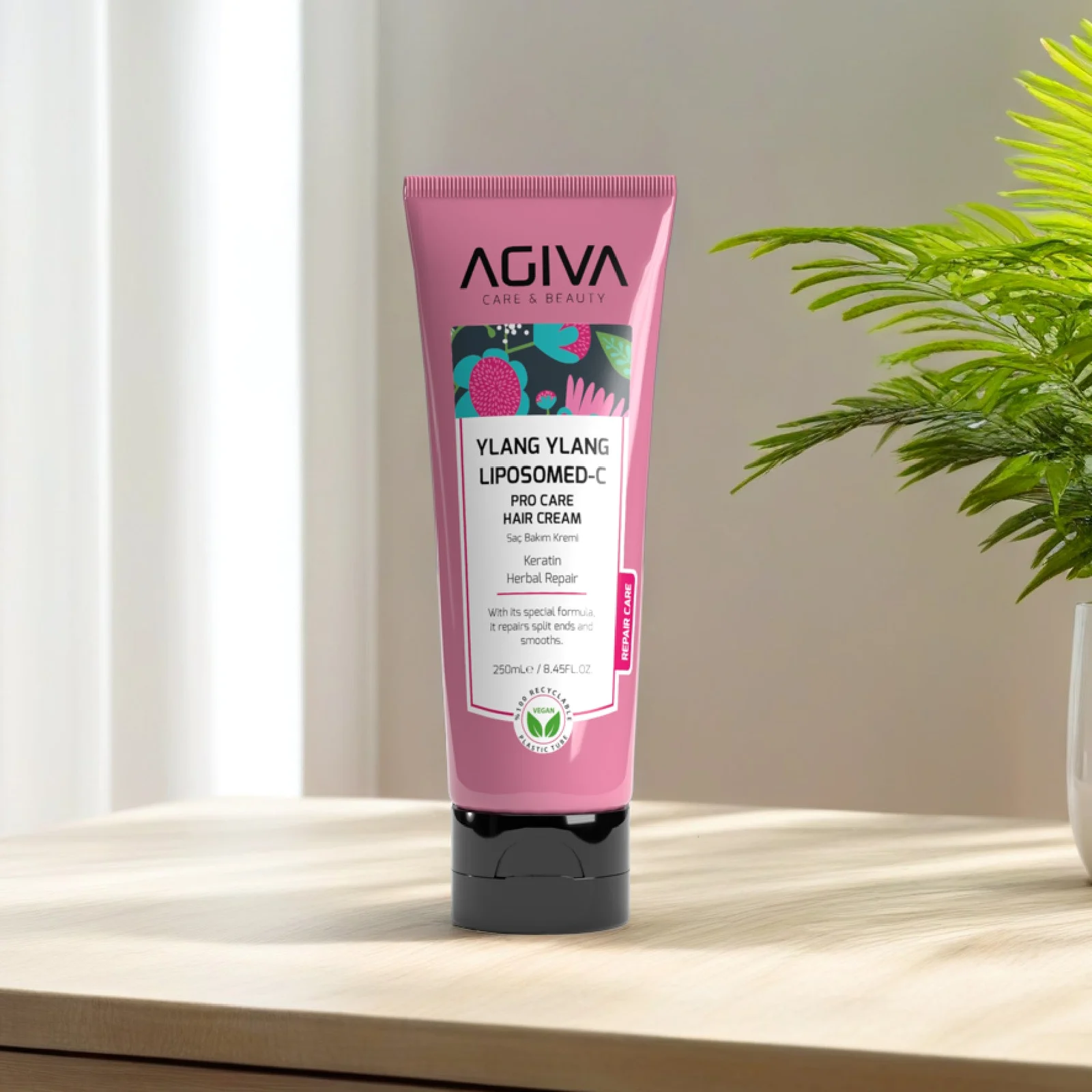
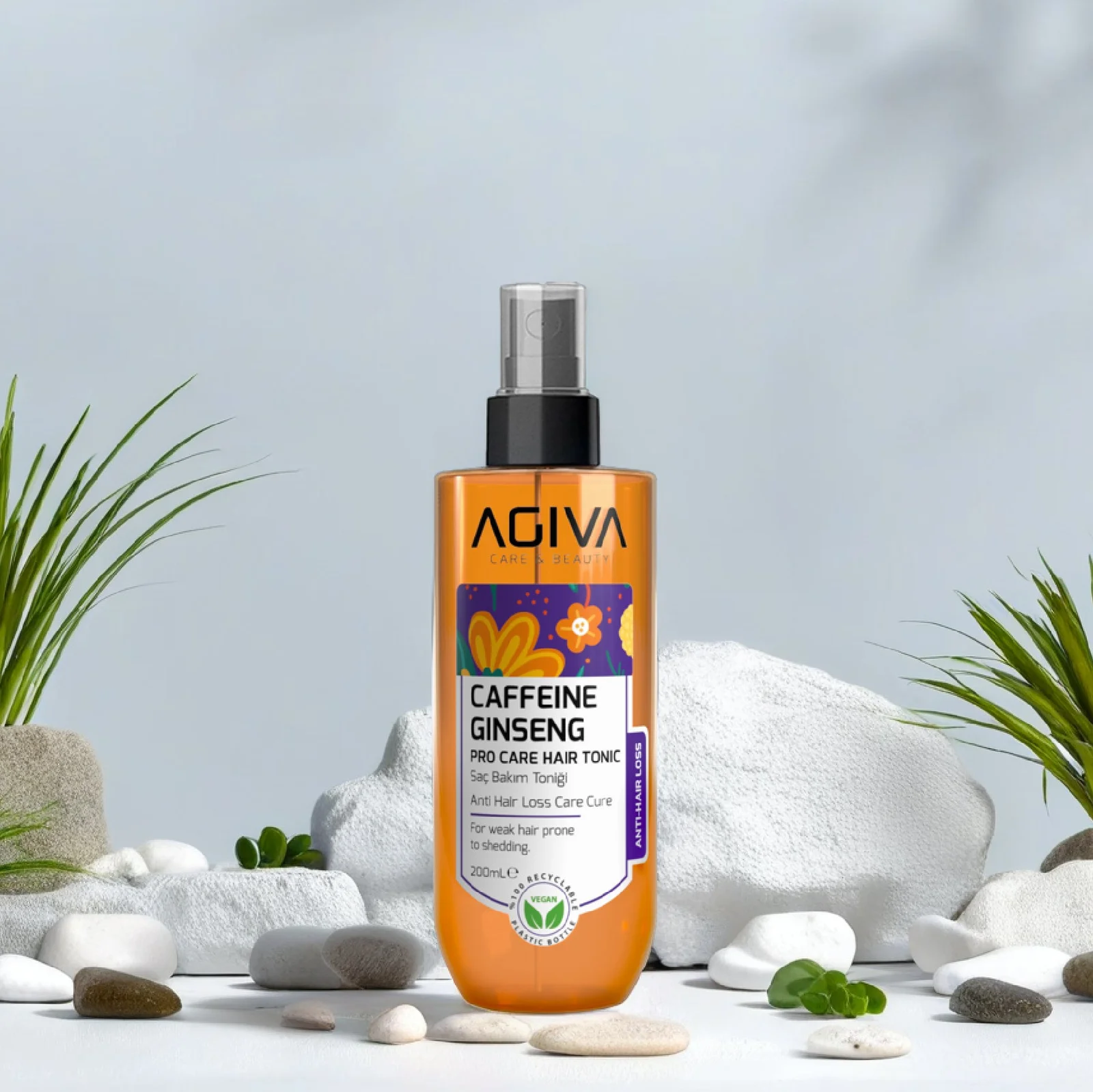
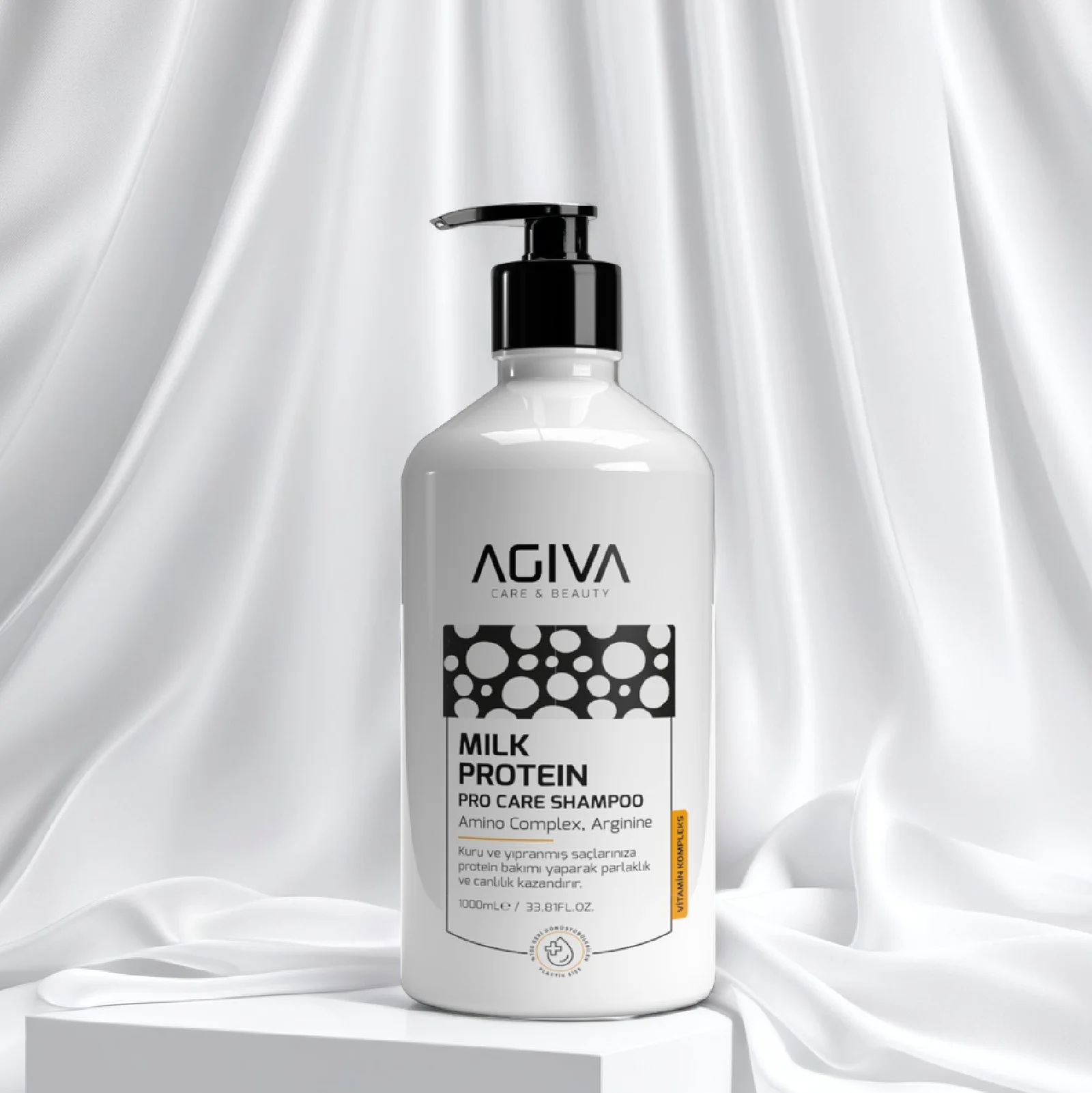
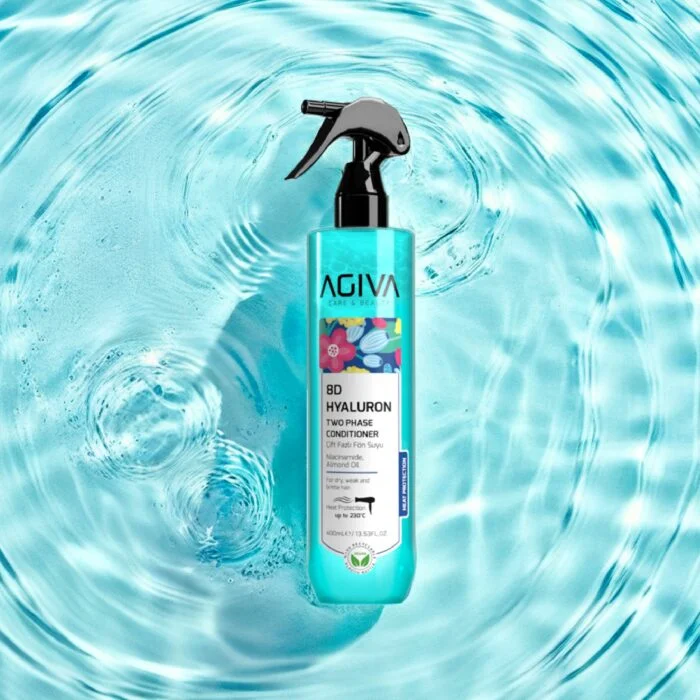
If you’re exploring real product options that align with the above concerns, here are some useful choices:
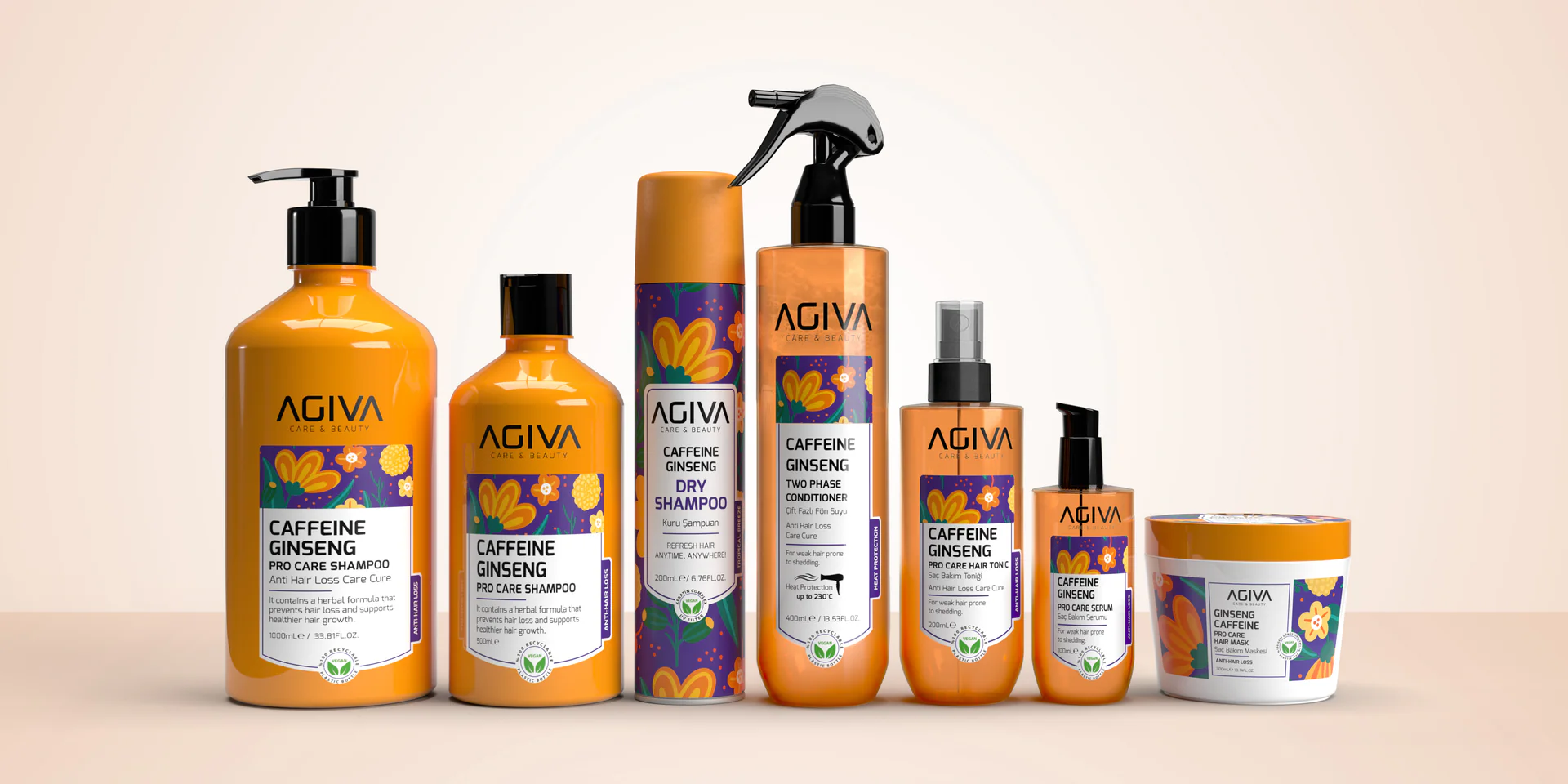
- Agiva Caffeine Ginseng Pro Care Shampoo 500ml
A shampoo designed with caffeine and ginseng-inspired formulation for scalp refreshment and hair strengthening support. - Agiva Caffeine Ginseng Dry Shampoo
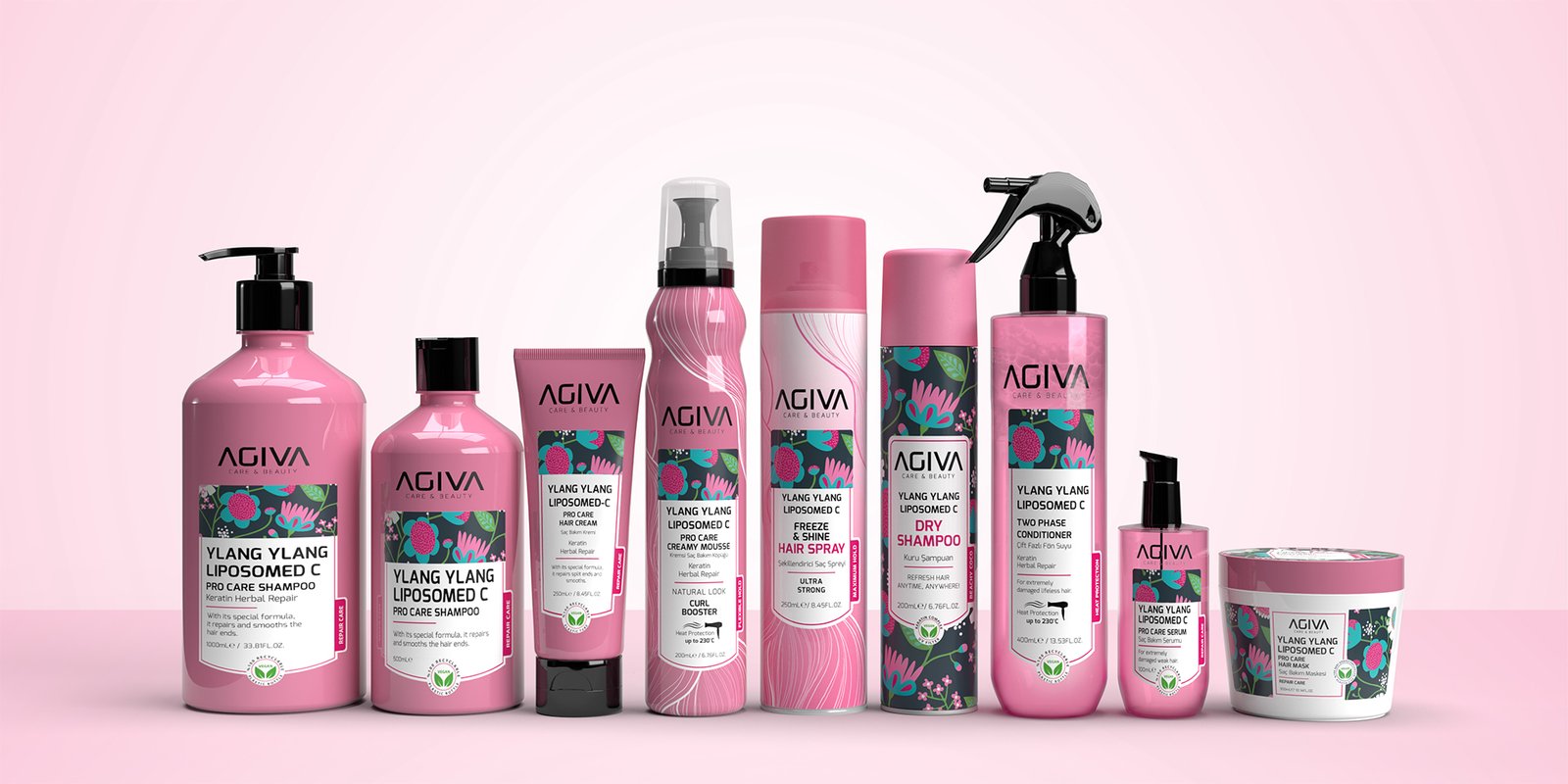
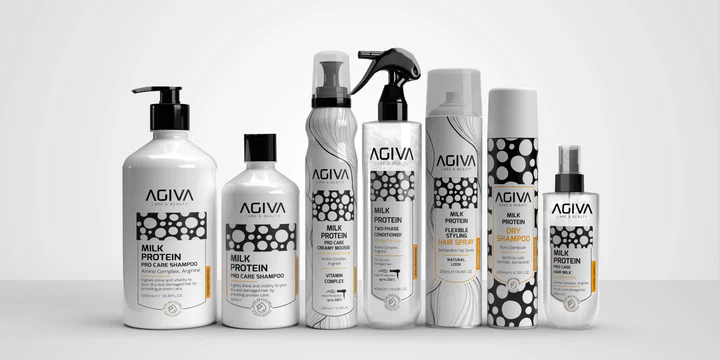
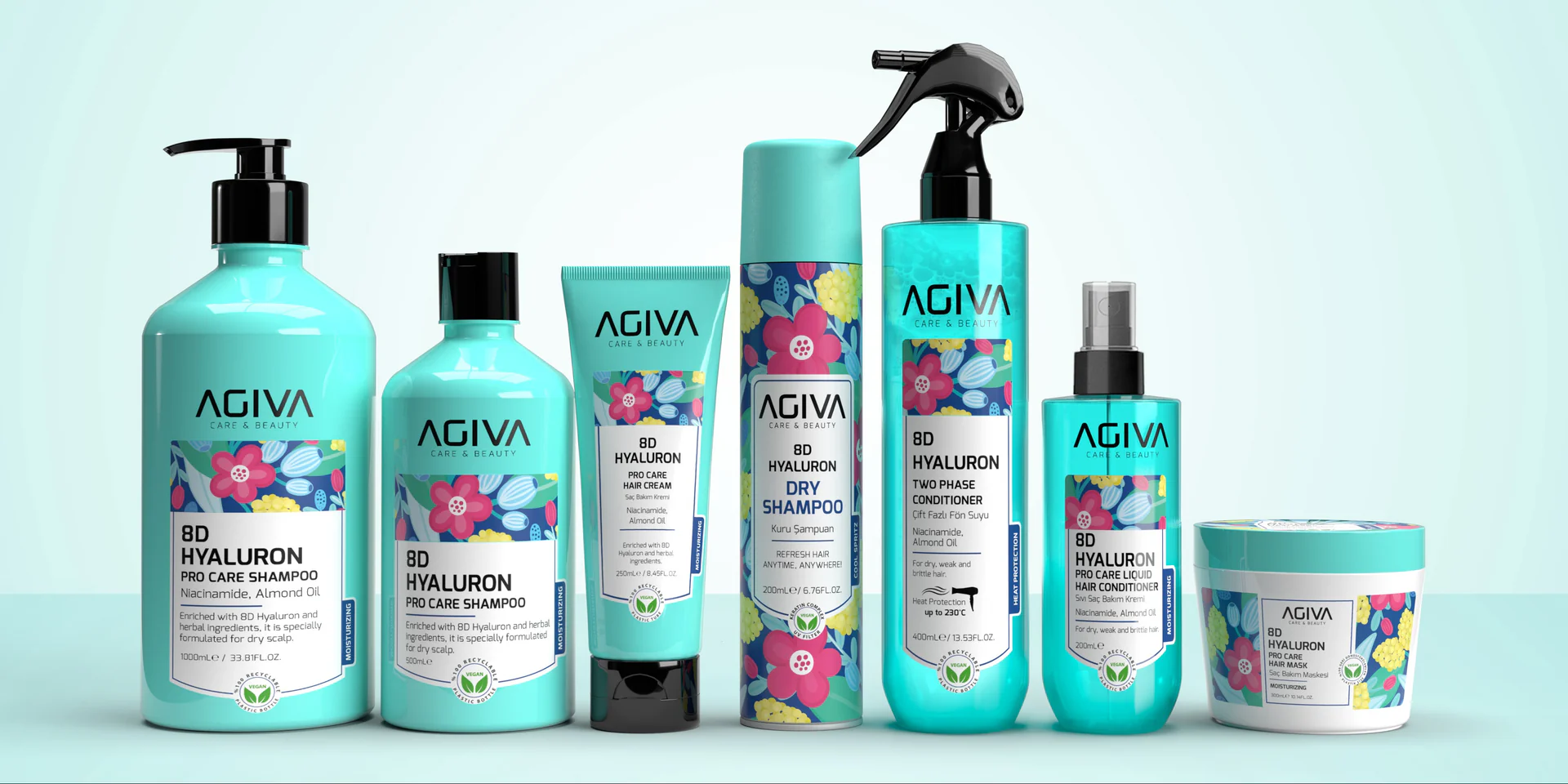
Useful for quick oil control and maintaining hair freshness between washes. - Agiva Beauty Product Collection
Explore more hair care solutions for different scalp and hair needs.
How to Choose the Right Shampoo for Your Hair Type
Choosing shampoo is not about trends—it’s about matching your hair condition.
Here’s a simple logic:
- Hair fall → strengthening shampoo
- Breakage → repair + hydration shampoo
- Thinning → volume + scalp care shampoo
- Weak roots → follicle-support shampoo
Also, avoid switching shampoos too frequently. Hair needs time to adjust, just like your morning brain before coffee.
What Science Generally Says About Hair Care
According to dermatology guidance (including insights from organizations like the American Academy of Dermatology), most hair loss cases are influenced by internal factors such as genetics, stress, and health conditions.
Shampoos mainly:
- Clean the scalp
- Support healthy hair environment
- Reduce breakage
So, the realistic expectation is improvement—not instant transformation.
Final Thoughts
Hair care doesn’t need to feel complicated or overwhelming. Once you understand your hair type and problem area, choosing the right shampoo becomes much easier.
Whether you need a shampoo for hair fall and thinning hair, or a shampoo for hair strengthening and repair, the goal is simple: support your scalp and protect the hair you already have.
And remember—your hair is not a broken machine. It just needs consistent care, patience, and the right routine. Think of it like a long-term investment… but one that doesn’t ask for stock market stress.
If you stay consistent, your hair usually responds better than expected.