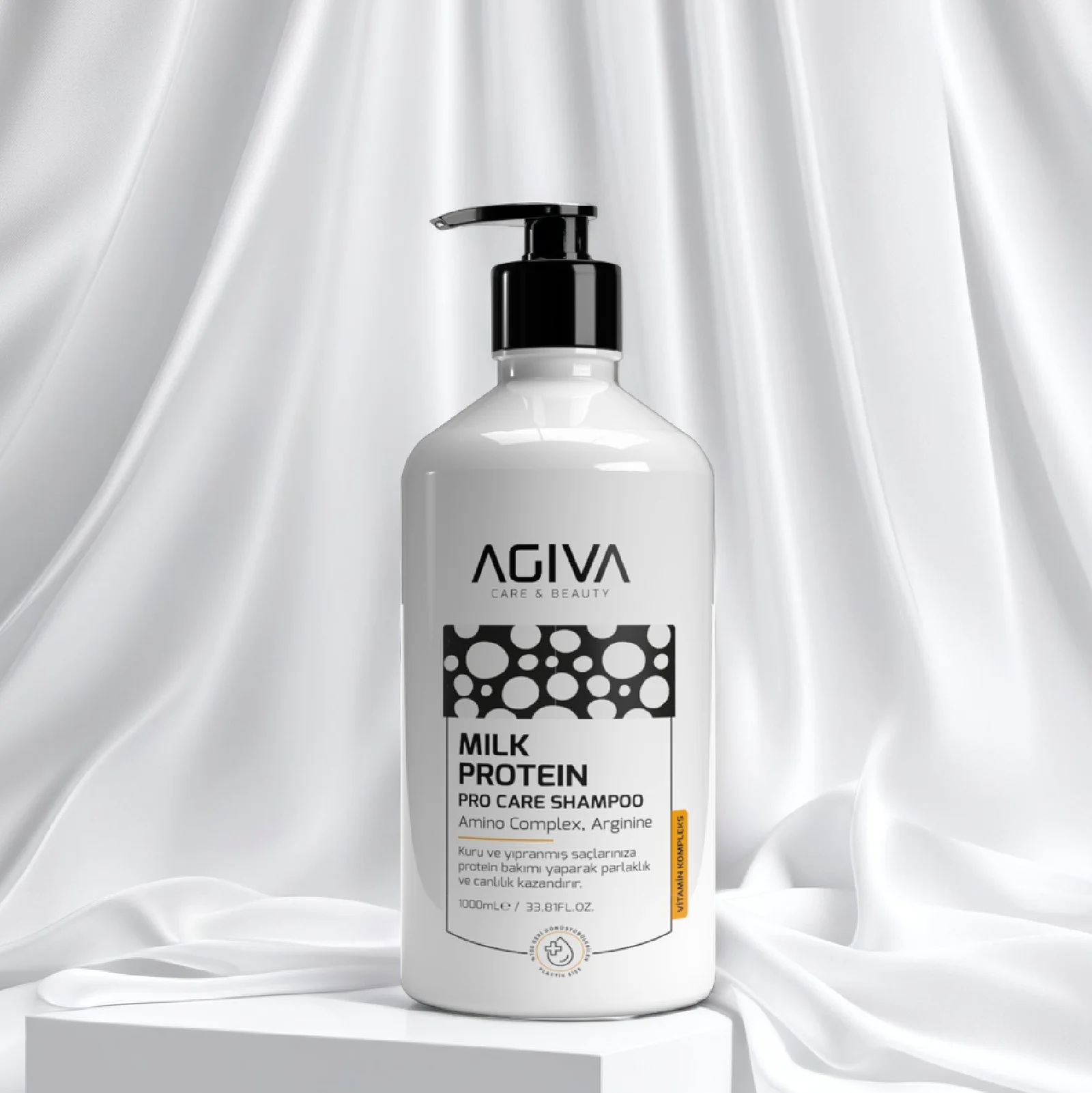

Let’s be honest — most of us have stood in the shampoo aisle, overwhelmed by a wall of bottles promising salon-quality results. Spoiler: most of them are just fancy-smelling water. Milk protein shampoos, though, actually have science behind them.
If your hair is dry, damaged, frizzy, or chemically treated, this is for you. We’re breaking down how milk protein works, what amino complex shampoo benefits actually mean in practice, and how to choose the best milk protein shampoo for dry hair without wasting money on formulas that look good on paper but do nothing on your head.
What Is Milk Protein and Why Does It Matter?
Milk protein comes from casein and whey — the same proteins found in dairy milk. Both are loaded with essential amino acids, which happen to be the exact building blocks your hair is made of.
Your hair shaft is built from a protein called keratin. When that structure breaks down — through heat styling, chemical treatments, or plain daily wear — you start seeing frizz, breakage, and that dull, lifeless texture nobody wants.
Milk proteins are small enough to actually penetrate the hair shaft rather than just sit on top of it. Research published in the International Journal of Cosmetic Science has shown that hydrolyzed proteins — including those derived from milk — can bond to damaged areas of the hair fiber, temporarily reinforcing the strand from within. That’s the real mechanism behind why the best milk protein shampoo for dry hair actually delivers results instead of just smelling nice.
Amino Complex Shampoo Benefits, Explained
You’ve probably spotted “amino complex” on a shampoo label and wondered what it’s actually doing.
Amino acids are the molecular units that make up proteins. When milk protein is hydrolyzed — broken down into smaller fragments — it releases these amino acids, which slip into the hair cuticle far more easily than a whole, intact protein molecule.
Here’s what a quality amino complex shampoo does in practice:
- Strengthens the hair fiber. Amino acids like cysteine help rebuild the disulfide bonds in keratin — the exact bonds that relaxers and bleach break apart.
- Improves moisture retention. Amino acids such as serine and threonine act as natural humectants, pulling water into the hair shaft and holding it there.
- Reduces frizz. A smooth, hydrated cuticle naturally lies flatter. A genuinely hydrating shampoo for damaged hair calms frizz by fixing the cuticle, not by coating it in silicones.
- Boosts elasticity. Healthy hair stretches slightly before it snaps. Amino-treated hair shows measurably better elasticity, which means less breakage during brushing and styling.
Can Milk Protein Help Hair Growth?
This is where people get a little confused, so let’s untangle it.
Milk protein doesn’t stimulate hair follicles the way something like minoxidil does. But hair growth and hair health are tightly linked — if hair keeps snapping off at mid-length, it will never look like it’s growing, even with a perfectly healthy scalp.
Milk protein supports growth indirectly by:
- Reducing breakage, so length is actually retained
- Strengthening the shaft, so strands survive longer before snapping
- Keeping the scalp clean and hydrated, which supports healthy follicle activity
Some amino acids — arginine in particular — have also been associated with improved scalp circulation in topical formulations. Better circulation means better nutrient delivery to the follicle. It’s not dramatic, but it’s a real, measurable effect.
What to Look for in a Shampoo for Weak, Damaged Hair
Not every protein shampoo is formulated the same way. Here’s what to actually check on the label:
- Hydrolyzed milk protein near the top of the ingredients list. If it’s buried near the bottom, there’s barely enough in the formula to matter.
- No harsh sulfates. Sodium lauryl sulfate (SLS) is a strong detergent that strips natural oils and weakens hair that’s already compromised. Sodium laureth sulfate or sulfate-free alternatives are gentler choices.
- Humectants. Glycerin, panthenol (vitamin B5), and aloe vera help pull in and hold moisture — essential alongside protein, not instead of it.
- Minimal heavy silicones. Silicones create the illusion of smoothness but can eventually block protein from doing its actual job.
Best Milk Protein Shampoo for Frizzy Hair: The Protein-Moisture Balance
Here’s something most people miss: frizz isn’t always a moisture problem. Sometimes it’s a protein deficiency.
If your hair feels mushy, stretches too much when wet, or won’t hold a style, you likely need protein — not another deep conditioner. This is called hygral fatigue, and it happens when hair absorbs more moisture than its structure can support.
The best milk protein shampoo for frizzy hair addresses both sides of the equation. Milk protein provides structural reinforcement, humectants provide hydration, and together they smooth the cuticle and cut down on flyaways.
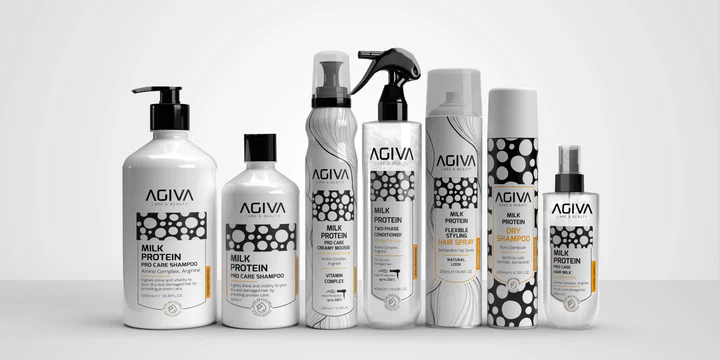
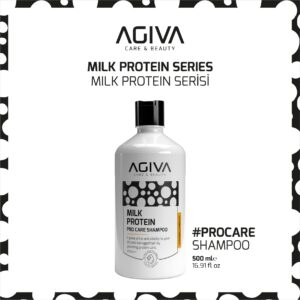
A practical tip: if you’ve been deep-conditioning weekly and your frizz is getting worse instead of better, pull back on moisture treatments and switch to a protein-rich shampoo for two to three weeks. It’s a small change, but many people see a noticeable difference. For a closer look at protein-forward, salon-grade formulas, Agiva Beauty is worth exploring for their moisture-and-repair focused lines.
Shampoo for Chemically Treated Hair: Why Protein Isn’t Optional
Chemical treatments — bleaching, coloring, perming, relaxing — all work by breaking or rearranging the protein bonds in hair. The results look great in the mirror, but the aftermath isn’t pretty at a structural level.
Bleached hair, for instance, ends up with a permanently raised cuticle and significantly depleted protein content. Research in the Journal of Cosmetic Dermatology has found that bleaching can reduce hair’s cystine content by up to 56%, fundamentally weakening its structure.
A shampoo for chemically treated hair needs to do two things at once: stay gentle enough not to strip more color or cause further damage, and deliver enough protein to start rebuilding what the chemicals removed. Milk protein checks both boxes — it’s gentle enough not to overwhelm fine or medium hair, unlike some heavy keratin treatments that can leave hair stiff and brittle when overused.
A Full Routine for Genuinely Damaged Hair
A great shampoo is only part of the story. For hair that’s genuinely damaged, this routine works:
- Shampoo with a milk protein formula. Focus on the scalp and let the lather run down the length during rinsing instead of scrubbing the ends directly.
- Follow with a matching conditioner. Protein and moisture work as a team — the conditioner seals the cuticle and locks in what the shampoo delivered.
- Add a weekly protein treatment. For chemically treated or severely damaged hair, a hydrolyzed protein mask once a week, left on for 5–10 minutes, makes a real difference.
- Limit heat. Even the best protein-rich shampoo can’t keep up with daily flat-ironing at 230°C. A heat protectant and a lower temperature go a long way.
- Trim regularly. Protein can temporarily smooth split ends, but it can’t reverse them. Regular trims stop damage from traveling further up the shaft.
Red Flags: When Protein Is Doing More Harm Than Good
Too much protein can backfire. Protein overload leaves hair feeling dry, straw-like, and even more prone to breaking — the exact opposite of the goal.
Signs you’re overdoing it:
- Hair feels hard or crunchy even right after conditioning
- Hair snaps immediately when stretched, instead of stretching slightly first
- Scalp feels unusually dry and tight
If any of this sounds familiar, pause protein treatments for two to three weeks, switch to moisture-only products, and reintroduce protein gradually afterward.
Final Thoughts
Milk protein shampoo isn’t a miracle product, but it’s one of the more scientifically grounded options for anyone dealing with dry, damaged, frizzy, or chemically treated hair.
Consistency is what actually moves the needle — one wash won’t transform your hair. But with regular use of a quality amino complex shampoo, paired with smarter styling habits and a little patience, most people notice real improvement within four to six weeks.
Your hair is made of protein. It makes sense to feed it what it’s made of.
Frequently Asked Questions
Is milk protein shampoo good for dry hair?
Yes. Milk protein contains hydrolyzed amino acids that penetrate the hair shaft and reinforce damaged areas from within. Combined with humectants like glycerin, it helps dry hair retain moisture rather than just coating the surface, making it one of the more effective options for genuinely dry or brittle strands.
What does milk protein do for hair?
Milk protein strengthens the hair shaft by rebuilding broken bonds in keratin, the structural protein hair is made of. It also improves elasticity and reduces breakage. Because the amino acids are small enough to penetrate the cuticle, the effect goes beyond surface-level smoothing.
Can I use milk protein shampoo every day?
No, daily use isn’t recommended. Overusing protein-rich shampoo can lead to protein overload, leaving hair stiff, dry, and more prone to snapping. Most hair types respond best to protein treatments 1–2 times per week, alternated with moisture-focused products.
How do I know if my hair needs protein or moisture?
Stretch a strand of wet hair gently. If it stretches too far and feels mushy before snapping, it likely needs protein. If it feels dry, stiff, and breaks with little stretch, it needs moisture. Most damaged hair actually needs a balance of both.
Does milk protein shampoo help with hair growth?
Not directly — it doesn’t stimulate the follicle the way growth treatments do. But by reducing breakage and strengthening strands, it helps hair retain length, which makes growth more visible over time. Some amino acids may also support scalp circulation.
How long does it take to see results from a protein shampoo?
Most people notice visible improvement in texture and reduced breakage within 4–6 weeks of consistent use. One wash won’t transform hair — results build gradually as the amino acids reinforce the hair shaft over repeated applications.
Is milk protein shampoo safe for color-treated hair?
Yes, and it’s often beneficial. Coloring and bleaching deplete hair’s natural protein content, so a gentle protein shampoo helps rebuild what chemical treatments remove. Look for sulfate-free formulas specifically, since sulfates can strip color faster.
What’s the difference between milk protein and keratin shampoo?
Milk protein is a lighter, hydrolyzed protein that’s gentler on fine or medium hair. Keratin treatments are more intensive and can make hair stiff or brittle if overused. Milk protein is generally the safer everyday choice, while keratin suits more severely damaged hair in smaller doses.