

Let’s be honest. Most of us have spent too much time in the shampoo aisle, reading labels that promise the same miraculous change. Silky smooth! Frizz-free! Salon results at home Yet, somehow, your hair still feels dry after a blowout.
So what’s going on?
Not all shampoos are the same. Choosing the wrong one for your hair type can make damaged hair significantly worse. This guide cuts through the noise and helps you find what really works.
Why Damaged Hair Needs a Different Kind of Shampoo
Hair damage doesn’t happen overnight. Heat styling, chemical treatments, sun exposure, and even hard water gradually strip away the outer layer of the hair shaft, called the cuticle. When that protective layer is compromised, moisture escapes easily, causing the hair to become dry, brittle, and more likely to break.
Research published in the International Journal of Trichology shows that repeated chemical and heat damage significantly weakens hair fibers. In simple terms, your hair gets weaker, thinner, and harder to manage.
That’s why the best shampoo for damaged hair is not just about cleaning. It’s also about repairing and protecting while it cleans.
What to Look for in a Shampoo for Dry and Brittle Hair
Before you pick a shampoo off the shelf, check the ingredient list. The right formula makes a big difference.
Hydrating and film-forming agents like hyaluronic acid, glycerin, and panthenol help retain moisture inside the hair. These ingredients are essential in any good hydrating shampoo for frizzy hair.
Proteins — especially hydrolyzed keratin, silk proteins, and wheat proteins — help fill in gaps along a damaged cuticle. This gives your strands a smoother and stronger feel after washing.
Natural oils like argan oil, coconut oil, and marula oil act as emollients. They coat the hair shaft to reduce friction, helping to fight frizz and breakage.
You want to avoid sulfates like Sodium Lauryl Sulfate (SLS) in high concentrations. They clean aggressively, which is great for oily hair but terrible for dry strands. For dry or chemically treated hair, choose sulfate-free or low-sulfate formulas. The American Academy of Dermatology recommends gentler cleansers for color-treated and chemically processed hair for this reason.
Daily Use vs. Deep Treatment — Knowing the Difference
Many people think they need thick shampoos every day to fix their hair. That’s not true.
For daily use of hydrating shampoo, look for something lightweight but still moisturizing. It shouldn’t strip natural oils in the morning or weigh your hair down by afternoon. Check for labels like moisture balance or everyday hydration — these usually contain mild surfactants like Cocamidopropyl Betaine instead of harsh sulfates.
For deeper repair sessions, about two to three times a week, a deep nourishing shampoo for hair with higher concentrations of proteins and oils is a better choice. These shampoos are richer in texture and need a bit longer to work effectively. Think of it as the difference between a quick shower and a long bath — both clean, but one does more to restore.
The Case for Professional Salon Shampoos
Here’s something most people overlook: concentration matters.
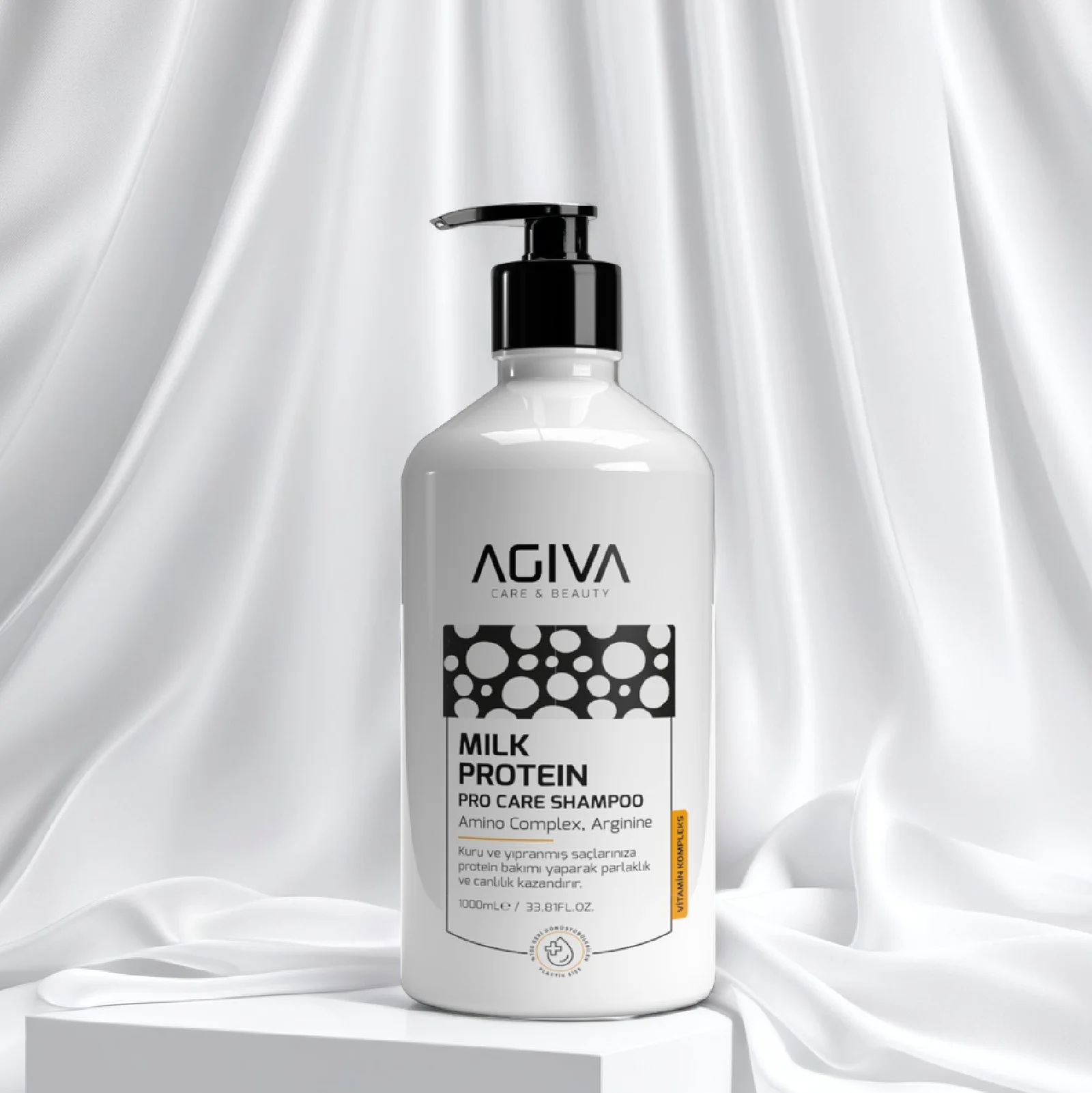
A professional salon shampoo 1000ml isn’t just a larger bottle. Professional formulas are often more concentrated, containing higher percentages of active ingredients compared to drugstore options. Salon brands typically invest in research-backed ingredient ratios and avoid cheap fillers that dilute effectiveness.
That doesn’t mean you need to spend a fortune. But if you’ve been using budget shampoos and have seen no improvement, it might be time to try a professional-grade formula. Many salons now sell directly to consumers, and brands like Wella, Redken, and Kérastase offer salon-quality lines with proven ingredients.
The larger 1000ml size is also practical. It reduces packaging waste, costs less per use, and is ideal if you wash your hair daily or have thick, long hair.
Anti-Frizz Moisturizing Shampoo — What Anti-Frizz Actually Means
Frizz results from moisture imbalance. When the air is humid, dry hair absorbs moisture unevenly, causing the cuticle to swell and create that fluffy texture.
A good anti-frizz moisturizing shampoo keeps hair hydrated internally, so it doesn’t pull moisture from the air. It also smooths the cuticle, reducing the surface area for humidity to enter.
Look for ingredients like dimethicone (a lightweight silicone that seals the cuticle), amino acids, and hydrolyzed silk. These make the difference between a shampoo that just claims to fight frizz and one that actually works.
Hair Strengthening Shampoo — Building Resilience from the Root
Strength and moisture are two different issues, requiring two different solutions.
A hair strengthening shampoo focuses on rebuilding the hair’s internal structure. This usually means proteins. Keratin, biotin, and cysteine amino acids are some of the most studied for their role in hair strength. A 2019 review in the Journal of Cosmetic Dermatology found that hydrolyzed keratin in topical products can improve hair elasticity and reduce breakage when used consistently.
Look for shampoos that combine strength-building proteins with conditioning agents. Protein alone without moisture can make hair feel stiff and cause breakage. Balance is key here.
A Practical Guide to Choosing the Right Formula
Here’s a simple way to match your hair concern to the right type of shampoo
Hair Concern | What to Prioritize
Chemically treated / color-damaged | Sulfate-free, protein-rich formula
Dry, dull, lacking shine | Deep nourishing shampoo with oils and glycerin
Frizzy, humidity-affected | Anti-frizz formula with dimethicone or silk proteins
Weak, breaking easily | Hair strengthening shampoo with keratin
Daily use without buildup | Lightweight hydrating shampoo with gentle surfactants
Thick or long hair, frequent washing | Professional salon shampoo in 1000ml size
How to Actually Use Shampoo Correctly (Yes, There’s a Right Way)
Even the best shampoo won’t perform well if you use it incorrectly. A few simple habits can make a real difference:
Dilute the shampoo slightly before applying. This helps it spread more evenly and uses less product. Focus the shampoo on your scalp, not your ends. The ends are the oldest and most fragile part of your hair. Let the rinse water carry the shampoo through the ends instead of scrubbing them.
Leave it in for 60 to 90 seconds before rinsing, especially with nourishing or strengthening formulas. Most people rinse too quickly to benefit from the active ingredients.
Rinse with cool or lukewarm water. Hot water opens the cuticle further, leading to more moisture loss. This small change can noticeably reduce frizz.
Final Thoughts
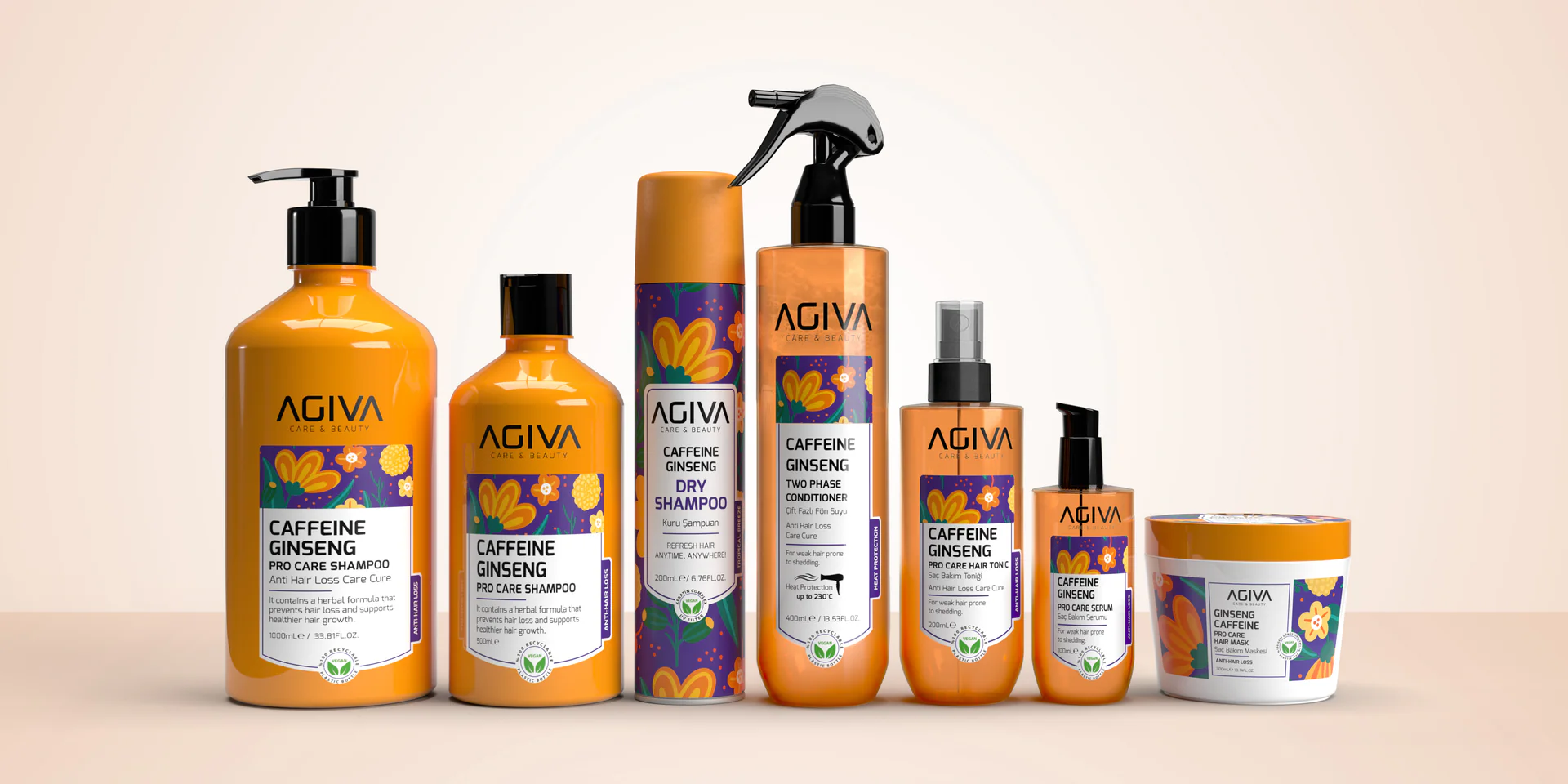
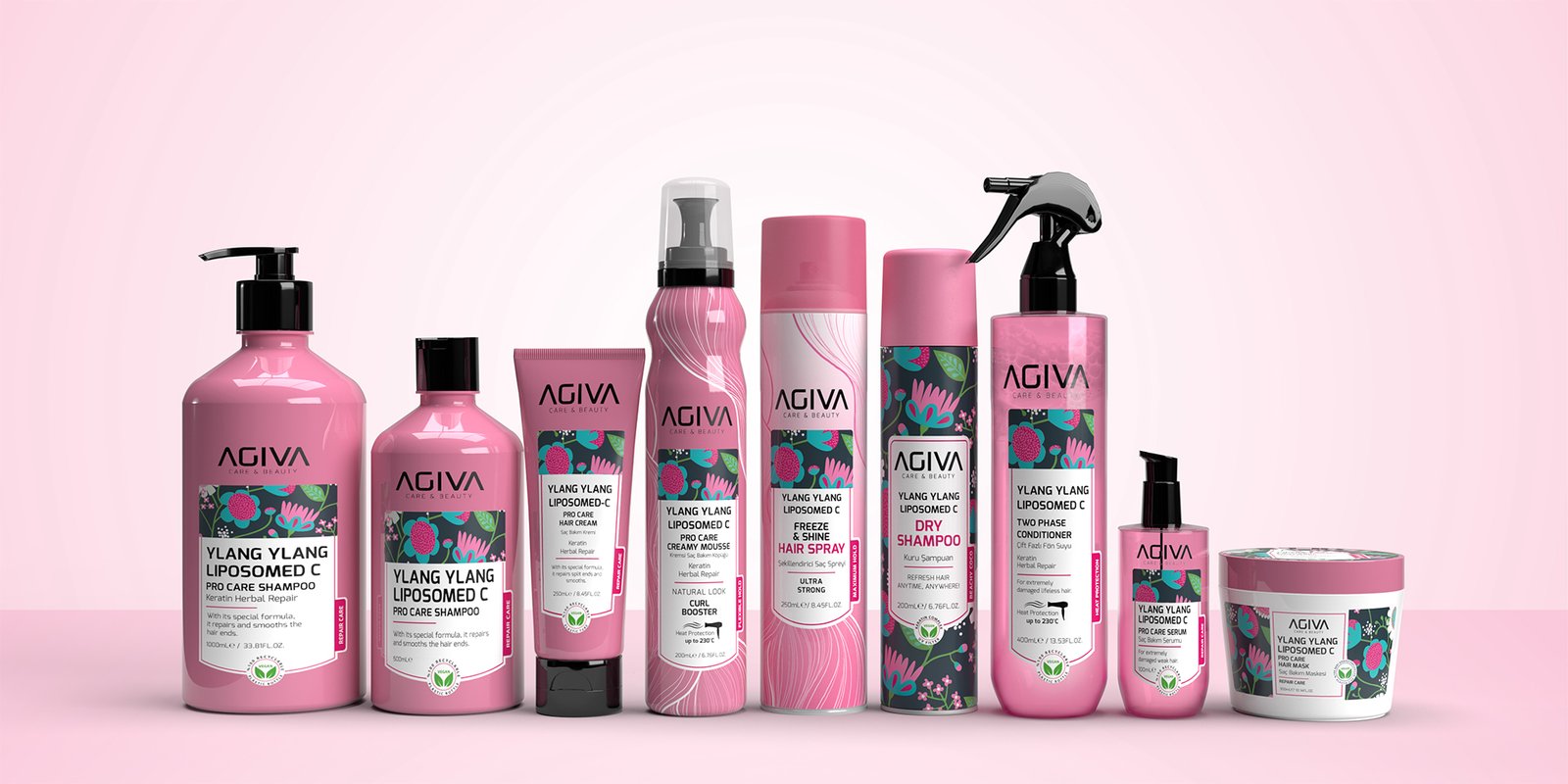
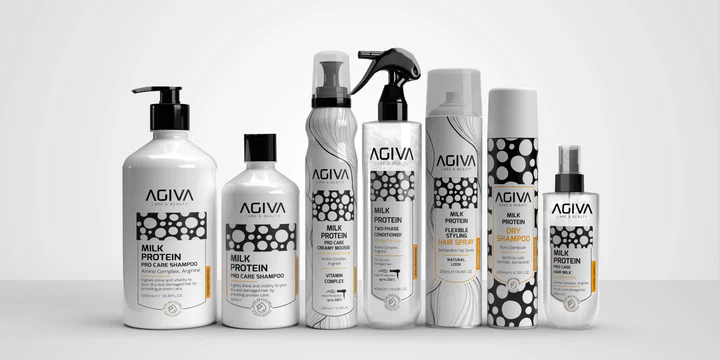
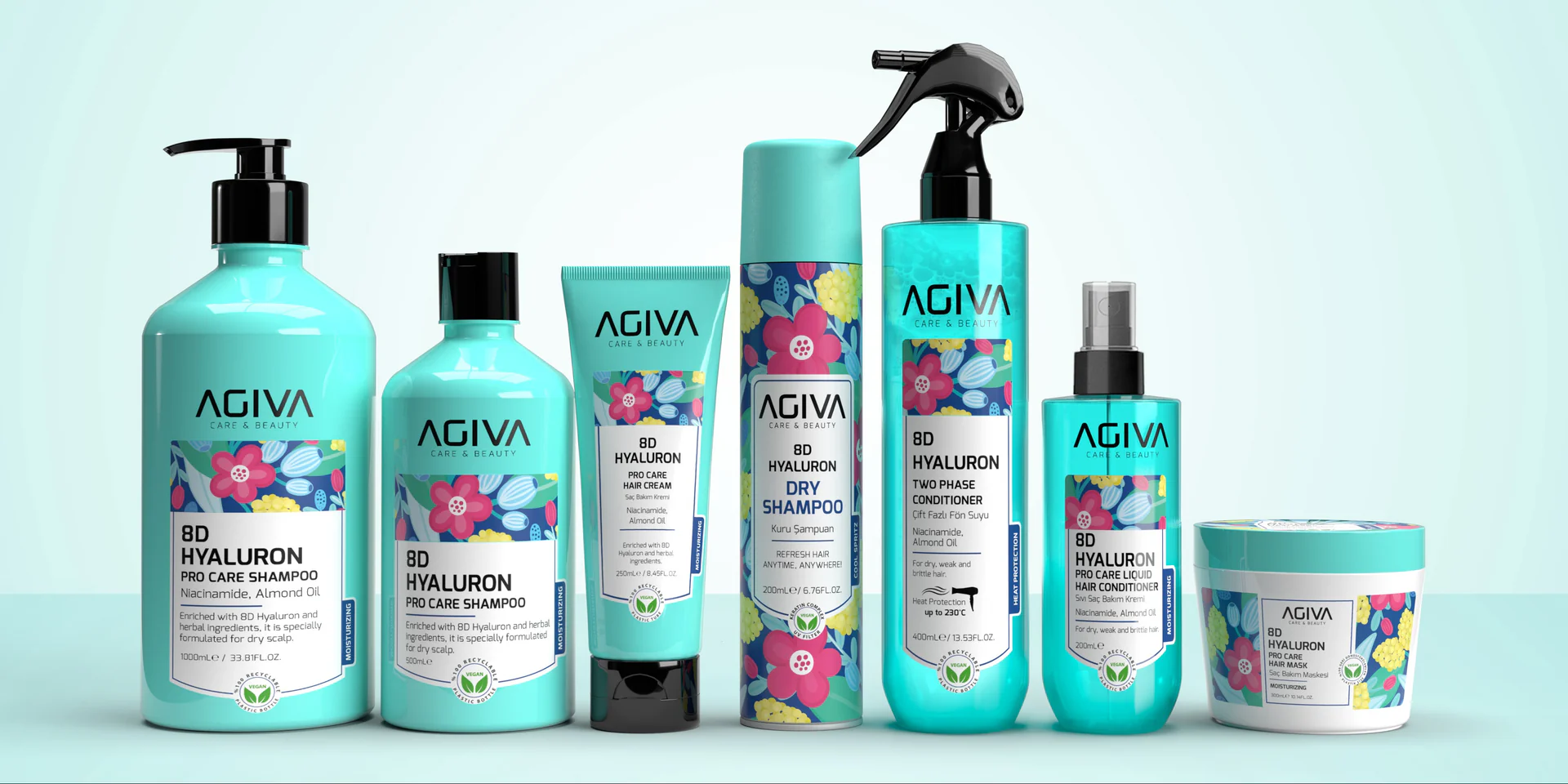
Finding the right shampoo for damaged hair isn’t about chasing the priciest label or the biggest promise. It’s about understanding what your hair needs — whether that’s moisture, protein, or a better daily routine — and choosing a formula that meets those specific needs with effective ingredients. Check our website for More detail Agiva Beauty
Whether you need a hydrating shampoo for frizzy hair, a daily formula that won’t strip your strands, or a professional 1000ml bottle that works harder with each wash, the right choice is out there. You just need to know what to look for.