
Standing in front of a shampoo shelf at your local Chase Up or scrolling through Daraz can feel like reading a chemistry exam. Keratin, biotin, argan oil — and now milk protein shampoo? Yes, milk protein. And no, it won’t leave your hair smelling like a dairy farm.
If your hair has been through the wringer — daily heat styling before weddings, dust from Lahore’s traffic, chlorinated or hard tap water, or Karachi’s humidity frizzing everything by noon — a good milk protein shampoo might be exactly what it needs. Here’s what the science actually says, what real benefits look like, and how to pick the right formula for Pakistani hair and weather.
What Is Milk Protein, and Why Does Your Hair Care?
Milk proteins — mainly casein and whey — are packed with essential amino acids. These amino acids are the same building blocks that make up keratin, the protein your hair strands are literally made of.
When hair is damaged, this protein structure breaks down. Cuticles lift, strands turn porous, and moisture escapes fast. That’s when you get frizz, breakage, and dullness that no amount of serum can hide — especially in Pakistan’s hot, dusty summers followed by dry winters.
Research published in the International Journal of Cosmetic Science found that hydrolyzed milk protein can penetrate the hair shaft and temporarily fill structural gaps, reinforcing each strand from the inside out. So when people talk about milk protein shampoo benefits, this is the foundation: real structural repair, not just a surface coating that washes away.
The Role of Amino Complex in Repairing Damaged Hair
If you’ve spotted “amino complex” on a shampoo bottle, here’s what it actually means. An amino complex is a blend of amino acids — like cysteine, arginine, and glutamine — that work together to rebuild weakened hair. Think of it as a construction crew instead of a single worker: more amino acids, more repair happening at once.
A 2020 study in the Journal of Cosmetic Dermatology found that regular use of amino acid-enriched hair products significantly reduced breakage and improved strand strength in chemically treated hair after just four weeks. That matters for anyone doing regular keratin treatments, hair coloring, or styling for shaadi season — all common in Pakistani beauty routines.
Is Milk Protein Shampoo the Best Shampoo for Dry Hair?
Short answer: it can be, depending on the formula — and this is especially relevant if you’re dealing with Pakistan’s harsh tap water, which tends to be mineral-heavy and drying.
The best shampoo for dry hair needs to do two things: add moisture and lock it in. Milk protein does both. It attracts water molecules to the hair shaft and forms a light film that slows moisture loss.
Here’s where people go wrong, though — they expect a protein shampoo to work like a conditioner. It won’t. Protein and moisture must work together. The best milk protein shampoo formulas pair hydrolyzed milk protein with humectants like glycerin, panthenol, or aloe vera. If your hair feels stiff after switching to one, that’s a sign you need to balance it with a moisturizing conditioner.
Milk Protein Shampoo for Hair Growth — What Does the Research Say?
This gets misunderstood often. A milk protein shampoo for hair growth won’t magically sprout new strands overnight. But here’s the nuance: it creates the conditions where visible growth actually shows.
When strands are weak and brittle, they break off at nearly the same rate they grow. Your length stays the same — not because growth stopped, but because breakage keeps catching up. Strengthening the shaft, which protein shampoos do, means less breakage and more retained length over time.
The American Academy of Dermatology notes that minimizing breakage and maintaining scalp health are key strategies for retaining hair length. So while milk protein shampoo doesn’t stimulate new follicles, it’s a legitimate part of any serious growth-focused routine — particularly useful for those recovering hair health after childbirth, illness, or heavy chemical treatments, which are common concerns among women in Pakistan.
Hair Strengthening Shampoo: Who Actually Needs It?
Almost everyone, honestly — but especially:
- People with fine or thin hair that snaps easily
- Anyone using heat tools above 150°C regularly (common before events and weddings)
- Those with color-treated, bleached, or henna-and-chemical mixed hair
- People with low dietary protein intake, since internal nutrition affects external hair health
A good hair strengthening shampoo deposits small protein molecules onto the hair surface and into the cortex. With consistent use, this rebuilds mechanical strength so hair resists breakage better. Two to three months of regular use is typically when people start noticing real change — patience matters more than the price tag on the bottle.
Deep Nourishing Shampoo: More Than Just Cleaning
Standard shampoos exist to clean, full stop. A deep nourishing shampoo goes further — it delivers active ingredients that feed the hair strand and scalp during the wash itself.
Milk protein-based formulas work well here because hydrolyzed proteins are small enough to be absorbed during normal shower contact time. You don’t need a 30-minute mask session. This is especially useful for people who skip conditioner, or those with thick, coarse hair — common among South Asian hair types — that doesn’t easily absorb lightweight products.
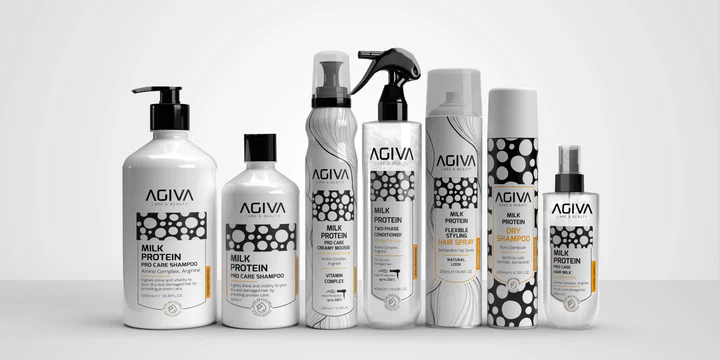
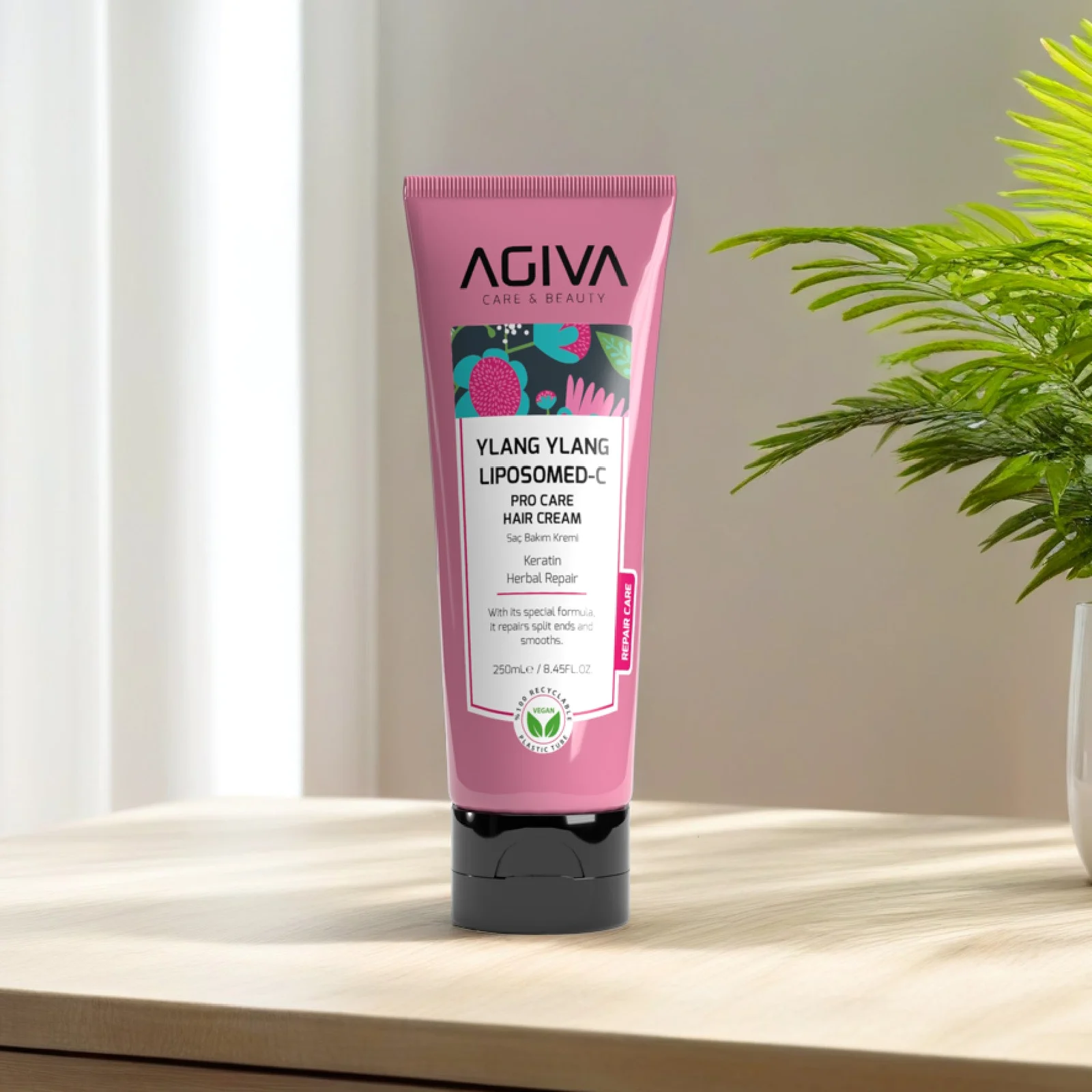
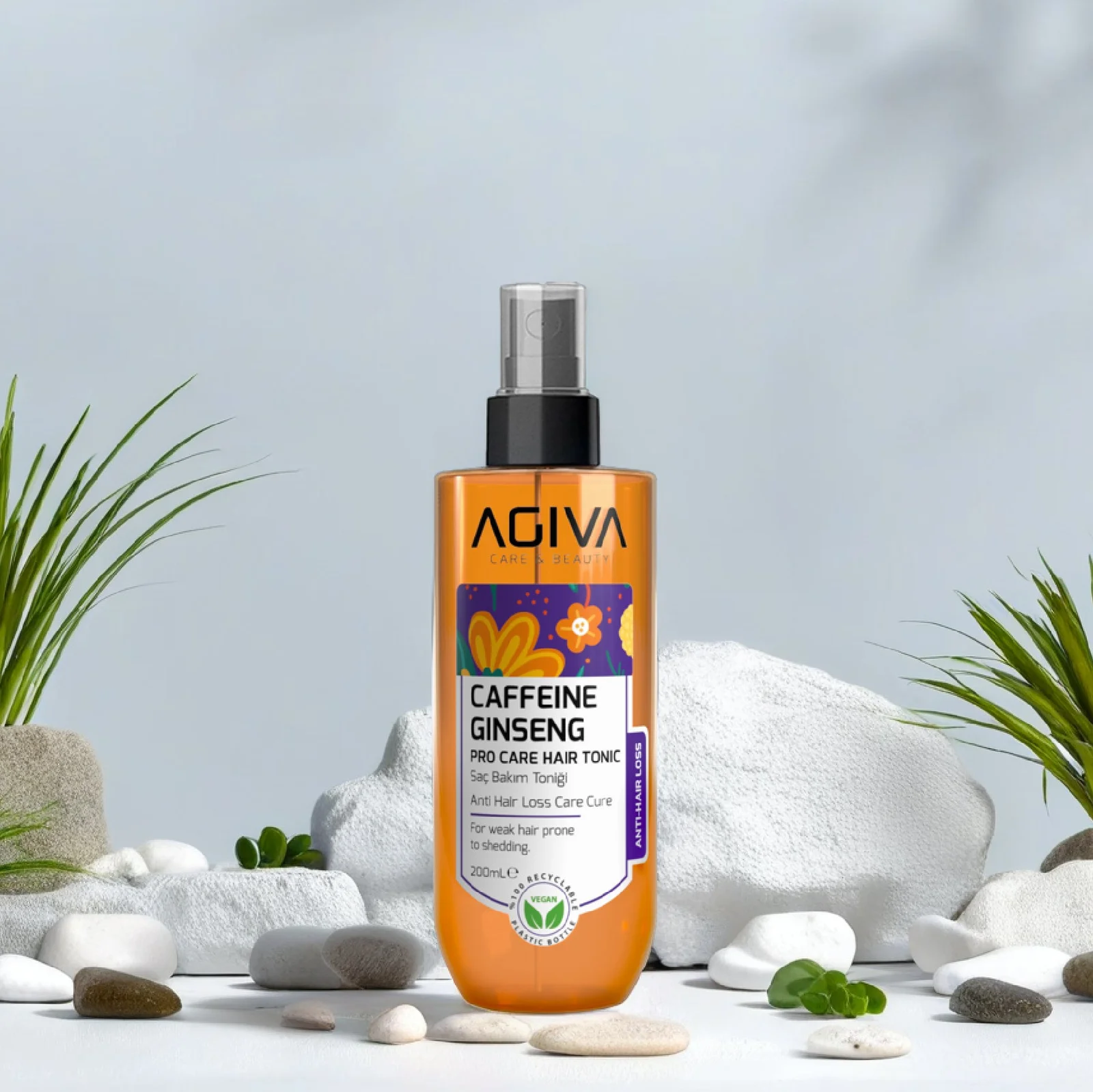
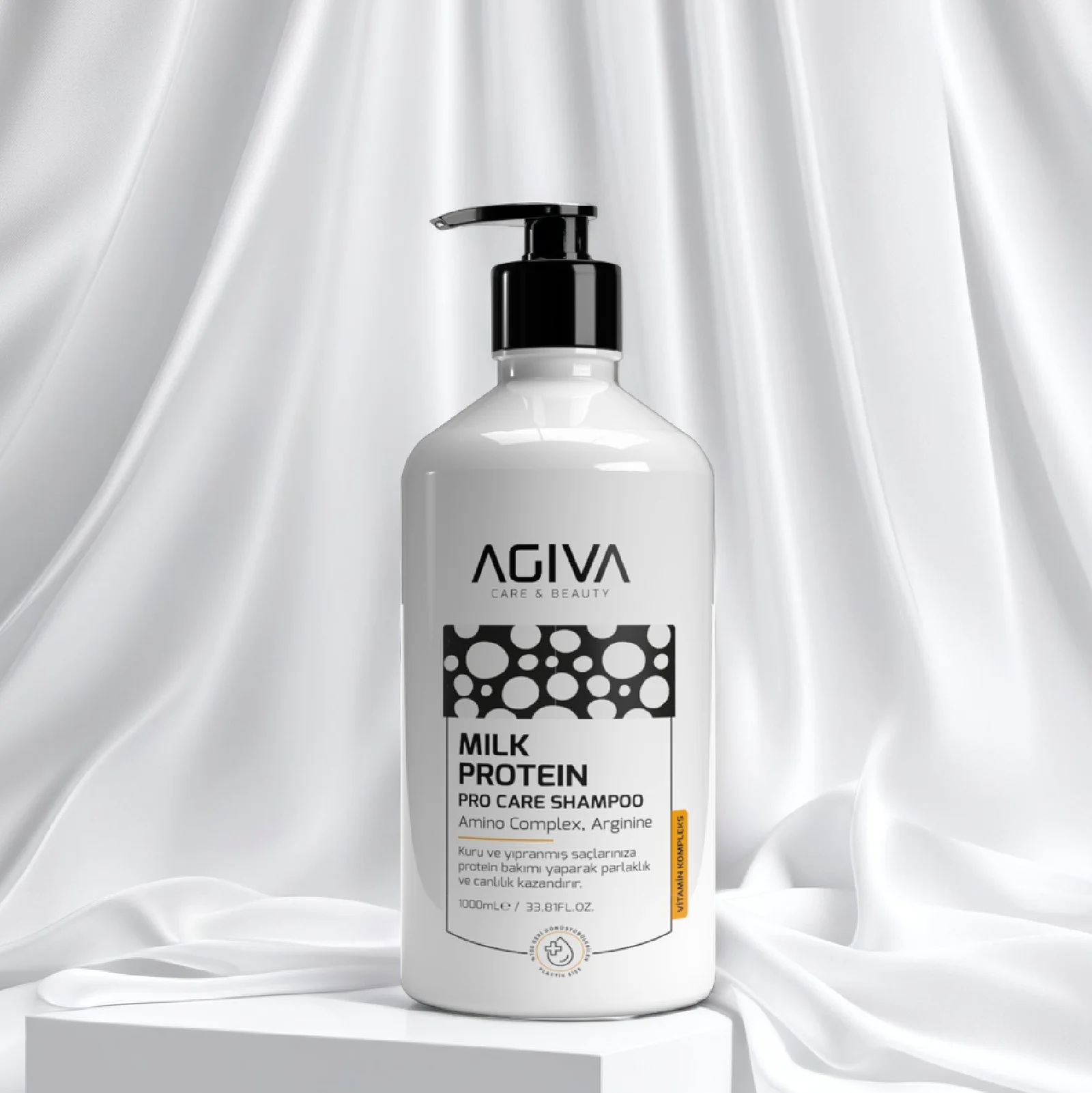
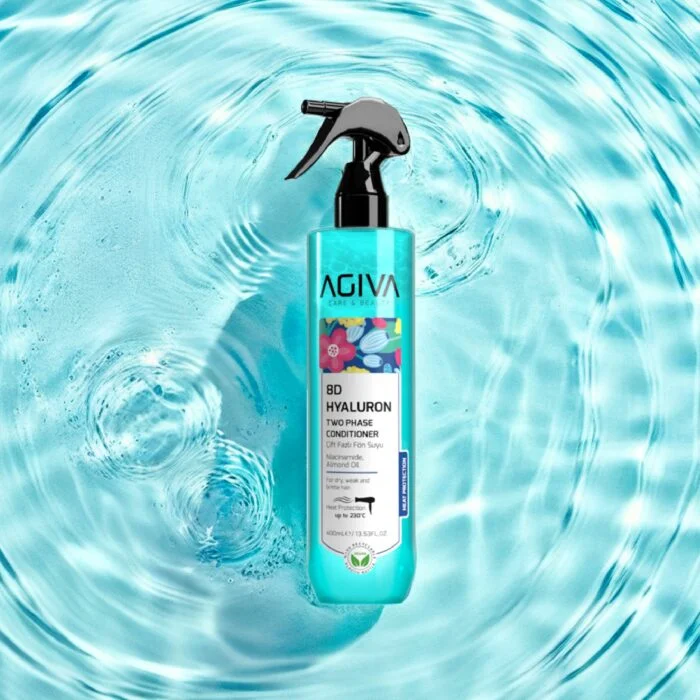
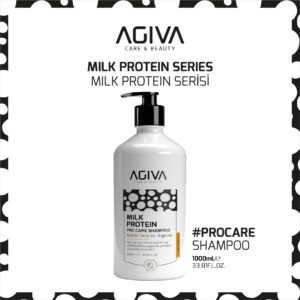
For a closer look at protein-enriched formulas built for damaged and dry hair, you can browse the range at Agiva Beauty Procare.
Shampoo for Weak and Brittle Hair: Getting the Formula Right
If you’re dealing with weak, brittle strands, look for a formula addressing both dryness and protein deficiency — because in Pakistan’s climate, both are usually happening at once. Check the label for:
- Hydrolyzed milk protein or hydrolyzed wheat protein — structural repair
- Panthenol (Vitamin B5) — penetrates the shaft, improves elasticity
- Glycerin — draws moisture into dry, porous strands
- Niacinamide — supports scalp health and circulation
Avoid formulas relying heavily on sodium lauryl sulfate as the primary cleanser, since it can strip away the very proteins you’re trying to deposit. Gentler surfactants like sodium laureth sulfate or cocamidopropyl betaine pair better with protein-rich formulas — and are more forgiving on scalps already stressed by heat and dust.
Moisturizing Shampoo for Daily Use — Is That Realistic in Pakistan’s Climate?
Daily washing used to have a bad reputation. That’s outdated thinking. Whether daily washing suits you depends on your scalp type and lifestyle, not a universal rule — and in Pakistan’s heat and humidity, many people naturally need to wash more often.
A moisturizing shampoo for daily use should be gentle, sulfate-free or low-sulfate, and enriched with both proteins and humectants. A well-formulated milk protein shampoo fits this profile — cleansing without stripping, while replenishing what daily washing removes. The American Academy of Dermatology notes washing frequency should match your scalp’s oil production; for some that’s daily, for others every two to three days.
Hair Repair Shampoo: Setting Realistic Expectations
Let’s be honest: no shampoo fully repairs chemically damaged hair. Once the internal bonds in your hair break from bleach or chemical relaxers, that damage is permanent until it grows out.
What a hair repair shampoo — including a good milk protein shampoo — can actually do:
- Temporarily fill surface gaps in the cuticle
- Reduce future damage with each wash
- Noticeably improve shine and manageability
- Strengthen new growth coming in from the root
Think of it less like a cure and more like physical therapy. It won’t undo the injury, but it makes hair work better day to day and prevents new damage from piling up.
Salon Quality Shampoo: What Makes It Different?
“Salon quality” gets thrown around loosely, but real differences exist between professional-grade and mass-market formulas. Salon quality shampoo typically uses higher concentrations of active ingredients — more hydrolyzed protein per wash, not just fancier packaging. Professional formulas are also more likely to be pH-balanced (between 4.5 and 5.5), which keeps the cuticle flat and reduces frizz naturally — a big deal in humid coastal cities like Karachi.
Salon quality doesn’t have to mean expensive, either. Several accessible, mid-priced options available across Pakistan use pharmaceutical-grade proteins with well-researched delivery systems. The signal to look for: brands that publish their full ingredient list without hiding behind vague “fragrance” or “proprietary blend” labels.
How to Get the Best Results From a Milk Protein Shampoo
- Leave it on for 2–3 minutes. Most people rinse immediately — letting it sit gives proteins time to bind to the hair shaft.
- Follow with a moisturizing conditioner. Protein without moisture leads to stiff, brittle hair.
- Use lukewarm water, not hot. Hot water aggressively opens the cuticle and rinses away what you just deposited — an easy mistake during Pakistan’s cold winters when hot showers feel tempting.
- Don’t expect overnight results. Hair grows about 1.25 cm per month; structural improvement takes time to show across full strand length.
- Check your diet too. The Harvard T.H. Chan School of Public Health notes that biotin, iron, zinc, and dietary protein all play roles in hair health. No shampoo compensates for a nutritionally poor diet.
Frequently Asked Questions
Is milk protein shampoo good for oily scalps?
Yes, as long as it’s formulated with lightweight humectants rather than heavy oils. Protein strengthens strands without necessarily adding heaviness at the roots.
Can milk protein shampoo be used with henna?
Generally yes. Just wait a few days after a fresh henna application before reintroducing protein-based products, so the henna can fully bond to the hair shaft.
How often should I use a milk protein shampoo?
Two to three times a week is a good starting point for most hair types; daily use is fine with a gentler, sulfate-free formula.
Final Thoughts
Milk protein shampoo isn’t a gimmick. The science behind amino acid-based hair care is well established, and when used consistently and correctly — especially with Pakistan’s climate and water quality in mind — it makes a real, measurable difference for damaged, dry, or brittle hair.
The key is picking a formula that matches your specific needs, understanding what it can and can’t do, and giving it enough time to actually work. Your hair took time to get damaged; give it time to recover.
Sources referenced: International Journal of Cosmetic Science, Journal of Cosmetic Dermatology, American Academy of Dermatology, Harvard T.H. Chan School of Public Health