

Typing “best hair growth serum in Pakistan” into a search bar feels like it should have a simple answer — a bottle you apply, a follicle you stimulate, done. The reality is messier, and it’s costing a lot of buyers money on the wrong product. Here’s the part almost nobody tells you upfront: a large share of what’s marketed as a “hair growth serum” is actually a finishing product for your lengths and ends, not a scalp treatment at all.
That distinction changes everything about what you should actually buy. This guide walks through exactly how to tell the difference, what the ingredients on the label really do, and how to put together a routine that genuinely supports growth — not just shinier-looking hair.
Table of Contents
- Best Hair Growth Serum in Pakistan: The One Thing Most Buyers Miss
- Hair Serum vs. Hair Tonic: Why This Distinction Decides Everything
- What Actually Makes an Ingredient “Growth-Supporting”?
- Caffeine and Ginseng: What the Research Actually Says
- How to Read a Hair Growth Product Label Like an Expert
- Comparing Your Real Options
- Building a Complete Hair Growth Routine
- Common Mistakes When Buying a “Growth” Serum
- Expert Tips Before You Buy
- FAQs
- Final Verdict
Best Hair Growth Serum in Pakistan: The One Thing Most Buyers Miss
Here’s the confusion in plain terms: “serum” is a texture description, not a promise about where a product goes on your body or what it’s meant to do. In hair care specifically, most products called a “hair serum” are designed to be applied to the mid-lengths and ends of your hair — smoothing frizz, adding shine, protecting against heat and humidity. They are explicitly not meant for the scalp.
A genuine growth-support product, by contrast, needs to reach the scalp and follicles to do anything meaningful, since that’s where hair growth actually originates. In most professional hair care lines, that product is called a tonic, not a serum — and checking which one you’re actually looking at, before you add it to your cart, is the single most important step in this entire buying decision.
Hair Serum vs. Hair Tonic: Why This Distinction Decides Everything
This is worth spelling out clearly, because the two are genuinely built to do different jobs:
- A hair serum is a lightweight, leave-in product applied to towel-dried or dry hair, focused on the mid-lengths and ends. Its job is to smooth the hair cuticle, control frizz, add shine, and protect against heat styling and humidity. Even serums containing caffeine or ginseng are typically formulated this way — the ingredients support the visible hair shaft, not the follicle.
- A hair tonic is applied directly to the scalp — sprayed on or massaged in with fingertips — and left in without rinsing. This is the format that actually allows active ingredients to reach hair follicles, where genuine growth support happens.
If a product’s own instructions say “apply to mid-lengths and ends, do not apply to scalp,” that’s your answer: it’s a finishing serum, not a growth treatment, regardless of what’s printed on the front label or which actives are listed on the ingredient panel.
What Actually Makes an Ingredient “Growth-Supporting”?
Two ingredients show up constantly in hair growth marketing: caffeine and ginseng. Both have a real, documented basis for scalp use — but only when they’re actually delivered to the scalp.
Caffeine is believed to penetrate the hair follicle and stimulate cell metabolism at the root, helping reactivate follicles that have gone dormant. Ginseng and its active compounds, ginsenosides, are linked in research to increased activity in dermal papilla cells — the cells at the base of the follicle that drive hair growth — along with improved scalp circulation.
Here’s the catch: both mechanisms require the ingredient to actually reach the scalp and follicle. An ingredient with excellent growth-supporting research behind it does nothing for growth if it’s formulated into a product that’s applied three inches away from where it needs to work.
Caffeine and Ginseng: What the Research Actually Says
It’s worth being specific here rather than just asserting these ingredients “work,” since the actual research is more nuanced than most marketing copy suggests.
A 2025 systematic review published in the journal Healthcare, indexed on PubMed/NCBI, examined nine clinical trials covering 684 people dealing with androgenetic alopecia, excessive shedding, or thinning hair. All nine trials reported results in favor of topical caffeine treatment, with several using caffeine specifically in scalp-applied formats. Separately, a review in the International Journal of Molecular Sciences found that ginseng and its ginsenosides promote hair growth by enhancing dermal papilla cell activity and supporting the cell-signaling pathways involved in the hair growth cycle.
Both of these bodies of research are about scalp-applied formulations — tonics, scalp treatments, medicated shampoos left on the scalp — not about lengths-focused finishing serums. That’s not a knock against caffeine or ginseng as ingredients; it’s simply a reminder that the delivery method determines whether the science actually applies to what you’re buying.
How to Read a Hair Growth Product Label Like an Expert
Before buying anything marketed toward hair growth, run through this quick checklist:
- Check the “how to use” instructions first, not the ingredient list. If it says scalp application, massage, or leave-in on the scalp, it’s built for growth support. If it says mid-lengths and ends only, it’s a finishing product.
- Don’t assume ingredient overlap means identical function. The same active ingredient can appear in both a scalp tonic and a lengths serum from the same brand — the formulation and delivery method is what changes, not just the name.
- Look for the word “tonic,” “scalp treatment,” or “leave-in scalp serum” specifically, rather than a generic “hair serum” label, if scalp delivery is what you’re after.
- Be skeptical of dramatic before-and-after claims on any product, tonic or serum — genuine hair growth research consistently points to gradual results over weeks and months, not overnight transformation.
Comparing Your Real Options
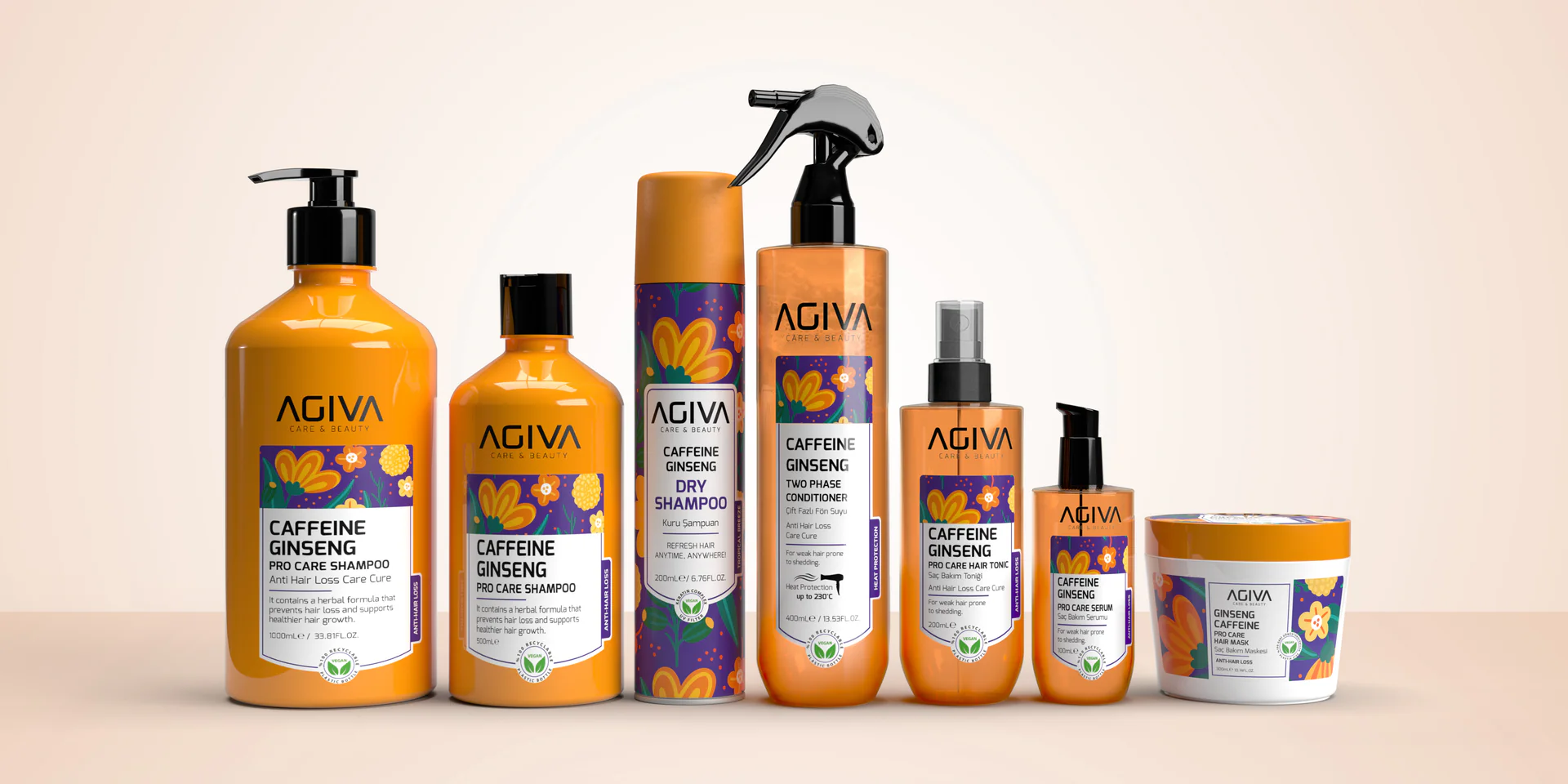
Once you’ve separated finishing serums from genuine scalp treatments, here’s how Agiva’s actual products line up for hair growth support specifically.
Choosing the Best Hair Growth Serum in Pakistan for Your Scalp
| Product | Application Area | Best For | Price |
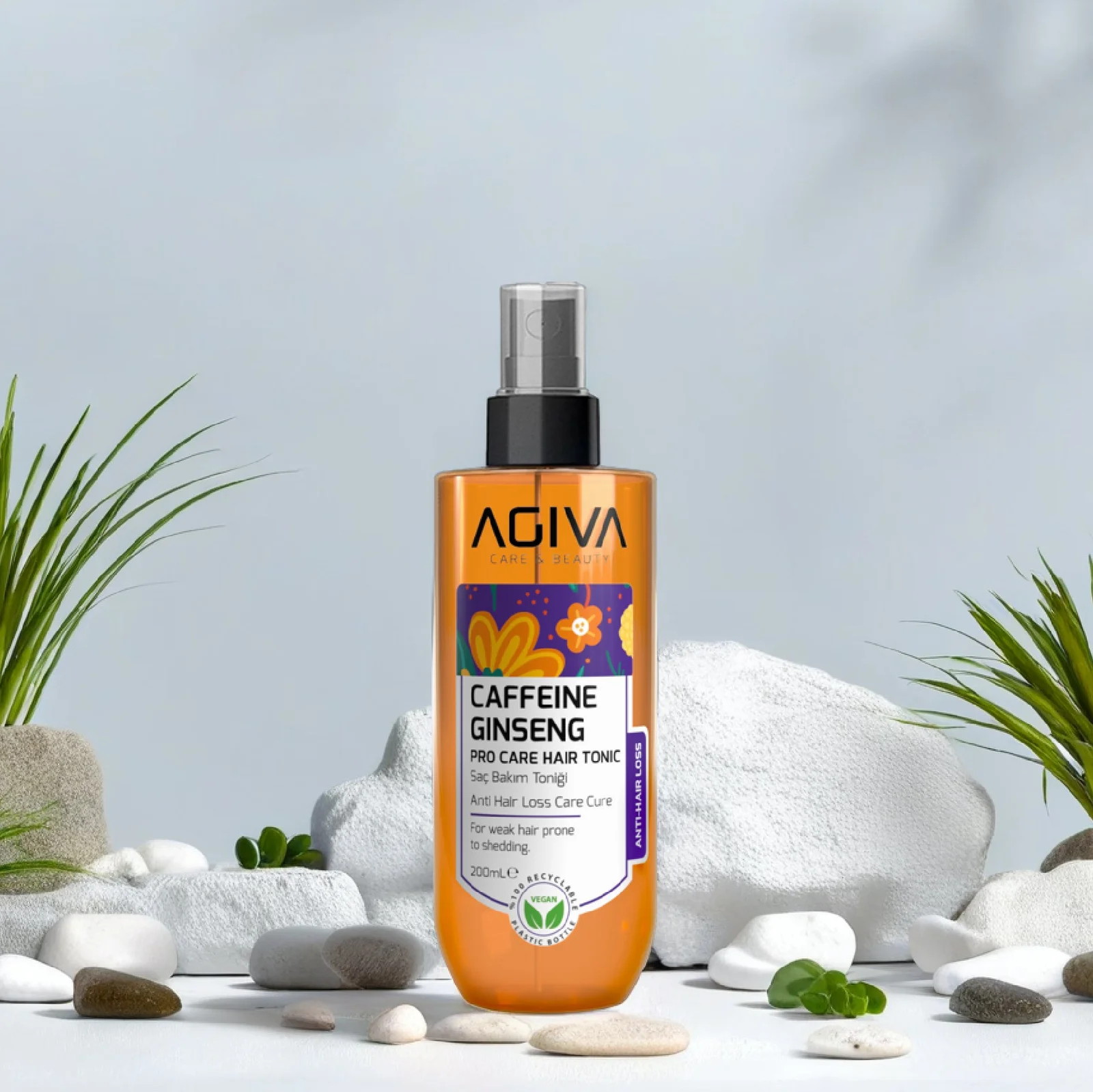
| Caffeine Ginseng Pro Care Hair Tonic – 200ml | Scalp | Genuine growth and anti-hair-loss support | ₨2,145.00 |
| Rosemary Clove Anti Hair Loss Hair Tonic – 200ml | Scalp | Alternative scalp treatment with rosemary and clove actives | ₨2,145.00 |
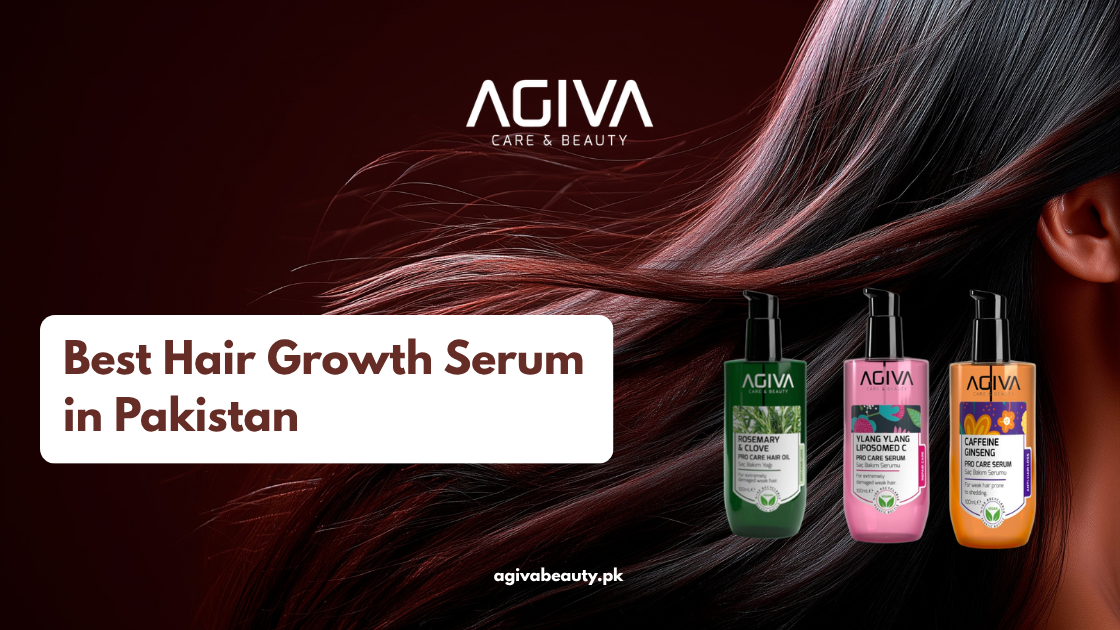
| Caffeine Ginseng Pro Care Hair Serum – 100ml | Mid-lengths and ends | Reducing breakage, frizz, and shine — supports length retention | ₨2,744.50 |
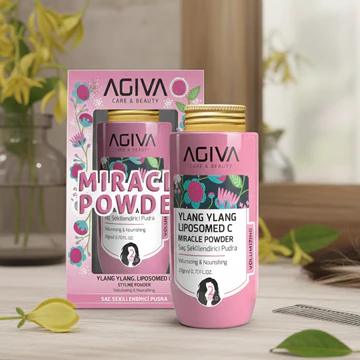
| Ylang Ylang Liposomed C Hair Serum – 100ml | Mid-lengths and ends | Antioxidant protection for color-treated or dull hair | ₨2,744.50 |
If your primary goal is genuinely stimulating growth at the scalp, the hair tonic is the product doing that job — not the serum, despite both product types being formulated with caffeine and ginseng.
Building a Complete Hair Growth Routine
Growth isn’t only about stimulating new hair — it’s also about not losing length to breakage while new growth happens. That’s where a complete routine, rather than a single “growth” product, makes the real difference:
- Shampoo — the Caffeine Ginseng Pro Care Shampoo cleanses while delivering the same active ingredients to the scalp during every wash.
- Hair tonic — applied to a clean, dry or damp scalp after washing (or on non-wash days), left in without rinsing, for direct follicle-level support.
- Hair serum — applied to mid-lengths and ends on damp or dry hair, protecting the hair you already have from breakage, heat damage, and humidity-driven frizz, which helps retain length rather than losing it to snapping and split ends.
Used together, this addresses both sides of visible hair growth: encouraging the scalp to support new strands, and protecting existing length so it doesn’t disappear just as fast through breakage. For a fuller breakdown of how each step in a routine should be sequenced, see our guide on the right order to apply hair products.
Common Mistakes When Buying a “Growth” Serum
- Buying based on the word “growth” on the packaging without checking whether the product is actually meant for the scalp.
- Applying a lengths-focused serum to the scalp anyway, hoping it will work like a tonic — this usually just leaves hair looking greasy at the roots without any growth benefit.
- Expecting visible results within days. Both caffeine and ginseng research points to a gradual effect over weeks of consistent use, not immediate change.
- Using a scalp tonic inconsistently. Hair growth cycles are slow — sporadic use makes it far harder to judge whether a product is actually working.
- Ignoring the shampoo step entirely. A scalp-focused shampoo used alongside a tonic reinforces the same active ingredients at every wash, rather than relying on the tonic alone.
Expert Tips Before You Buy
- Start with the tonic if scalp support is your actual goal, and treat any lengths-focused serum as a complementary step, not the main event.
- Give any growth-focused routine at least 8 to 12 weeks before judging results — this matches the pace of the natural hair growth cycle.
- Pair the tonic with a matching shampoo from the same active-ingredient family for a more reinforced routine rather than mixing unrelated actives.
- Don’t skip the serum entirely, even if growth is your main concern — reducing breakage at the ends is a real, practical way to help retained length show up faster.
- Re-read the product’s own “how to use” section every time, since even within the same brand, application instructions vary meaningfully between a tonic and a serum.
FAQs
1. What is the best hair growth serum in Pakistan?
The honest answer is that most products labeled “hair serum” aren’t built for scalp application at all — they’re finishing products for the lengths and ends. For genuine scalp-level growth support, a hair tonic like Agiva’s Caffeine Ginseng Pro Care Hair Tonic is the more accurate product category to look for, since it’s specifically designed for direct scalp application.
2. What’s the difference between a hair serum and a hair tonic?
A hair serum is applied to mid-lengths and ends to smooth frizz, add shine, and protect against heat and humidity. A hair tonic is applied directly to the scalp and left in, allowing active ingredients like caffeine and ginseng to reach the hair follicles where growth actually originates.
3. Does caffeine in hair products actually support hair growth?
Yes, when delivered to the scalp. A 2025 systematic review in the journal Healthcare analyzed nine clinical trials involving 684 participants and found all of them favored topical caffeine treatment for hair loss and thinning. This research applies to scalp-applied formats like tonics, not to lengths-focused finishing serums using the same ingredient.
4. Can I use a hair serum on my scalp for growth support?
It’s not recommended, since most hair serums are formulated and tested for use on mid-lengths and ends, not the scalp. Applying a lengths-focused serum to the scalp typically just leaves hair looking greasy at the roots without providing the growth support a proper scalp tonic is designed to deliver.
5. How long does it take to see results from a hair growth tonic?
Most people should expect at least 8 to 12 weeks of consistent use before judging results, since hair growth cycles are naturally slow. Stopping too early, or using a tonic inconsistently, is one of the most common reasons people conclude a product “didn’t work” when it simply wasn’t given enough time.
6. Should I use both a hair tonic and a hair serum together?
Yes, they address different parts of the same problem. The tonic supports the scalp and follicles where new growth originates, while the serum protects your existing hair from breakage and damage at the ends, helping retain the length you already have while new growth develops.
Final Verdict
The real answer to finding the best hair growth serum in Pakistan starts with recognizing that most “serums” aren’t built for the job at all. If genuine scalp-level growth support is what you’re after, a hair tonic — not a lengths-focused serum — is the product actually designed to get caffeine, ginseng, or other active ingredients where they need to go. The serum still earns its place in a complete routine, just for a different reason: protecting the length you already have.
Ready to build a routine that targets both? Explore Agiva’s full Hair Serum range alongside the Caffeine Ginseng Pro line at agivabeauty.pk and put together a routine that actually matches what you’re trying to achieve.