
You found a great deal on a shampoo you already love, half the price you usually pay, from a seller you found on Facebook or Daraz. Tempting, right? Here’s the uncomfortable truth: fake shampoo Pakistan listings are far more common than most buyers realize, and that “too good to be true” price is very often the first sign something’s wrong.
This isn’t about being paranoid over every purchase. It’s about knowing exactly what to check before you hand over your money, so a bottle that’s supposed to help your hair doesn’t end up damaging it instead. Below is a complete, practical breakdown of how counterfeit hair products actually get made, what to look for on the bottle itself, and how to verify what you’re buying is the real thing.
Table of Contents
- Why Fake Shampoo Is a Bigger Problem in Pakistan Than You’d Think
- What’s Actually Inside Counterfeit Shampoo (And Why It’s Risky)
- How to Check If Your Shampoo Is Original
- Fake Shampoo Pakistan: Red Flags on the Bottle Itself
- Where Counterfeit Shampoo Usually Comes From
- Real vs. Fake Shampoo: Quick Comparison Checklist
- How to Verify an Agiva Product Specifically
- What to Do If You Think You Bought a Fake
- Mistakes That Make Shoppers Easy Targets
- Expert Tips for Safer Shopping
- FAQs
- Final Verdict
Why Fake Shampoo Is a Bigger Problem in Pakistan Than You’d Think
This isn’t a minor, occasional issue. Rasim Khan, Chairman of Consumers Voice Pakistan, has stated that an estimated 65% of consumer products sold in Pakistan are counterfeit, largely because the country still lacks counterfeit-specific laws and dedicated enforcement courts. Separately, Pakistan has been named in World Trademark Review’s ongoing series on global counterfeit hotspots, flagging it as a market where fake goods circulate widely across both physical and online retail channels.
Beauty and personal care products are a particularly attractive target for counterfeiters. Packaging is relatively cheap and easy to replicate, brand trust does most of the selling for them, and margins on a convincing fake are high. None of this means every deal you find online is fake — but it does mean the odds are higher than most shoppers assume, especially when a listing looks slightly off or the price feels unusually low.
What’s Actually Inside Counterfeit Shampoo (And Why It’s Risky)
Counterfeit cosmetic products skip every safety step a legitimate brand goes through before a bottle reaches a shelf. U.S. Customs and Border Protection specifically lists everyday consumer products like shampoo among the categories most commonly seized for counterfeiting, precisely because of the health risks involved when products bypass standard safety testing.
In practice, that can mean:
- Unregulated or contaminated ingredients, sometimes including heavy metals or preservatives well beyond safe concentrations
- Incorrect pH or formulation, since counterfeiters are copying the packaging, not the actual chemistry inside it
- No batch testing, so there’s no quality control catching a bad production run before it reaches you
- Genuine risk of scalp irritation, allergic reactions, or worse, particularly with prolonged use
A fake bottle isn’t just a wasted purchase. It’s an unknown substance going onto your scalp, repeatedly, without any of the safety oversight the real product went through.
How to Check If Your Shampoo Is Original
Before buying — or immediately after a delivery arrives — run through this checklist. It takes less than two minutes and catches the vast majority of counterfeit listings.
Fake Shampoo Pakistan Warning Signs at a Glance
- The price is dramatically lower than the brand’s official listing. A modest discount during a sale is normal; half-price or less on a well-known product is the single biggest red flag.
- The seller has no verifiable contact information. No working phone number, no real email, no consistent business name across their listings.
- Product photos look slightly “off.” Blurry logos, mismatched fonts, or colors that don’t quite match the official product images.
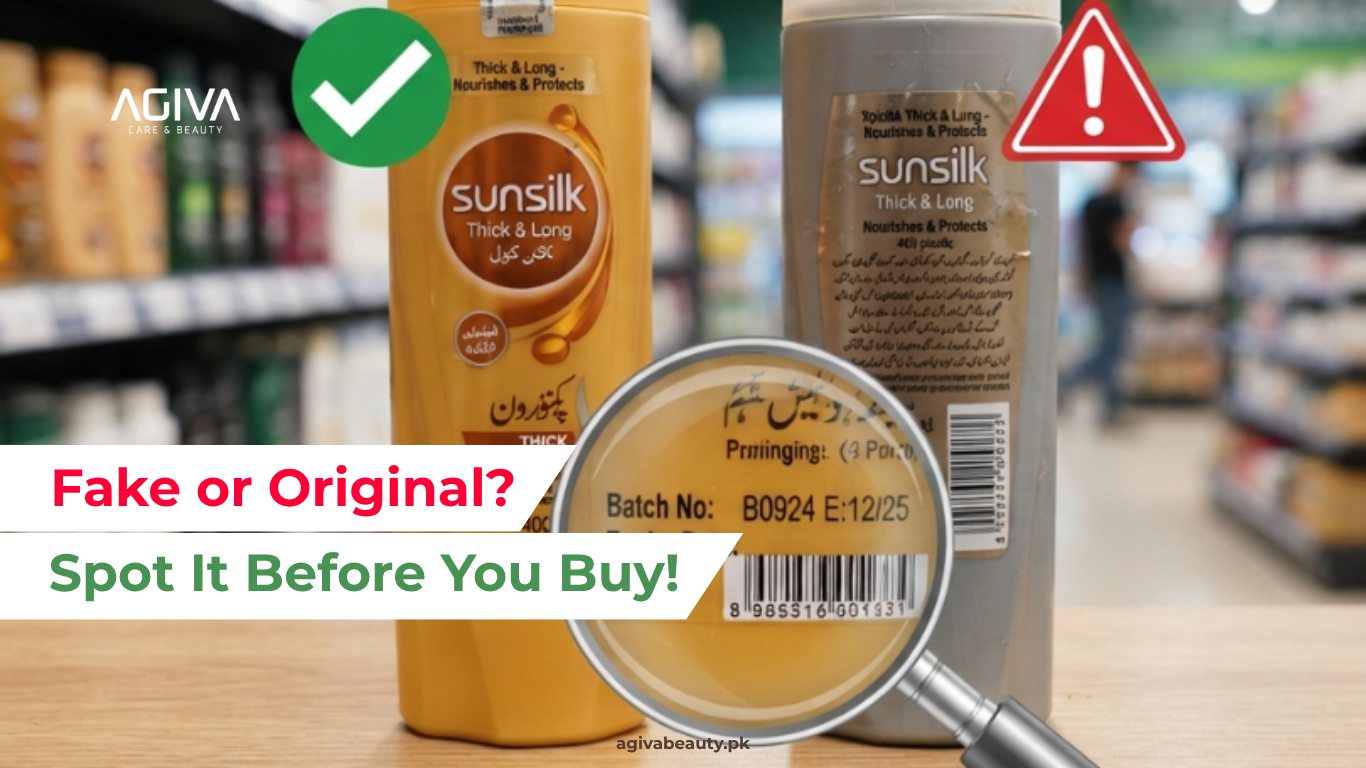
- There’s no batch or lot code, or the code is missing, smudged, or doesn’t match what’s printed on the box versus the bottle itself.
- Reviews feel generic or repetitive, or there simply aren’t any at all despite the seller claiming to have sold hundreds of units.
- The texture, scent, or consistency feels different from a bottle you’ve used before, once you actually open it.
If two or more of these apply, treat it as a serious warning sign rather than a coincidence.
Fake Shampoo Pakistan: Red Flags on the Bottle Itself
Once a bottle is in your hands, the packaging tells you most of what you need to know. Here’s specifically what to examine:
- Print quality. Genuine packaging uses sharp, consistent printing. Counterfeit labels often show slightly blurry text, uneven color saturation, or fonts that don’t quite match the brand’s official style.
- Spelling and grammar. Small errors on the label — a misspelled ingredient name, awkward phrasing, inconsistent capitalization — are common on counterfeit packaging because labels are often reproduced quickly and cheaply.
- The cap and pump mechanism. Genuine bottles typically have a smooth, consistent pump or flip-cap action. A stiff, loose, or oddly-fitted cap is a common giveaway.
- Batch code placement and format. Authentic products consistently print a batch or lot code in the same location, in the same format, across every unit. A missing code, or one that looks hand-stamped rather than machine-printed, is worth questioning.
- Shrink wrap and seals. Not every legitimate product uses shrink wrap, but if a product normally ships sealed and yours arrives without one — or with a seal that looks re-applied — that’s worth a second look.
None of these signs alone is definitive proof of a fake. But packaging that shows two or three of these issues together is a strong indicator something isn’t right.
Where Counterfeit Shampoo Usually Comes From
Fakes don’t typically originate from established, well-reviewed retailers with a genuine storefront and return policy. They tend to surface through:
- Unofficial resellers on social media, particularly pages that pop up quickly, use stock photos instead of their own product images, and offer prices noticeably below the market rate
- Unverified listings on online marketplaces, where third-party sellers can list products without the platform directly checking authenticity
- Informal street vendors and small unlicensed shops, especially in high-footfall areas where impulse purchases are common
- “Too good to be true” bundle deals, where a bulk discount looks appealing enough that buyers skip their usual scrutiny
This doesn’t mean every online seller or every discount is suspicious — plenty of legitimate retailers run genuine promotions. The pattern to watch for is a combination of an unfamiliar seller, an unusually steep discount, and little to no way to verify who you’re actually buying from.
Real vs. Fake Shampoo: Quick Comparison Checklist
| What to Check | Genuine Product | Likely Counterfeit |
|---|---|---|
| Price | Matches or close to official retail price | Significantly below market price |
| Batch code | Present, consistent, matches box and bottle | Missing, smudged, or mismatched |
| Packaging print | Sharp, consistent, correct fonts and colors | Blurry, slightly off colors, font mismatches |
| Seller information | Verifiable contact, consistent business name | Vague, changes name, no real contact |
| Reviews | Specific, varied, build up over time | Generic, repetitive, or absent |
| Texture and scent | Matches your past experience with the product | Noticeably different once opened |
| Where purchased | Official website or authorized retailer | Unverified reseller, street vendor, or unofficial page |
How to Verify an Agiva Product Specifically
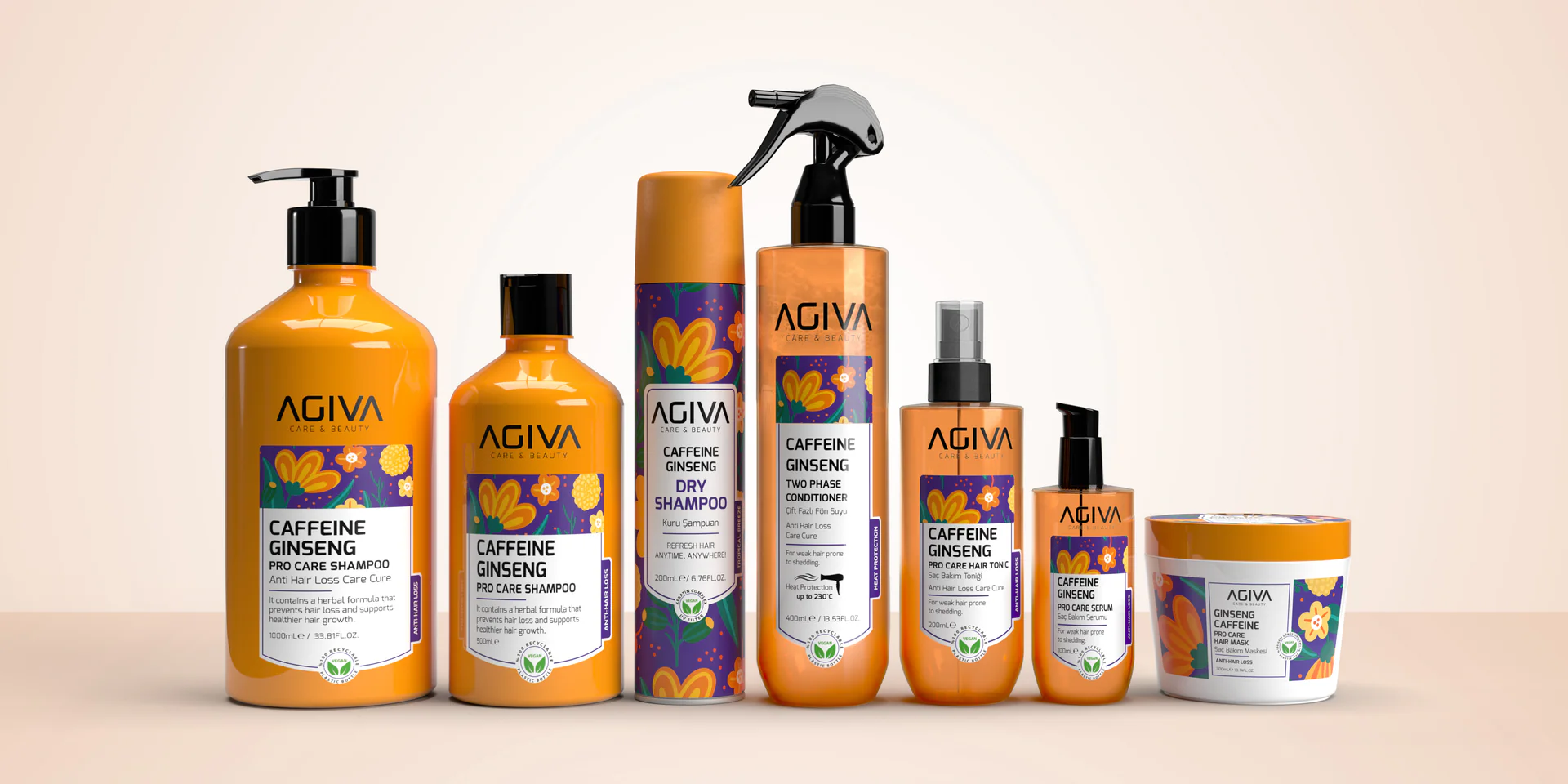
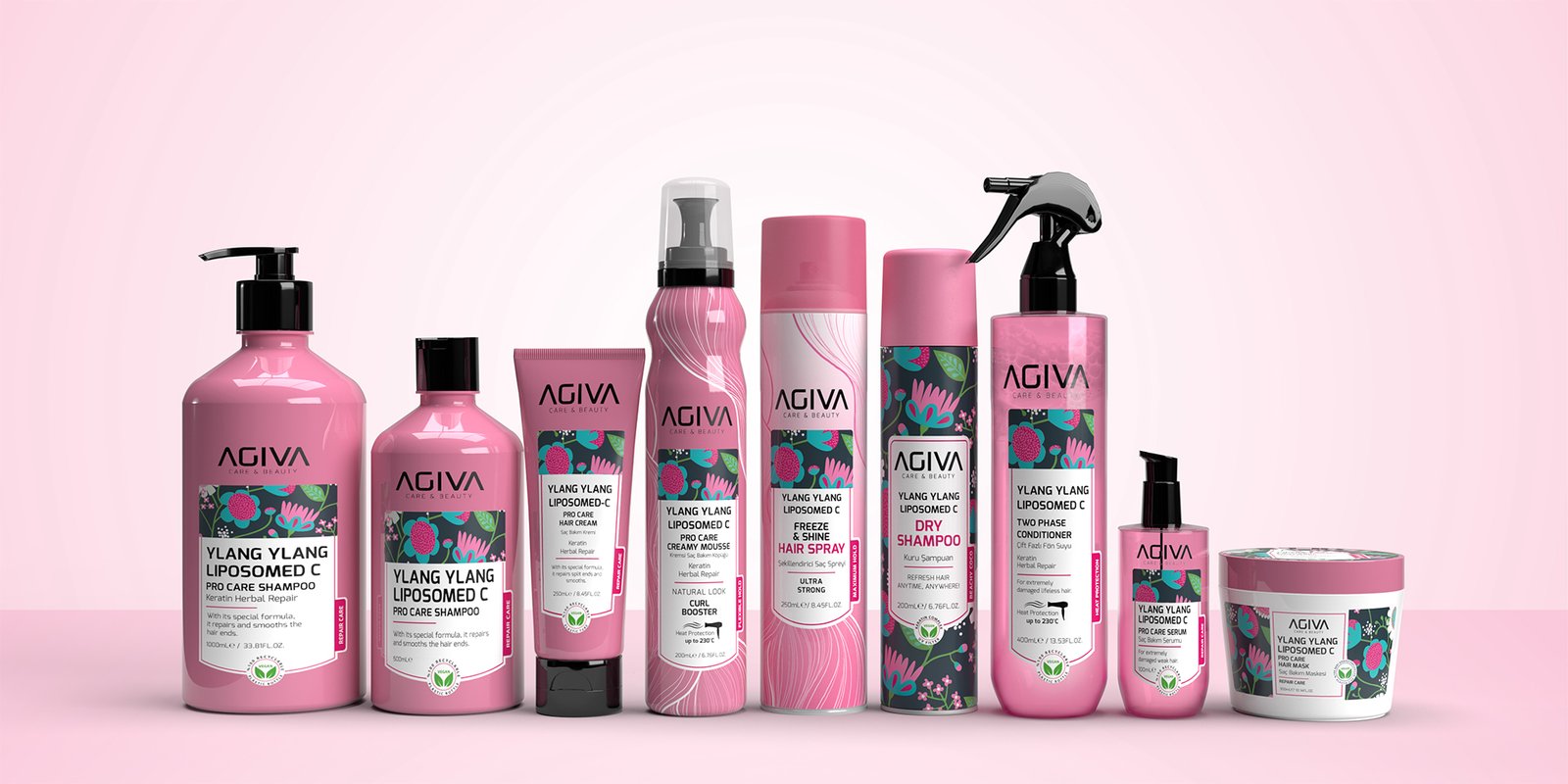
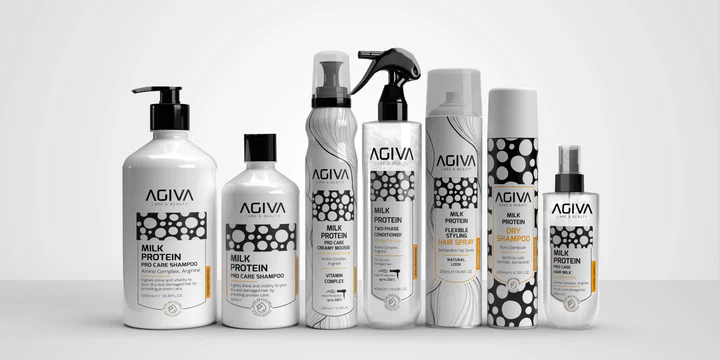
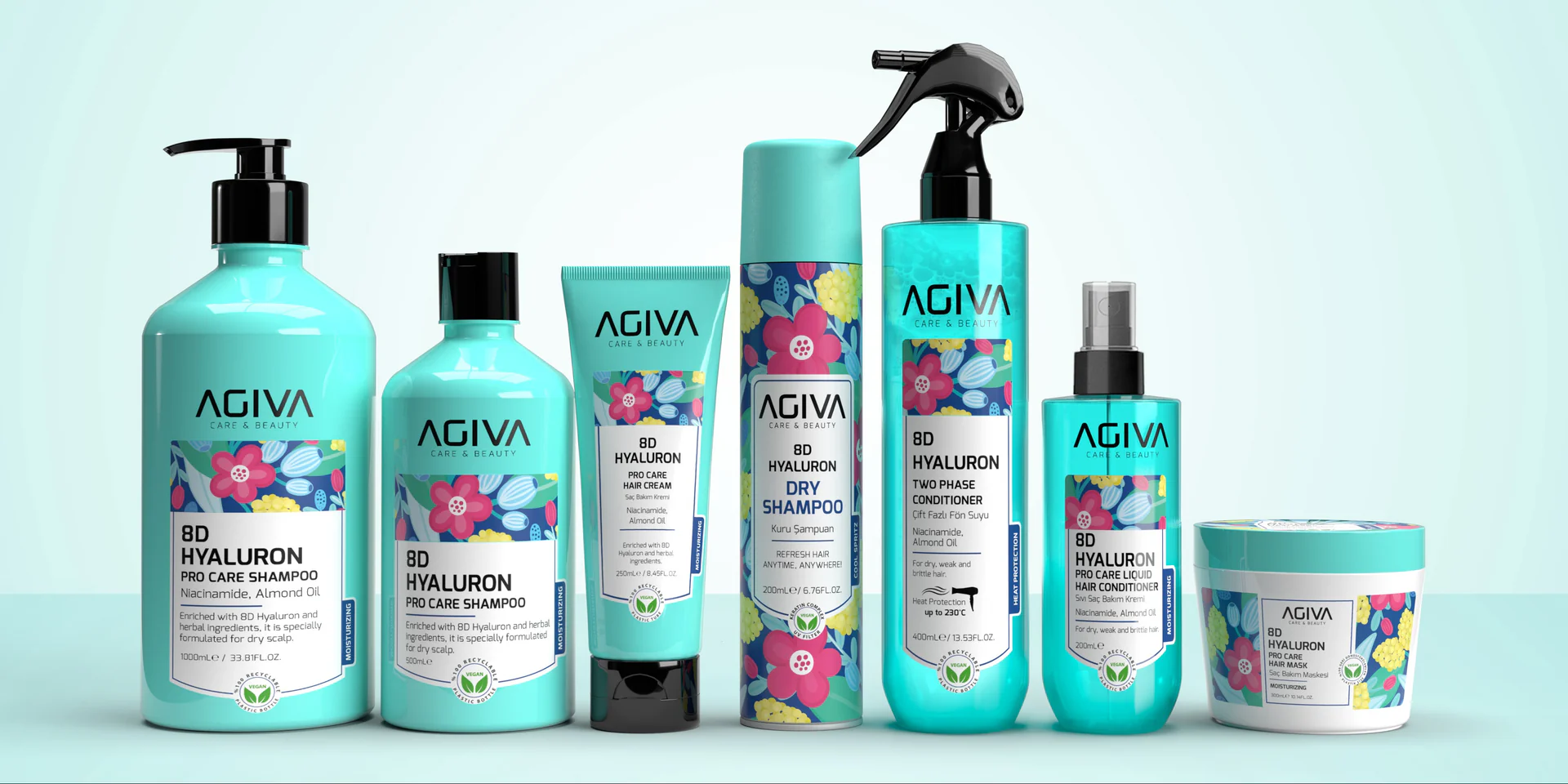
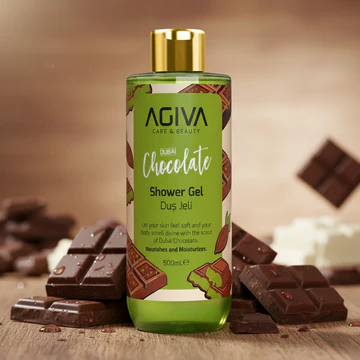
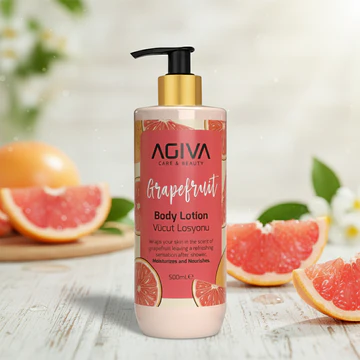
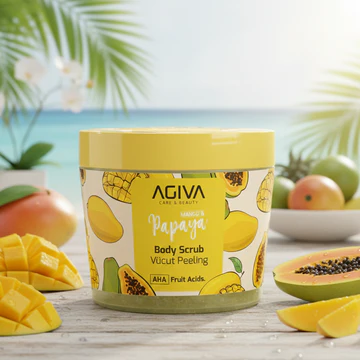
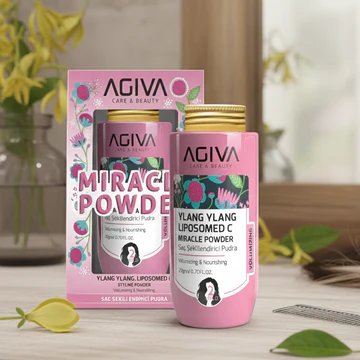
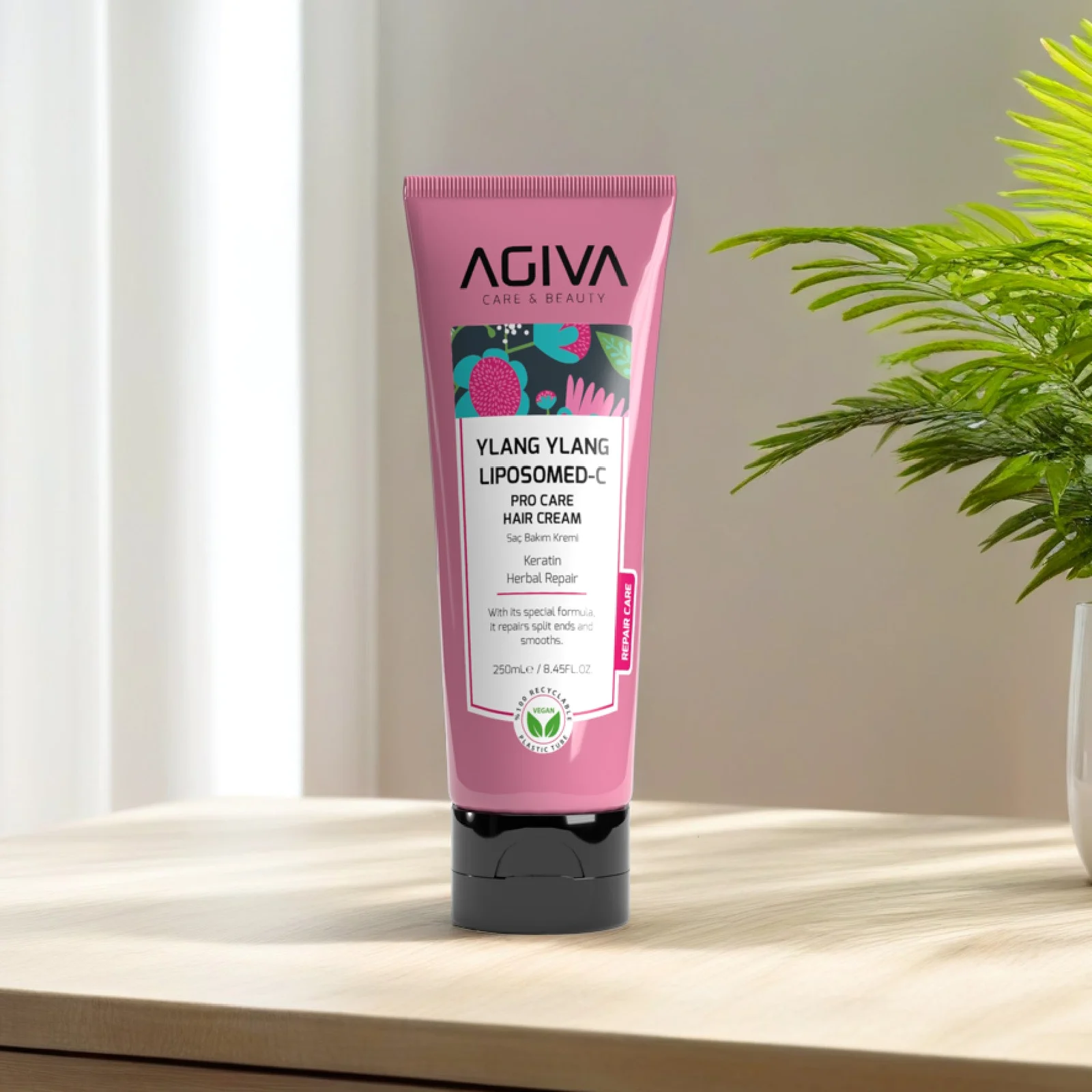
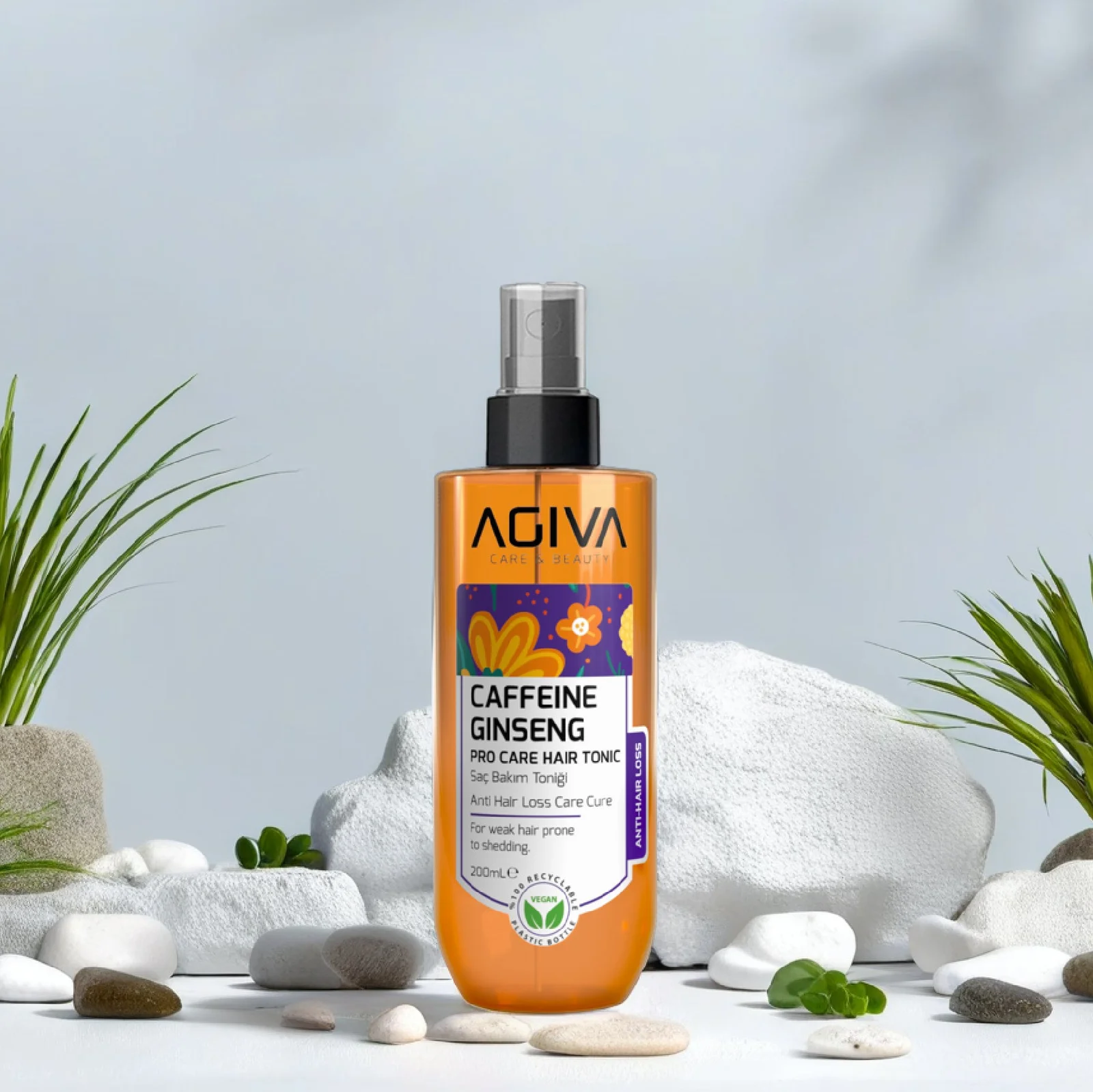
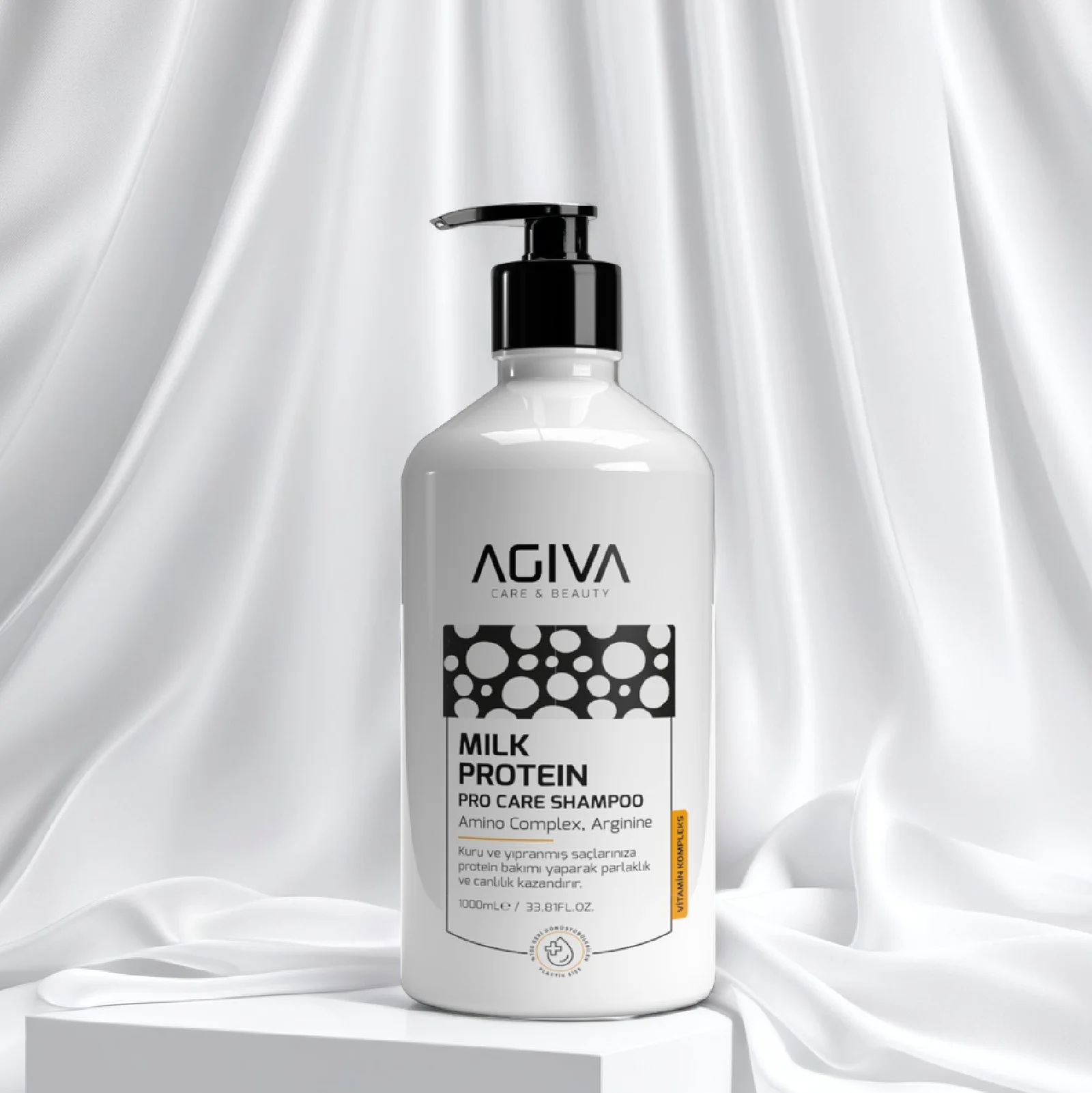
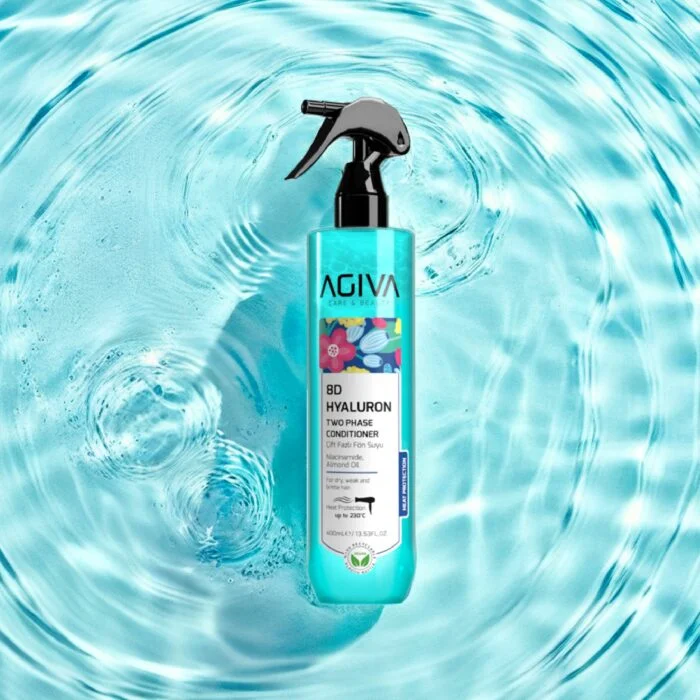
If you’re buying Agiva, the safest path is straightforward: purchase directly through agivabeauty.pk, where every product ships as the genuine, 100% Turkish-imported formula it’s meant to be. You can browse the full, verified shop page or go straight to a specific line, like the Hair Shampoo collection, knowing exactly what you’re getting.
If you’ve bought an Agiva product elsewhere and want to double-check it, a few quick steps help:
- Compare the packaging against the official product photos on the relevant product category page on agivabeauty.pk
- Check that the batch code is present, clearly printed, and consistent between the box and the bottle
- If anything looks off, reach out directly — Agiva Beauty can be reached at info@agivabeauty.pk, and sending clear photos of the packaging is usually enough for a quick answer
- You can also cross-check the seller’s page against Agiva Beauty’s official social accounts, including Instagram and Facebook, since counterfeit sellers rarely have any real connection to the brand’s verified channels
When in doubt, buying direct removes the guesswork entirely.
What to Do If You Think You Bought a Fake
If you’ve already opened a product and something feels wrong — the texture, the scent, an unusual reaction on your scalp — don’t keep using it while you investigate.
- Stop using the product immediately, especially if you’ve noticed any irritation.
- Keep everything: the bottle, the box, your receipt or order confirmation, and screenshots of the original listing.
- Photograph the packaging closely, including the batch code, cap, and any text that looks unusual.
- Contact the seller first to request a refund or replacement, referencing the specific issues you noticed.
- Contact the brand directly with your photos — legitimate companies want to know when counterfeits are circulating under their name, since it damages their reputation too.
- Report the listing on whichever platform you bought it through, if it was an online marketplace or social media page, so other buyers don’t fall into the same trap.
Mistakes That Make Shoppers Easy Targets
- Chasing the lowest possible price without checking who’s actually selling the product.
- Buying from a seller with zero purchase history just because the listing looks convincing.
- Assuming a big marketplace name automatically means every seller on it is verified. Most platforms host third-party sellers they don’t individually authenticate.
- Skipping the batch code check because it feels like an unnecessary extra step.
- Ignoring a gut feeling that something’s off about the texture or scent, and using the product anyway “just to see.”
Expert Tips for Safer Shopping
- Buy directly from the brand’s official website whenever it’s an option — it removes almost all of the guesswork in one step.
- Screenshot the listing and seller details before you buy, so you have a record if something goes wrong later.
- Start with a small order from an unfamiliar seller rather than stocking up in bulk on your first purchase.
- Compare the price against the brand’s official listed price, not just against other resellers, who may all be selling the same counterfeit stock.
- Trust your senses once the product arrives. If the texture, scent, or consistency doesn’t match your past experience with the real thing, don’t dismiss that instinct.
FAQs
1. How common is fake shampoo in Pakistan?
More common than most buyers assume. Consumers Voice Pakistan has cited an estimate that around 65% of consumer products sold in the country are counterfeit, and Pakistan has been specifically flagged in international trademark industry reports as a market where counterfeit goods circulate widely, including in the beauty and personal care category.
2. What’s the easiest way to check original shampoo before buying?
Start with the price — if it’s dramatically below the brand’s official listed price, treat that as your first warning sign. From there, check that the seller has verifiable contact information, look for a batch code on the packaging, and compare product photos against the brand’s official images before completing the purchase.
3. Can fake shampoo actually harm my hair or scalp?
Yes. Counterfeit products skip the safety testing, batch quality control, and regulated ingredient sourcing that genuine products go through. This can mean unregulated or contaminated ingredients, incorrect formulation, and a real risk of scalp irritation or allergic reactions with repeated use.
4. Is buying shampoo online in Pakistan safe?
It can be, as long as you’re buying from a verified source. Purchasing directly from a brand’s official website, like agivabeauty.pk for Agiva products, is the safest option. If buying through a marketplace or social media seller, verify their contact information, check reviews, and compare pricing against the official retail price before ordering.
5. What should I do if I think I already bought a fake shampoo?
Stop using it right away, especially if you’ve noticed any irritation. Keep the packaging, receipt, and any listing screenshots, photograph the batch code and packaging closely, and contact both the seller and the brand directly with your evidence. Reporting the listing on the platform you bought it from also helps protect other buyers.
6. Does a batch code guarantee a shampoo is genuine?
Not entirely on its own, but its absence is a strong warning sign. A genuine batch code should be clearly printed, consistent in format, and match between the box and the bottle itself. Combined with other checks — price, seller legitimacy, and packaging quality — it’s one of the most reliable signals available to an everyday buyer.
Final Verdict
Fake shampoo Pakistan listings aren’t a rare edge case — they’re a genuine, well-documented part of the counterfeit market here, and beauty products are one of the categories counterfeiters target most. The good news is that spotting a fake doesn’t require special expertise. A quick check of the price, the batch code, the packaging quality, and who’s actually selling it catches the overwhelming majority of counterfeit listings before you’ve spent a single rupee.
When the source is uncertain, the simplest solution is also the safest one: buy directly from the brand.
Want zero guesswork? Shop the full, verified range at agivabeauty.pk and know that every bottle is exactly what it claims to be — genuine, Turkish-imported, and safe for your hair.