

Walk past any shampoo aisle and “sulfate-free” is probably printed across half the bottles in bold letters, right next to “paraben-free” and “clean beauty.” It’s become such a universal marketing term that it’s worth asking the obvious question: is sulfate free shampoo Pakistan shoppers keep hearing about actually better, or is it just a label that sounds healthy?
The honest answer sits somewhere in the middle, and it depends heavily on your specific hair and scalp — which is exactly what most packaging never tells you. This guide breaks down what sulfates actually are, separates the real dermatological concerns from the debunked myths, and explains why the answer matters more in Pakistan specifically than it does almost anywhere else.
Table of Contents
- Sulfate-Free Shampoo in Pakistan: What It Actually Means
- What Are Sulfates, and Why Are They in Shampoo in the First Place?
- Is Sulfate-Free Shampoo Actually Better? What Dermatologists Say
- The Sulfate Myth That Needs to Die
- Who Actually Benefits from Sulfate-Free Shampoo
- Why Hard Water Makes This Decision More Important in Pakistan
- Sulfate-Free vs. Sulfate Shampoo: Quick Comparison
- How to Tell If a Shampoo Is Genuinely Sulfate-Free
- Common Mistakes When Switching to Sulfate-Free
- Expert Tips for Making the Switch
- FAQs
- Final Verdict
Sulfate-Free Shampoo in Pakistan: What It Actually Means
“Sulfate-free” simply means a shampoo doesn’t rely on sulfate compounds — most commonly sodium lauryl sulfate (SLS) or sodium laureth sulfate (SLES) — as its primary cleansing agent. Instead, it uses gentler alternative surfactants to lift dirt and oil from the hair and scalp.
That’s the entire technical definition. Whether that makes a specific bottle “better” for you depends on your hair type, your scalp condition, and — this part gets skipped constantly — the quality of the water you’re washing with, which in much of Pakistan is a genuinely bigger factor than most shoppers realize.
What Are Sulfates, and Why Are They in Shampoo in the First Place?
Sulfates are surfactants — compounds that reduce the surface tension between water and oil, which is exactly what lets shampoo lift grease, dirt, and product residue off your scalp and rinse it away cleanly. They’re also responsible for that thick, satisfying lather most people associate with a shampoo actually “working.”
Manufacturers have used sulfates for decades for good reason: they’re cheap, they’re extremely effective at cleaning, and that foaming action makes a product feel like it’s doing its job. The two most common types in shampoo are sodium lauryl sulfate and sodium laureth sulfate — chemically similar, though SLES is generally considered the milder of the two.
None of that makes sulfates inherently bad. It just makes them strong — and strong cleansing isn’t always what every hair type needs.
Is Sulfate-Free Shampoo Actually Better? What Dermatologists Say
This is where the marketing noise and the actual dermatology start to diverge, and it’s worth listening to the dermatology.
Dr. Anna Chacon, a board-certified dermatologist in Miami, has explained that sulfates are known to strip natural oils from the hair and scalp, which can lead to dryness, irritation, and damage. Dr. Brendan Camp, a double board-certified dermatologist at MDCS Dermatology in New York, adds that this stripping effect is a real concern specifically for hair that’s already dry, color-treated, or chemically processed, since sulfates can make it more fragile and cause it to look frizzy or dull.
The American Academy of Dermatology goes a step further for specific skin conditions: it recommends sulfate-free formulas for people with rosacea, eczema, or contact dermatitis, since sulfates can irritate already-sensitive skin on the scalp, face, and shoulders. That’s not a marketing claim — that’s a clinical recommendation for particular skin types.
So the honest answer to “is sulfate-free shampoo actually better” is: better for certain hair types and scalp conditions, not universally better for everyone. The next two sections explain exactly who falls into which camp.
The Sulfate Myth That Needs to Die
Before going further, one persistent claim deserves to be shut down clearly: sulfates do not cause cancer.
This rumor has circulated for years, largely tied to sodium lauryl sulfate specifically. Dr. Brendan Camp has directly addressed this, noting that the claim has been debunked as a myth by research published in the journal Environmental Health Insights and listed in the US National Library of Medicine. There is no credible scientific evidence linking sulfates in shampoo to cancer risk.
This matters because it reframes the whole conversation. The real, legitimate concern with sulfates isn’t safety — it’s suitability. Sulfates aren’t toxic; they’re just a strong cleanser that works better for some hair types than others. Understanding that distinction helps you make a decision based on what your hair actually needs, rather than fear-based marketing that oversells the risk.
Who Actually Benefits from Sulfate-Free Shampoo
Sulfate-free isn’t automatically the right choice for every head of hair. Here’s a more useful breakdown than “sulfate-free is healthier”:
Sulfate-free tends to work better for:
- Dry, damaged, or chemically-processed hair, where sulfates can strip moisture that’s already in short supply
- Color-treated hair, since repeated sulfate exposure can accelerate color fading
- Curly or coarse hair textures, which are naturally drier and more prone to frizz when over-cleansed
- Sensitive scalps, including rosacea, eczema, or contact dermatitis, per AAD guidance
- Anyone experiencing unexplained scalp irritation, redness, or itchiness after washing
Sulfate-based cleansing can still make sense for:
- Very oily hair or scalps with heavy sebum production, where a stronger cleanser actually helps
- Hair with significant product buildup — heavy gels, waxes, or styling sprays — that a gentler formula struggles to fully remove
- Occasional deep-cleaning or clarifying washes, even for people who use sulfate-free formulas day to day
If you’re not sure which category you fall into, the simplest test is your own experience: does your hair feel stripped, dry, or frizzy after washing, or does it feel weighed down and oily well before your next wash? That answer points you in the right direction more reliably than any label claim.
Why Hard Water Makes This Decision More Important in Pakistan
Here’s the factor most sulfate conversations skip entirely, and it matters a lot if you live in Karachi, Lahore, Islamabad, or any city dealing with mineral-heavy tap water.
Hard water contains higher concentrations of calcium and magnesium. When these minerals interact with sulfate-based surfactants, they can reduce lather effectiveness and leave mineral deposits behind on the hair and scalp — on top of whatever drying effect the sulfates were already causing. In practice, that’s a double hit for hair that’s already fighting dryness: the hard water adds mineral buildup, and the sulfates strip away the natural oils that would otherwise help offset it.
Choosing Sulfate-Free Shampoo in Pakistan’s Hard Water Cities
If you’re dealing with hard water and noticing dryness, dullness, or a scalp that feels tight after washing, a sulfate-free formula is one of the more evidence-backed changes you can make — not because sulfates are dangerous, but because your hair is already under more stress than average, and a gentler cleanser gives it one less thing to fight against. We’ve covered hard water’s broader effects on Pakistani hair in more depth in our dandruff treatment guide and our guide to two-phase conditioners, both of which touch on the same underlying water-quality issue from different angles.
Sulfate-Free vs. Sulfate Shampoo: Quick Comparison
| Feature | Sulfate-Free Shampoo | Sulfate-Based Shampoo |
|---|---|---|
| Cleansing strength | Gentle to moderate | Strong |
| Lather | Lighter, less foamy | Thick, heavy foam |
| Best for | Dry, damaged, color-treated, curly, sensitive scalp | Oily hair, heavy product buildup |
| Hard water performance | Less prone to mineral-related dryness | Can compound mineral buildup and dryness |
| Color retention | Better | Fades color faster with repeated use |
| Cancer risk | None — myth, debunked by research | None — same myth applies |
| Ideal use pattern | Daily use for most hair types | Daily for oily hair, or occasional clarifying wash |
How to Tell If a Shampoo Is Genuinely Sulfate-Free
“Sulfate-free” on the front of a bottle isn’t always the full story — checking the ingredient list is the only way to know for certain.
- Look for SLS and SLES by name. If either “sodium lauryl sulfate” or “sodium laureth sulfate” appears in the ingredient list, it’s not sulfate-free, regardless of front-label claims.
- Watch for close relatives. Ammonium lauryl sulfate and ammonium laureth sulfate function similarly and are sometimes used interchangeably by brands making a “milder” claim.
- Check the lather. This isn’t proof on its own, but a genuinely sulfate-free formula usually produces noticeably less foam than a sulfate-based one — if a “sulfate-free” bottle lathers like a classic drugstore shampoo, it’s worth double-checking the label.
- Don’t assume “natural” means sulfate-free. These are two entirely separate marketing claims, and plenty of naturally-derived ingredient lists still include sulfates.
Common Mistakes When Switching to Sulfate-Free
- Expecting the same lather and judging the product as “not working” when it doesn’t foam as much. Less lather doesn’t mean less cleaning — it’s simply a gentler surfactant system.
- Switching cold turkey and expecting instant results. Hair that’s used to sulfate-based cleansing sometimes goes through a short adjustment period as oil production rebalances.
- Assuming sulfate-free means you never need a deeper clean. Even sulfate-free routines benefit from an occasional clarifying wash if you use a lot of styling product.
- Buying based on the front label alone. As covered above, checking the actual ingredient list is the only reliable way to confirm the claim.
- Ignoring your actual hair type. Switching to sulfate-free because it’s trending, when you actually have very oily hair with heavy product buildup, can leave hair feeling weighed down rather than clean.
Expert Tips for Making the Switch
- Give it three to four washes before judging results, since your scalp needs a short window to adjust to a gentler cleansing system.
- Pair a sulfate-free shampoo with a proper conditioning step. A two-phase leave-in conditioner complements a gentler shampoo well, since neither is stripping moisture the other is trying to add back.
- If you have oily roots and dry ends, consider a sulfate-free formula focused specifically at the scalp and a richer conditioner on the lengths, rather than assuming one product needs to solve both problems.
- Don’t fear an occasional clarifying wash, even on a sulfate-free routine, if you notice product buildup after a week or two of heavy styling.
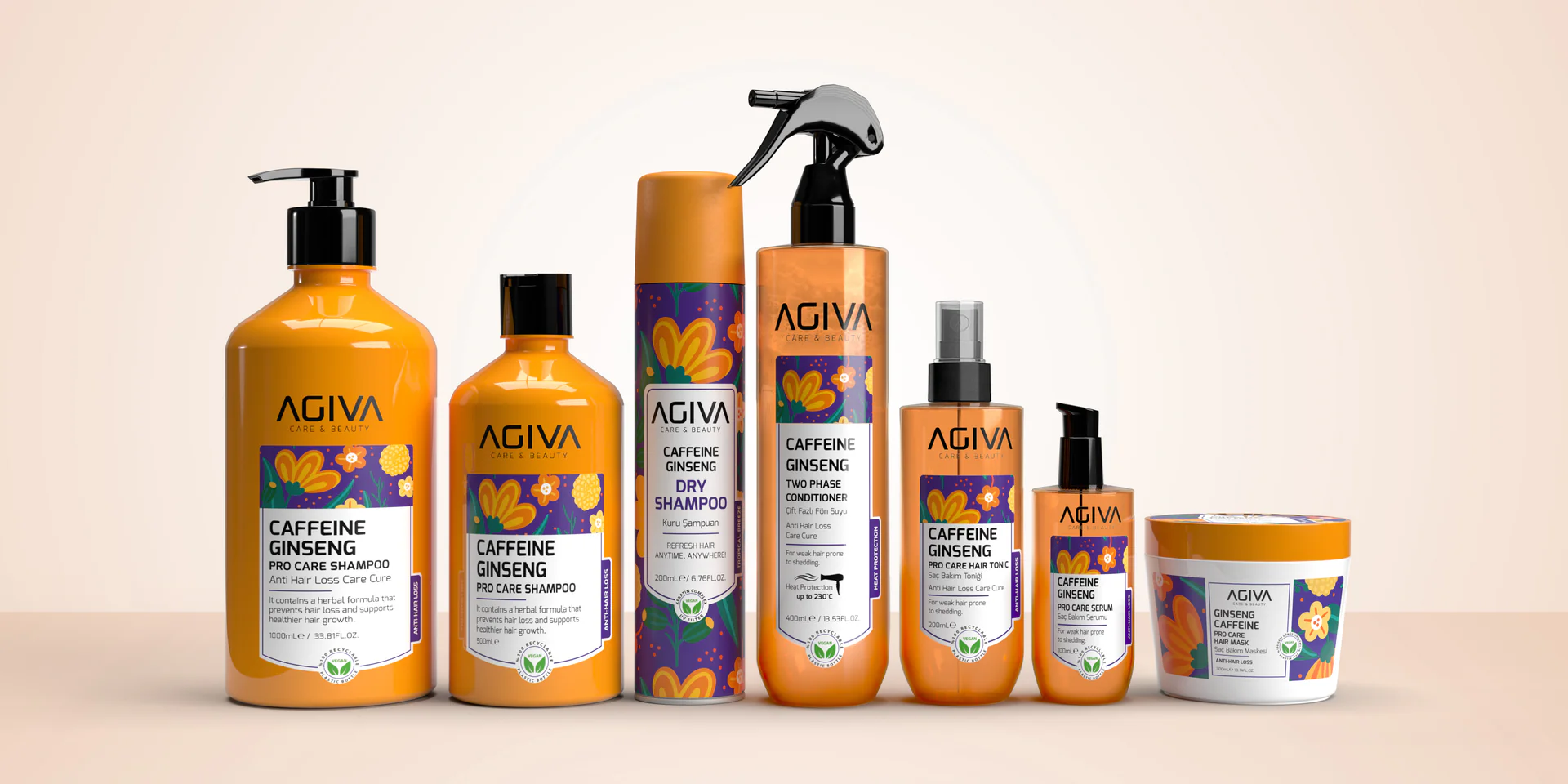
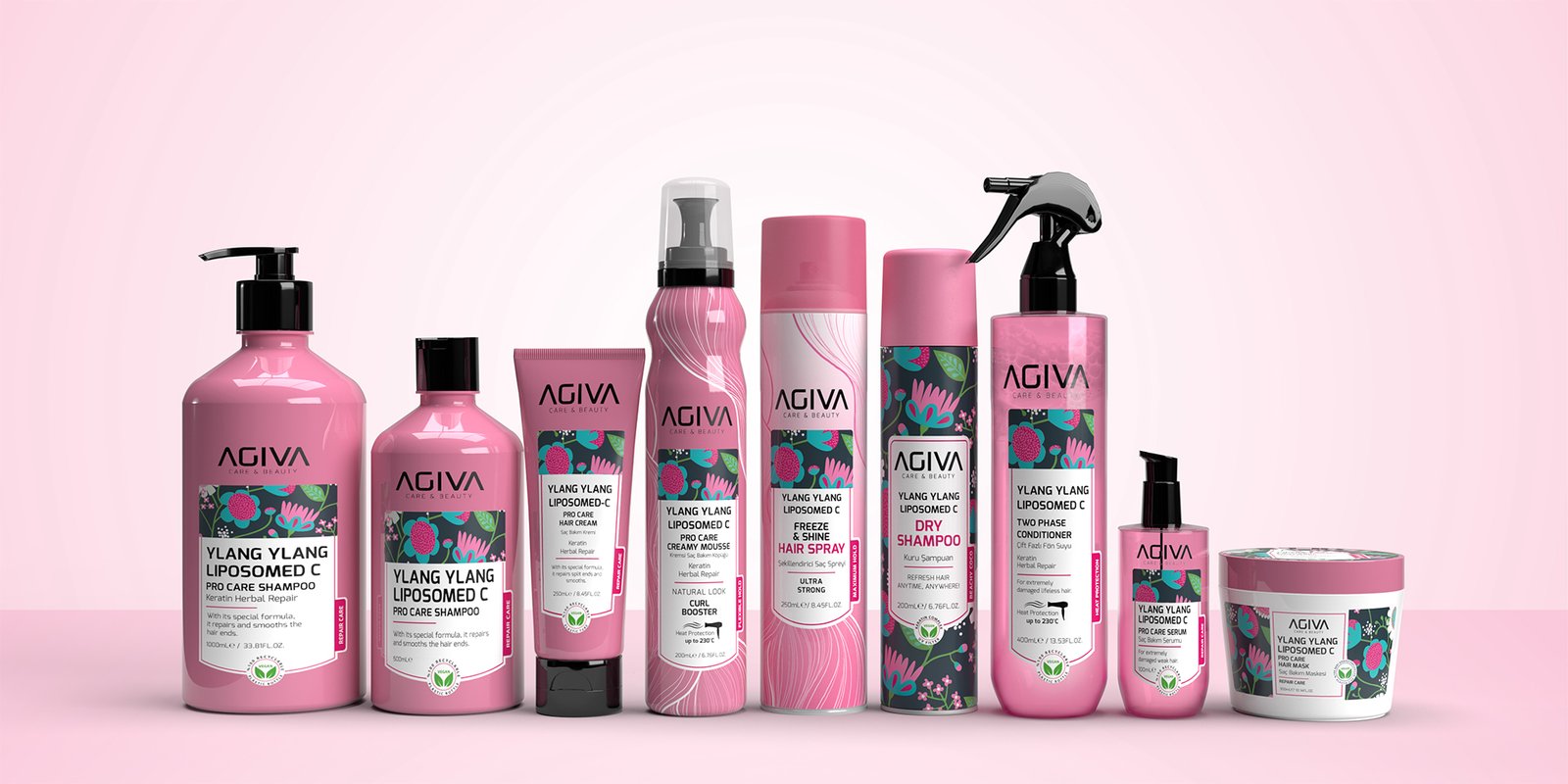
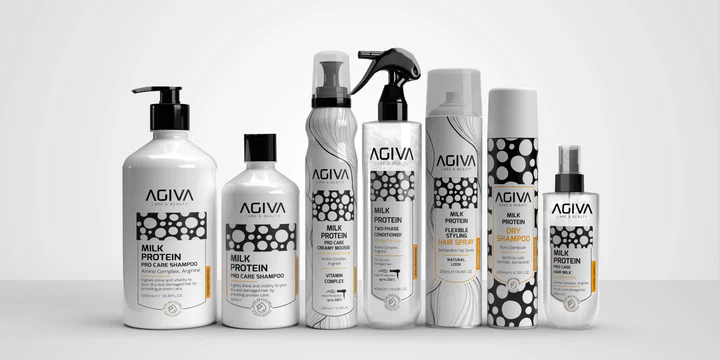
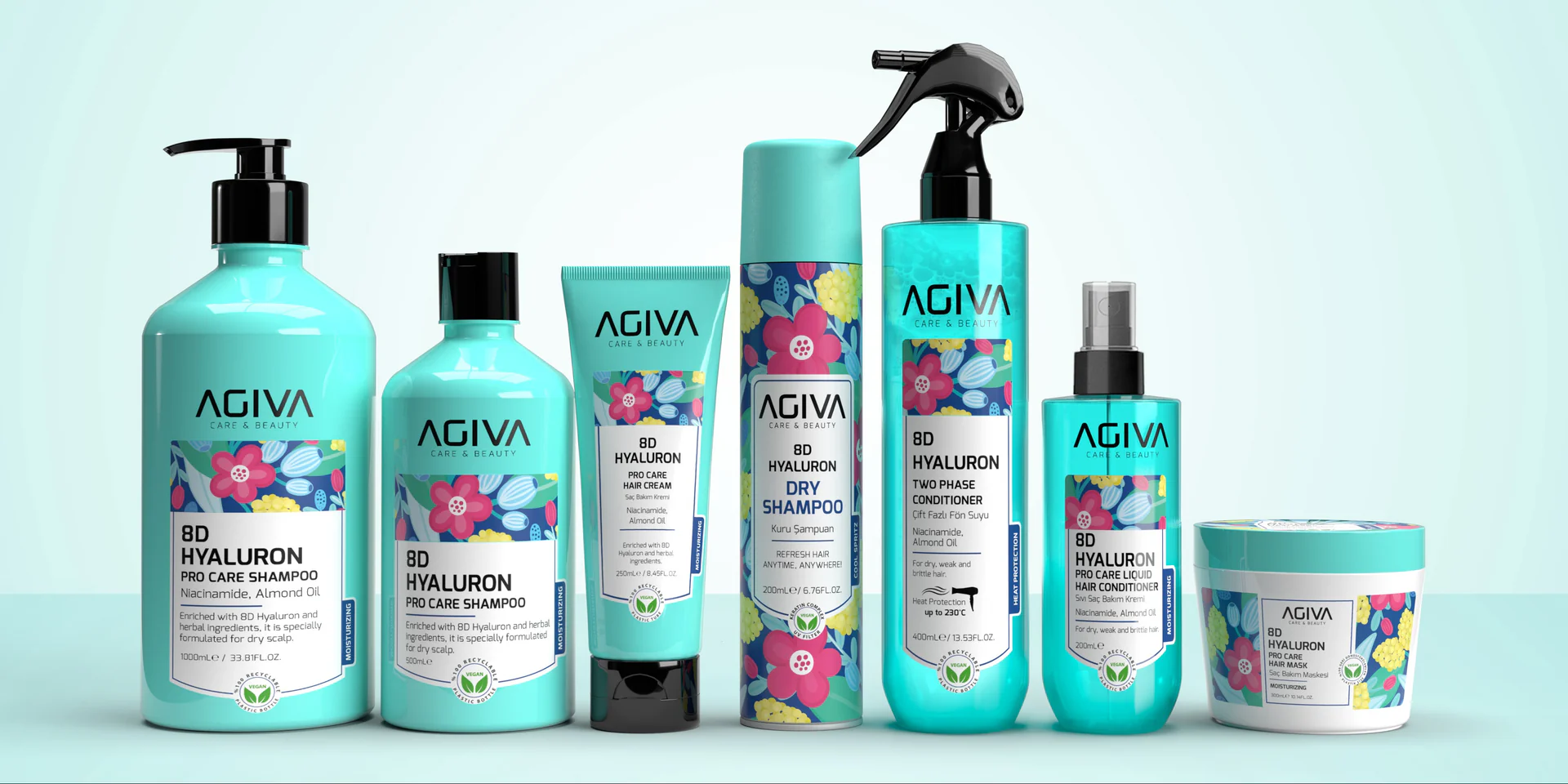
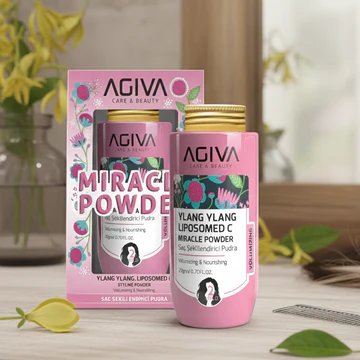
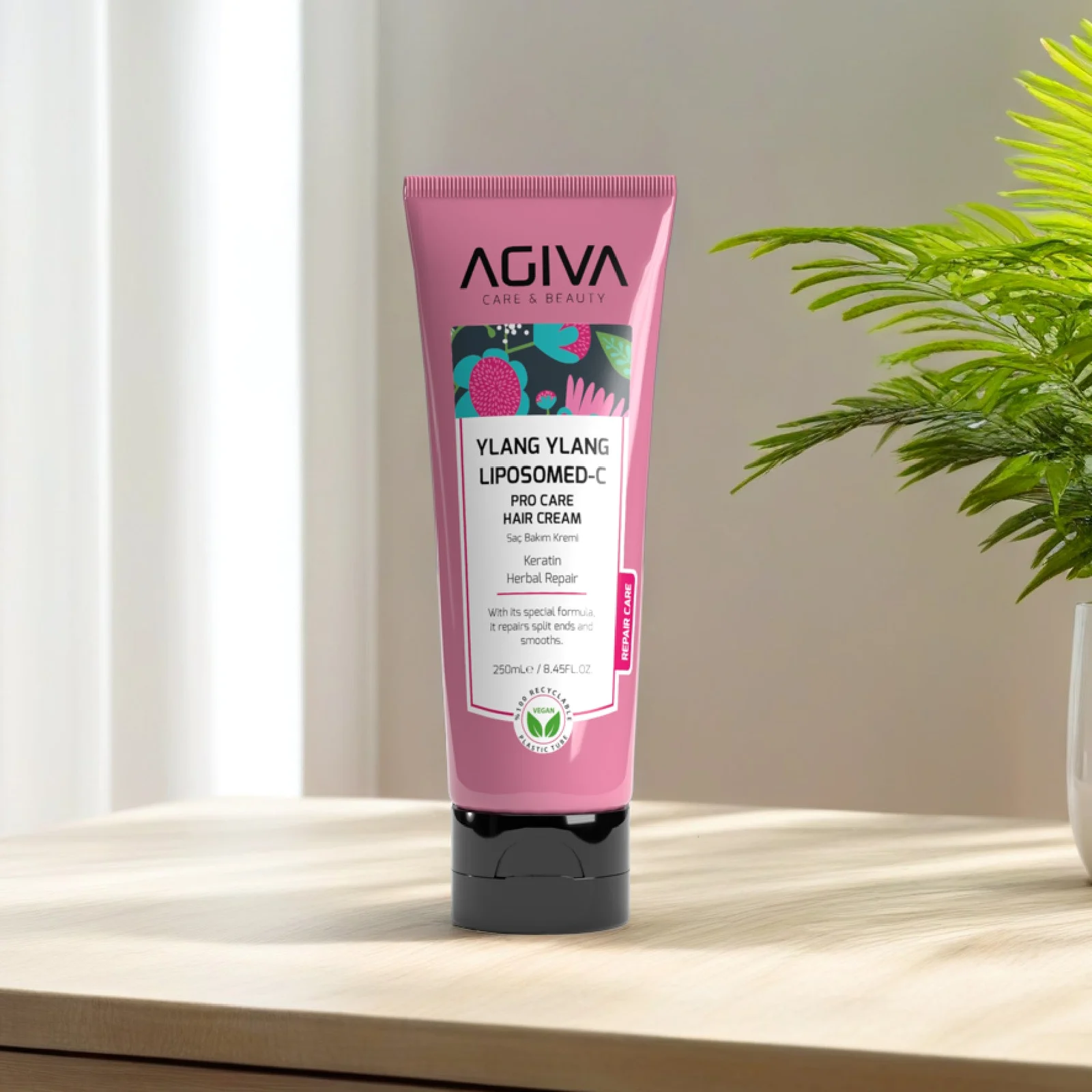
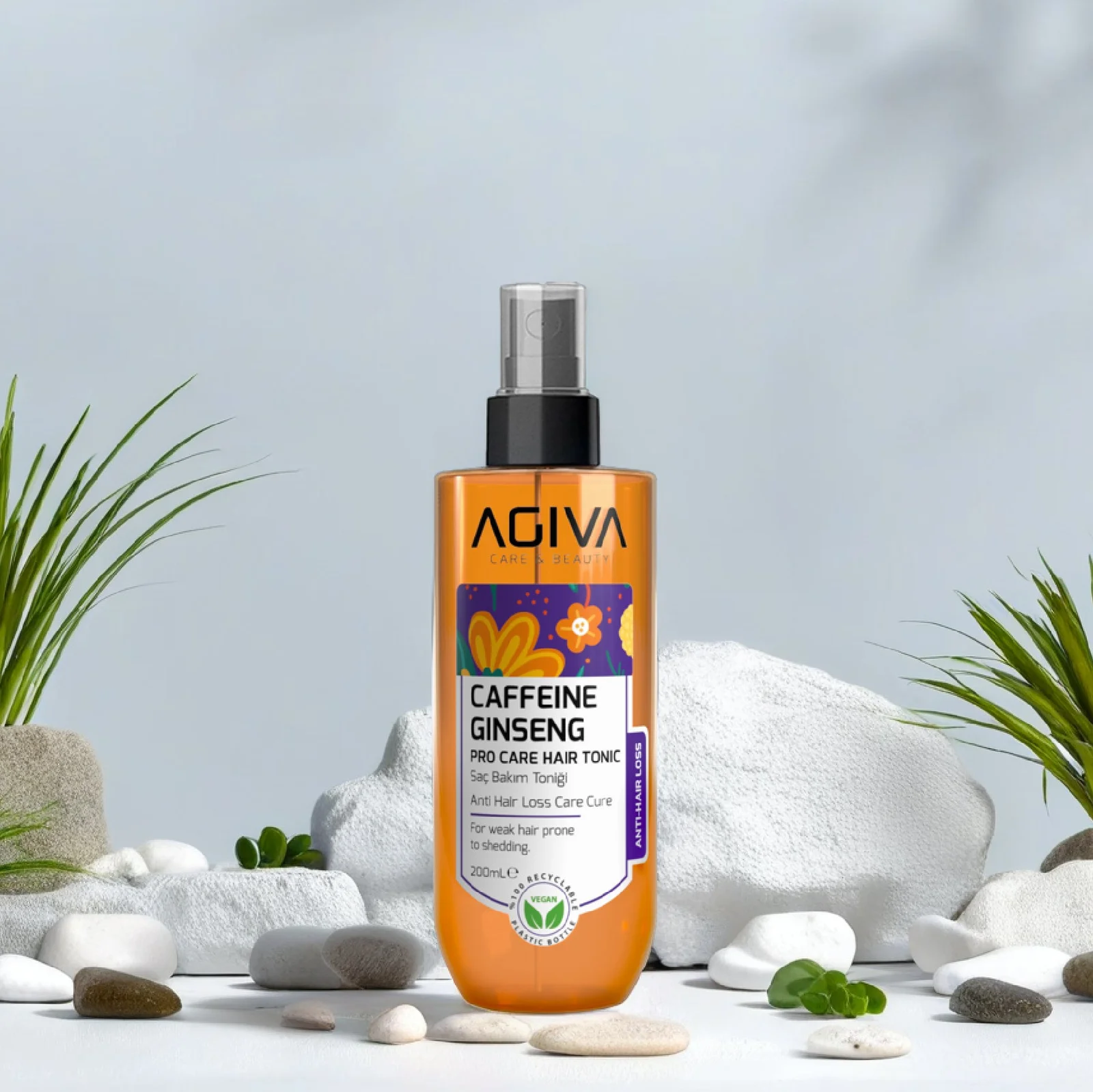
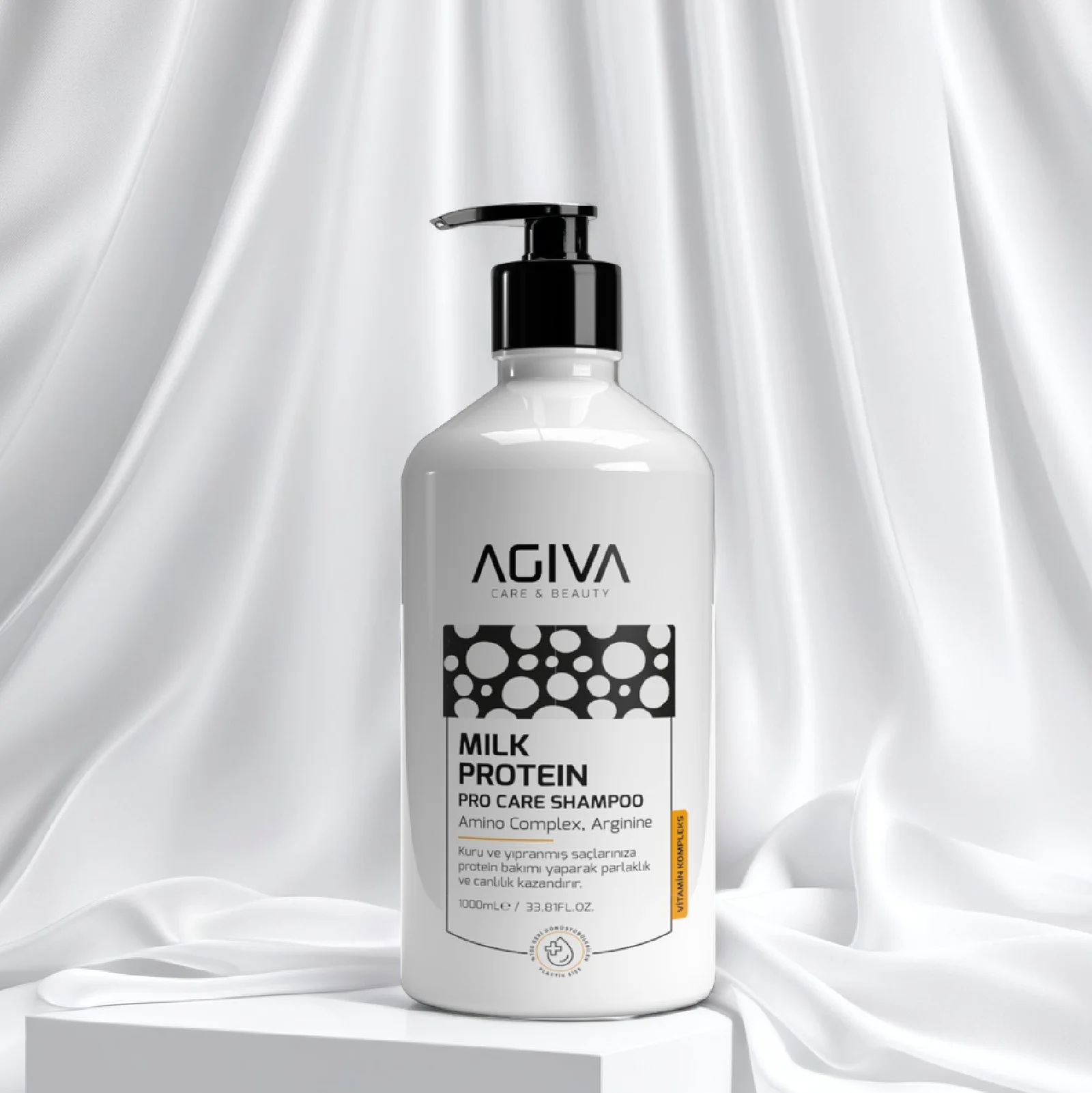
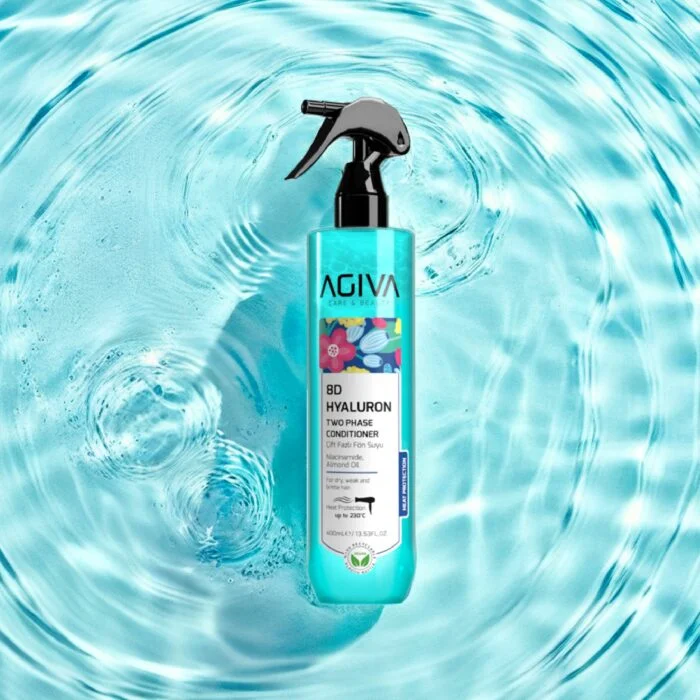
- Check the full Agiva range — every formula across the Caffeine Ginseng, 8D Hyaluron, Milk Protein Amino Complex, and Ylang Ylang Liposomed C lines is formulated sulfate-free, so switching formulas within the range doesn’t mean switching back to harsher cleansing.
FAQs
1. Is sulfate-free shampoo actually better than regular shampoo?
It depends on your hair type rather than being universally true. Dermatologists note that sulfate-free formulas tend to work better for dry, damaged, color-treated, curly, or sensitive scalps, while sulfate-based shampoos can still make sense for very oily hair or heavy product buildup. Neither option is inherently “better” — the right choice depends on what your specific hair and scalp need.
2. Do sulfates in shampoo cause cancer?
No. This is a persistent myth that has been directly debunked by research published in the journal Environmental Health Insights and listed in the US National Library of Medicine. Dermatologists confirm there is no credible scientific evidence linking sulfates in shampoo to cancer risk — the real concern with sulfates is dryness and irritation for certain hair types, not safety.
3. Why does sulfate-free shampoo matter more in Pakistan specifically?
Hard water, common in cities like Karachi, Lahore, and Islamabad, interacts with sulfate-based surfactants in ways that can compound dryness and mineral buildup on the hair and scalp. For hair that’s already dealing with hard water stress, a sulfate-free formula removes one additional source of dryness, making the switch more impactful than it might be in areas with softer water.
4. How do I know if a shampoo is genuinely sulfate-free?
Check the ingredient list for sodium lauryl sulfate (SLS) or sodium laureth sulfate (SLES) by name, since front-label claims aren’t always fully accurate. A genuinely sulfate-free formula also typically produces noticeably less foam than a sulfate-based one, though checking the ingredient list is the more reliable method.
5. Is sulfate-free shampoo good for color-treated hair?
Yes, generally. Sulfates can strip color pigment along with natural oils, which means color-treated hair tends to fade faster with regular sulfate-based washing. A sulfate-free formula is one of the more evidence-backed choices for anyone trying to protect a fresh color treatment for longer.
6. Will sulfate-free shampoo clean my hair as well as a regular shampoo?
It cleans effectively, just differently. Sulfate-free formulas use alternative surfactants that remove dirt and oil without the intense foaming action sulfates produce, so the lack of heavy lather doesn’t mean the product is cleaning less thoroughly — it simply feels different during use.
Final Verdict
The real answer to whether sulfate free shampoo Pakistan buyers should choose isn’t “always” or “never” — it’s “it depends on your hair, your scalp, and increasingly, your water.” Sulfates aren’t the dangerous ingredient the internet sometimes makes them out to be, but they are a strong cleanser that isn’t the right fit for every hair type, and Pakistan’s hard water in many major cities tips that balance further toward sulfate-free for a lot of people.
If your hair leans dry, damaged, color-treated, or sensitive, a sulfate-free switch is genuinely worth trying. If you’re dealing with oily roots and heavy product buildup, don’t feel pressured to abandon a stronger cleanser just because a label trend says so.
Curious what a sulfate-free routine actually feels like? Every formula across Agiva’s Hair Shampoo range at agivabeauty.pk is sulfate-free by design, so you can switch without guessing which bottle actually delivers on the claim.