

Open most Pakistani bathroom cabinets and you’ll find a shampoo, maybe a rinse-out conditioner, and not much else. That gap is exactly where a two phase hair conditioner quietly earns its place — it’s the step most routines skip, and honestly, the one that does the most work for the least effort.
If you’ve never used one, the name alone probably raises questions. What does “two phase” even mean? Do you rinse it out? Is it just a fancy hair spray? This guide answers all of that in plain terms — how the format actually works, why it suits Pakistani hair and climate specifically, and how to pick between formulas depending on whether your hair is dry, weak, color-treated, or shedding more than it should.
Table of Contents
- What Is a Two Phase Hair Conditioner, Exactly?
- Leave-In vs. Rinse-Out Conditioner: What’s the Real Difference?
- Why Pakistani Hair Needs One
- How to Use a Two Phase Conditioner (Step-by-Step)
- Choosing the Right Formula for Your Hair Concern
- Two Phase Conditioner Comparison: Agiva’s Four Formulas
- Common Mistakes People Make With Leave-In Conditioners
- Expert Tips for Getting the Most Out of It
- FAQs
- Final Verdict
What Is a Two Phase Hair Conditioner, Exactly?
A two phase hair conditioner is a leave-in spray made of two separate layers — an oil (or silicone-based) phase and a water phase — sitting on top of each other inside a clear bottle. You can usually see the split with the naked eye before you shake it. Once shaken, the two phases mix into a light, temporary blend that’s sprayed directly onto the hair and never rinsed out.
This isn’t a new invention dressed up with a trendy name. Two-phase, or “biphasic,” formulas have been used in professional and salon-grade hair care for years precisely because they solve a problem single-phase conditioners struggle with: delivering oil-based nourishment and water-based lightness in the same product, without the heavy, greasy finish that comes from oil-only leave-ins.
In practice, that means you get:
- Instant detangling, since the oil phase coats and smooths the hair shaft
- Lightweight hydration, from the water phase, without a sticky or weighed-down feel
- A no-rinse routine — spray, comb through, and style, with nothing to wash out later
Leave-In vs. Rinse-Out Conditioner: What’s the Real Difference?
This is the question that trips most people up, and it’s a fair one — both products are technically “conditioners,” but they’re built to do different jobs.
A rinse-out conditioner is applied after shampooing, left on for a minute or two, then washed out. Its job is to smooth the cuticle, replace some of the moisture and slip that shampooing strips away, and prepare hair for detangling — but its effects are largely gone once you towel dry.
A leave-in, two-phase conditioner picks up exactly where that leaves off. Applied to towel-dried or damp hair after washing, it stays in the hair through the rest of the day (or until the next wash), continuing to ease detangling, add lightweight moisture, and offer a layer of protection against heat styling and environmental stress.
Neither replaces the other. A rinse-out conditioner resets the hair after cleansing; a two-phase leave-in protects and manages it for everything that happens afterward — brushing, drying, styling, and the hours your hair spends out in the world.
Why Pakistani Hair Needs One
Here’s the part that matters most for anyone living and styling their hair in Pakistan specifically: the everyday conditions here put a lot of mechanical and environmental stress on hair, and a two-phase conditioner directly addresses several of the biggest ones.
- Wet hair is genuinely more fragile. According to Dr. Timothy Schmidt, a dermatologist at University of Utah Health, water temporarily weakens hair’s protein structure, making strands more elastic and far easier to stretch and snap during combing. In a country where daily washing is common and hair often gets detangled while still damp, that’s a real, everyday risk — one a leave-in conditioner is specifically designed to reduce.
- Humidity and hard water are constant factors. Between monsoon-season humidity and mineral-heavy tap water in cities like Karachi, Lahore, and Islamabad, hair tends to dry out, frizz up, and tangle more than it would in milder conditions.
- Heat styling is part of daily life for many. Blow-drying, straightening, and salon treatments are routine for a lot of Pakistani women, and a two-phase spray applied beforehand adds a layer of protection those tools would otherwise strip away unprotected.
- Long hair is the norm for a large share of the audience, and longer lengths are simply more prone to dryness, tangling, and breakage at the ends than shorter styles — exactly where a leave-in spray does its best work.
Put simply: it’s not an extra step for the sake of having more products in your routine. It directly answers problems that are already common here.
How to Use a Two Phase Conditioner (Step-by-Step)
The format is genuinely simple, but a few small details make the difference between it working well and barely doing anything.
| Step | What to Do |
|---|---|
| 1. Shake well | Shake the bottle thoroughly to blend the oil and water phases before every use |
| 2. Apply to towel-dried or damp hair | Spray after washing, once hair is towel-dried rather than dripping wet |
| 3. Target mid-lengths to ends | Focus application away from the roots, where oil buildup shows fastest |
| 4. Comb through | Use a wide-tooth comb to distribute the product and detangle gently |
| 5. Do not rinse | Leave it in — this is a leave-in product by design |
| 6. Style as usual | Blow-dry, straighten, or air-dry as you normally would |
That’s the entire routine — no waiting time, no extra rinsing step, no real learning curve.
Choosing the Right Formula for Your Hair Concern
Not every two-phase conditioner is built for the same problem, and this is where most generic advice online falls short — it treats the format as one-size-fits-all when the active ingredients inside actually vary quite a bit by brand and formula.
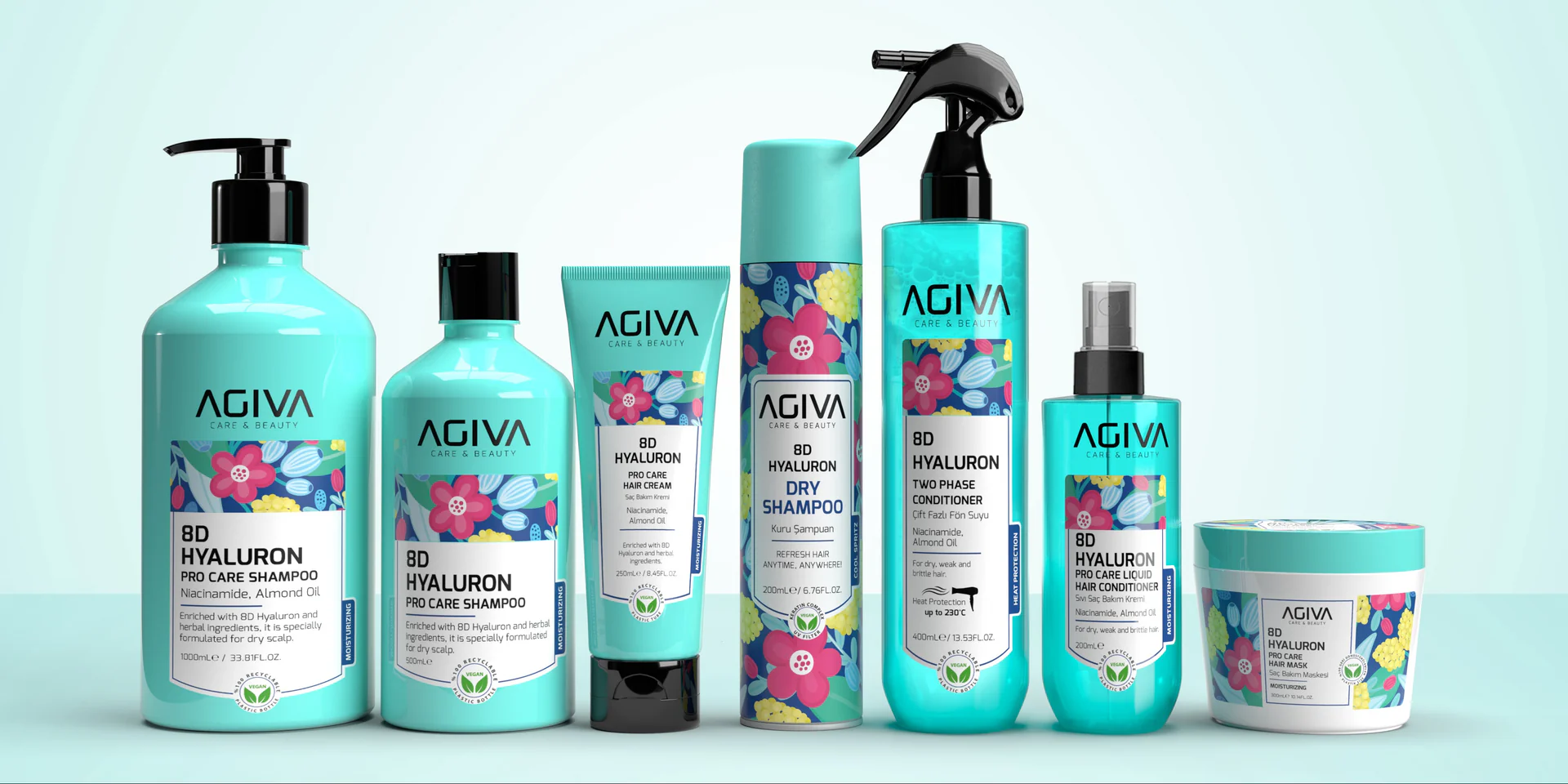
- If your hair is dry, dehydrated, or feels rough, look for a formula built around deep hydration — hyaluronic acid–based formulas are designed specifically to restore moisture without heaviness.
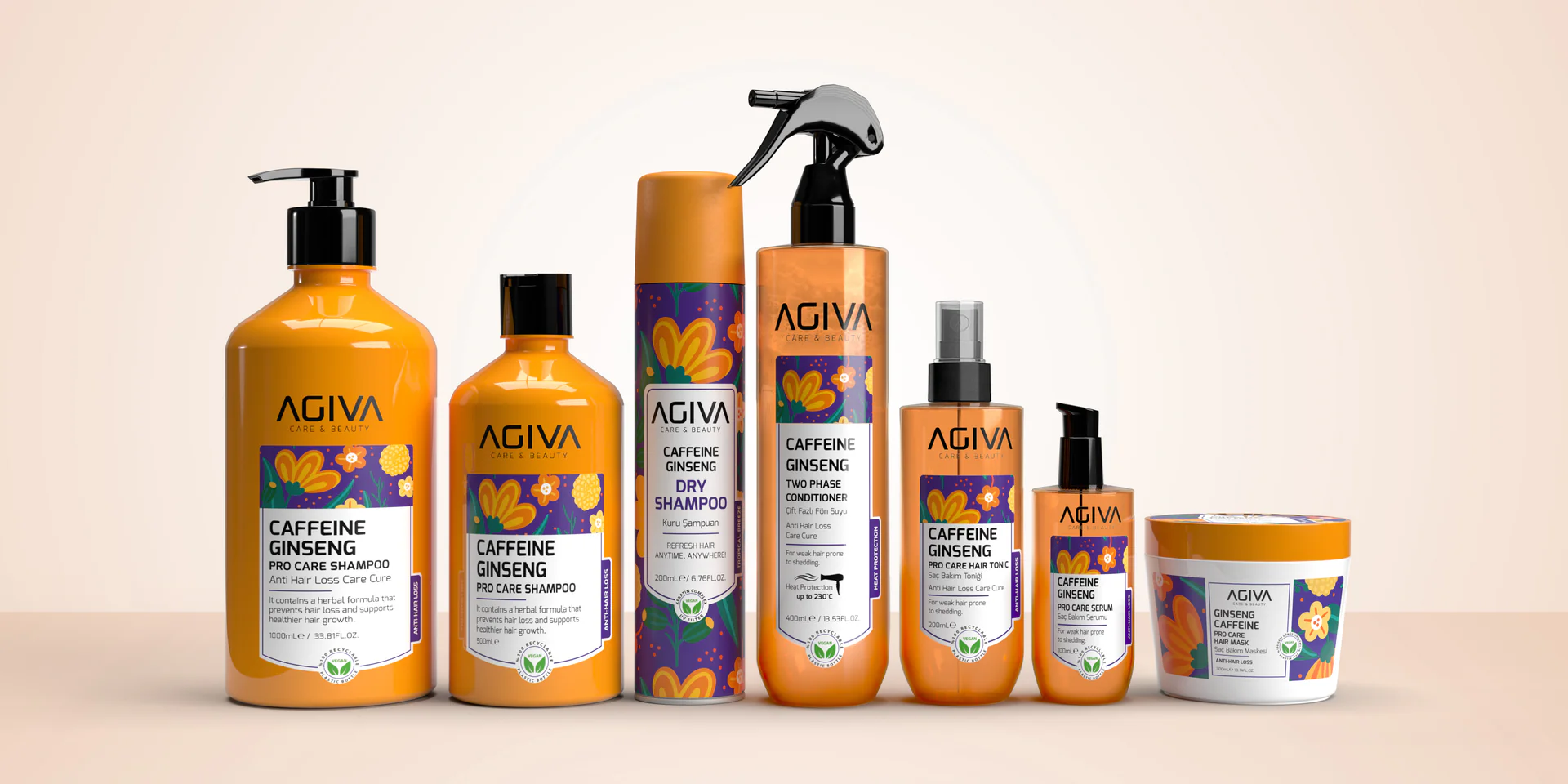
- If you’re dealing with hair fall, thinning, or a scalp that needs support, a formula built around scalp-active ingredients like caffeine and ginseng does more than a purely cosmetic conditioner would.
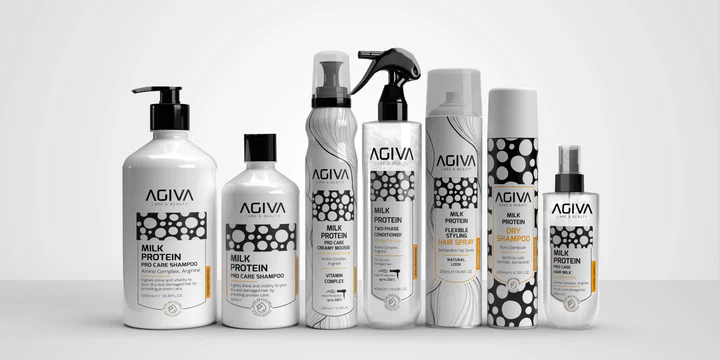
- If your hair feels weak, brittle, or chemically damaged, protein-based formulas work to reinforce the internal hair structure rather than just coating the surface.
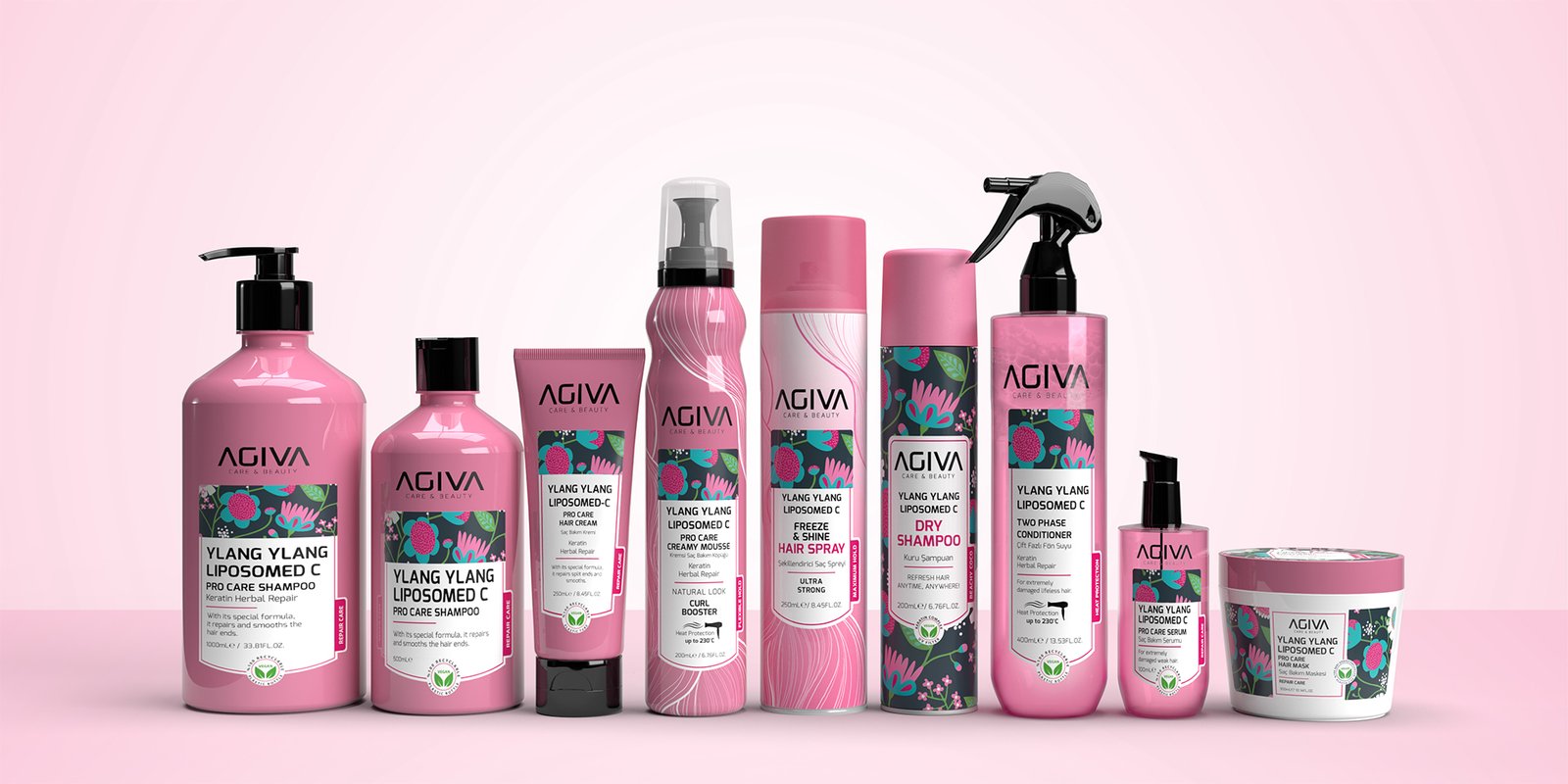
- If your hair is color-treated, dull, or prone to frizz, an antioxidant-rich formula helps protect color vibrancy and calm flyaways.
Two Phase Conditioner Comparison: Agiva’s Four Formulas
Agiva’s Pro Care range includes four two-phase conditioners, each built around a different active ingredient set for a different hair concern. Here’s how they compare side by side.
| Formula | Key Actives | Best For | Ideal User |
|---|---|---|---|
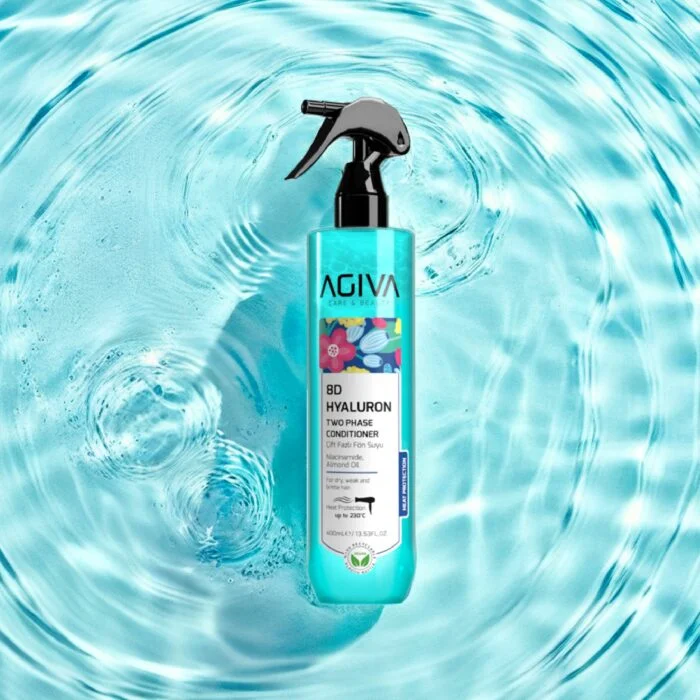
| 8D Hyaluron Two Phase Conditioner | Hyaluronic acid, niacinamide, almond oil, omega 6 | Dry, dehydrated hair | Anyone dealing with hard-water dryness or general dehydration |
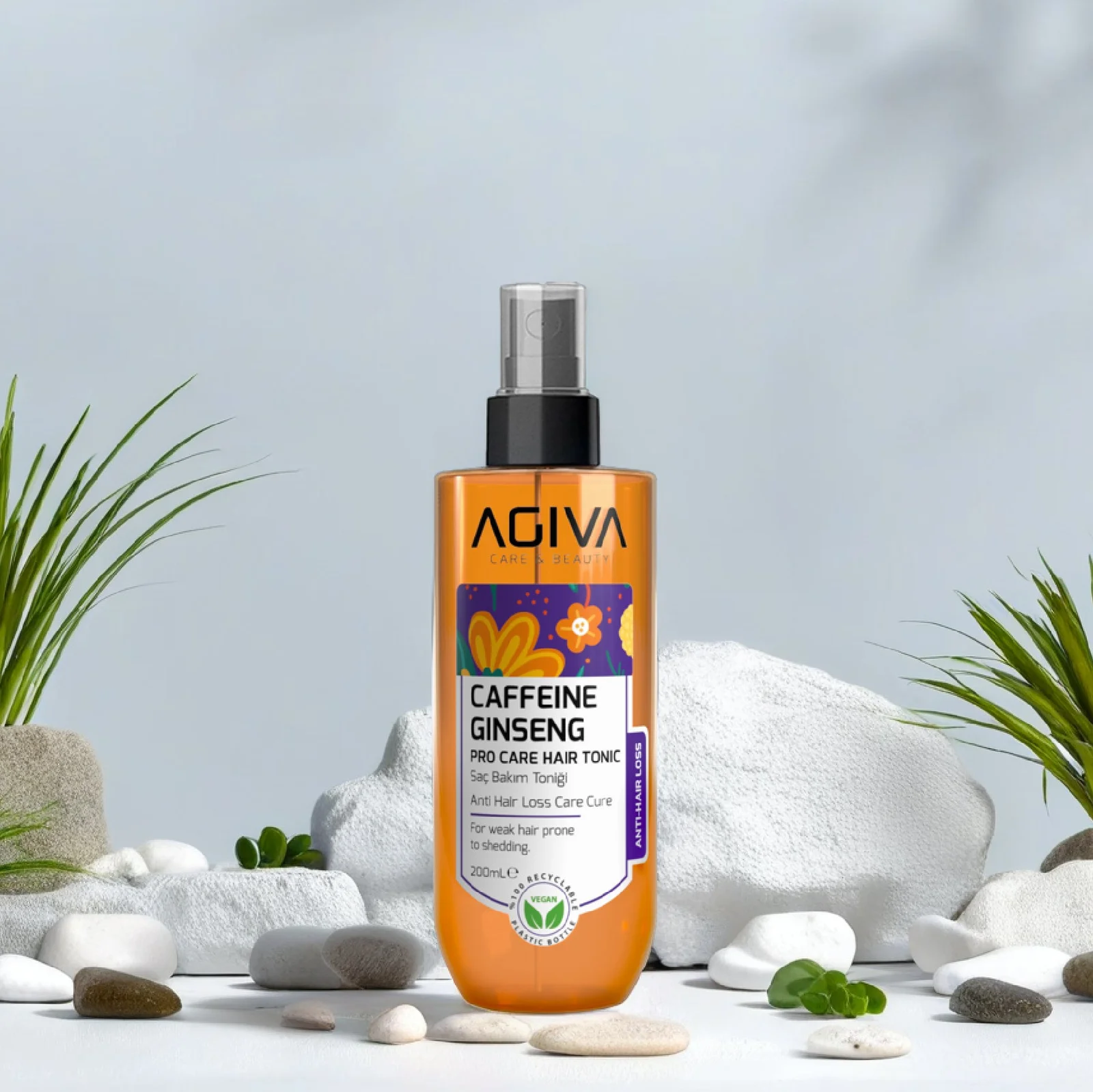
| Caffeine Ginseng Two Phase Conditioner | Caffeine, ginseng extract | Hair fall, thinning, weak roots | Anyone already using a hair-fall shampoo or tonic routine |
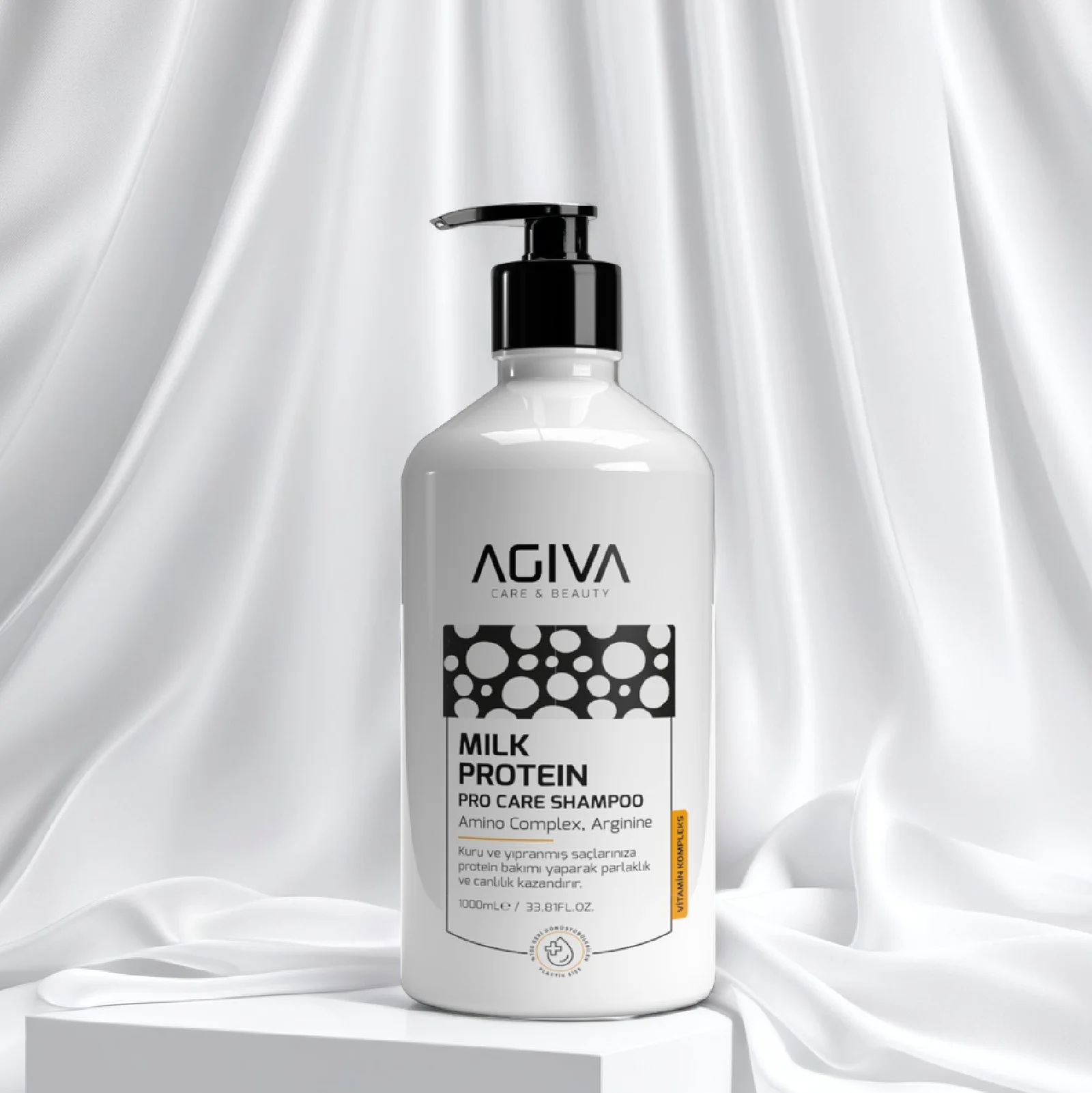
| Milk Protein Amino Complex Two Phase Conditioner | Milk protein, amino acids | Damaged, chemically-treated, weak hair | Anyone recovering from heat styling, bleach, or keratin treatments |
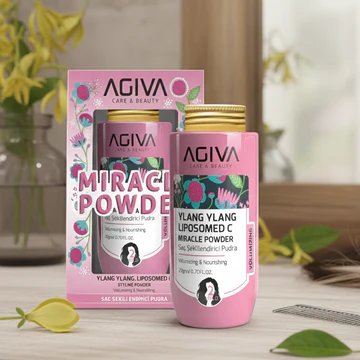
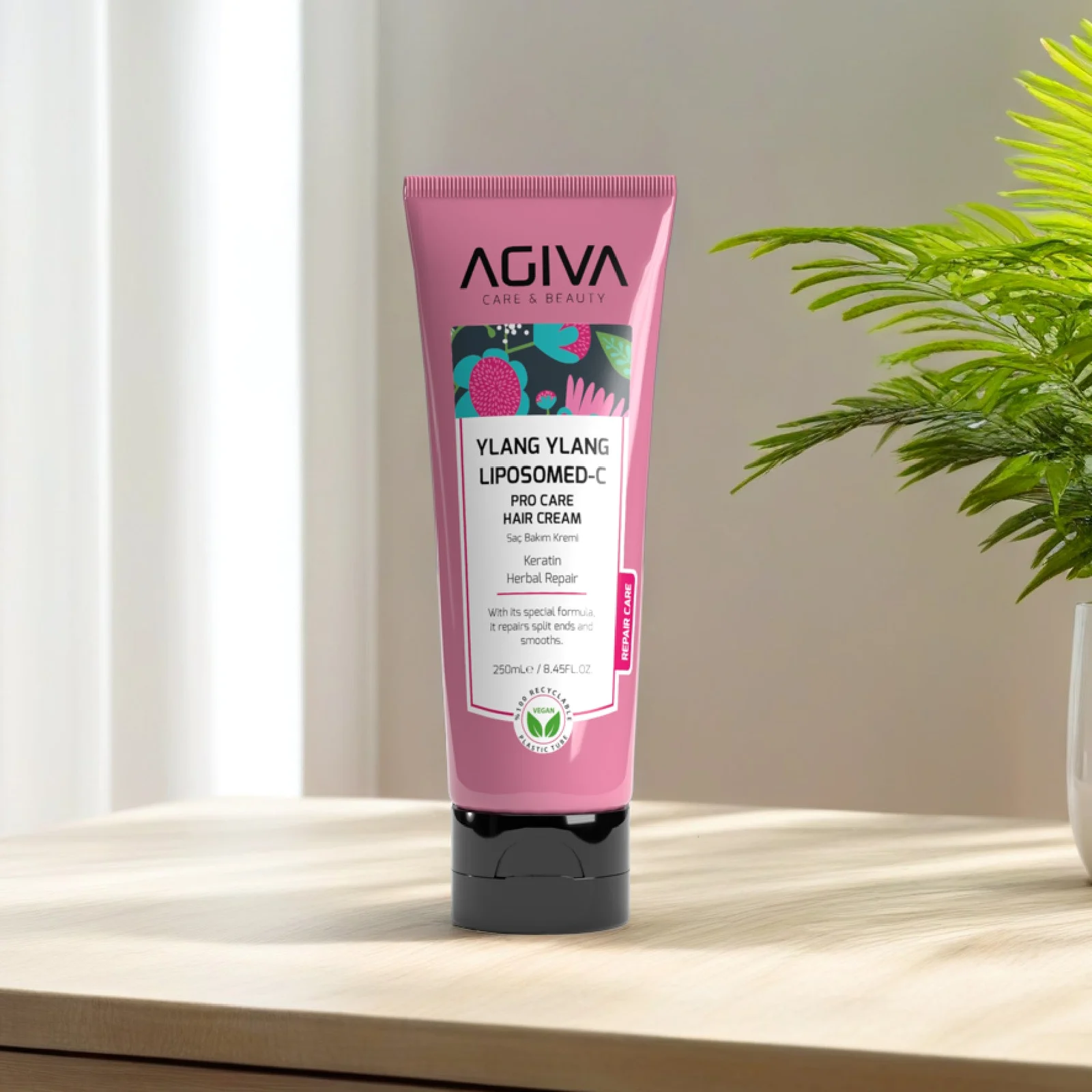
| Ylang Ylang Liposomed C Two Phase Conditioner | Ylang ylang extract, liposomed Vitamin C | Color-treated, dull, frizzy hair | Anyone protecting color vibrancy or fighting humidity frizz |
All four share the same core format — 400ml, leave-in, no-rinse, paraben-free, vegan, and sulfate-free — so the real decision comes down to matching the active ingredients to what your hair actually needs, not the format itself.
Common Mistakes People Make With Leave-In Conditioners
- Applying to soaking wet hair instead of towel-dried hair. Too much water dilutes the formula and makes it harder to distribute evenly.
- Spraying directly onto the roots. This is a mid-length-to-ends product; root application just adds unnecessary weight and can look greasy.
- Skipping the shake step. Without shaking, you’re applying an unbalanced mix of oil and water instead of the intended blend.
- Treating it as a substitute for rinse-out conditioner. The two work together, not in place of each other, particularly for very dry or damaged hair.
- Using a fine-tooth comb or regular brush on wet hair. Even with a leave-in applied, a wide-tooth comb causes far less breakage on fragile, wet strands.
Expert Tips for Getting the Most Out of It
- Apply within a few minutes of towel-drying, while hair still holds some moisture — this helps the product distribute more evenly.
- Pair it with a matching hair mask once or twice a week from the same line for a more complete routine — Agiva’s hair mask collection mirrors the same four formulas.
- Don’t overspray. A few pumps focused on mid-lengths and ends is enough — more product doesn’t equal more benefit, just more weight.
- Use it before heat styling, not just after washing — the lightweight barrier it creates helps reduce direct heat exposure to the hair shaft.
- Match it to your rinse-out conditioner and shampoo from the same product line for a genuinely complementary routine rather than mixing actives that work against each other.
FAQs
1. What is a two phase hair conditioner used for?
A two phase hair conditioner is a leave-in spray designed to detangle hair, add lightweight hydration, and protect against heat and environmental damage — all without rinsing out. It’s applied after shampooing, on towel-dried or damp hair, and left in through the rest of your styling routine.
2. Do I still need a regular conditioner if I use a two phase spray?
Yes, in most cases. A rinse-out conditioner works during the wash to smooth the cuticle and restore slip after shampooing, while a two-phase leave-in continues that work afterward — detangling, protecting, and adding shine through the day. They’re complementary steps, not substitutes for each other.
3. How do I use a two phase conditioner correctly?
Shake the bottle well to blend the oil and water phases, then spray it onto towel-dried or damp hair, focusing on the mid-lengths and ends rather than the roots. Comb through with a wide-tooth comb to distribute it evenly, and don’t rinse — style your hair as usual afterward.
4. Is a two phase hair conditioner suitable for oily hair?
Yes, as long as you apply it correctly. Since the formula is meant for mid-lengths and ends rather than the scalp, it shouldn’t add oiliness at the roots. Lightweight, non-greasy formulas — like Agiva’s caffeine and ginseng-based option — are specifically built to hydrate without weighing oily hair down.
5. Why do Pakistani hair care routines specifically benefit from a two phase conditioner?
Hard water, high humidity, frequent heat styling, and generally longer hair lengths all put extra strain on hair in Pakistan. A two-phase leave-in conditioner directly addresses the resulting dryness, frizz, and detangling difficulty, on top of reducing the mechanical breakage risk that comes from combing hair while it’s still wet and at its most fragile.
6. Can I use a two phase conditioner every day? Yes, most formulas are lightweight enough for daily use, especially since they’re designed not to build up or leave heavy residue. If your hair is particularly fine or already prone to oiliness, you may prefer using it after every wash rather than daily, adjusting based on how your hair responds.
Final Verdict
A two phase hair conditioner isn’t a complicated addition to your routine — it’s a genuinely simple one that happens to solve several problems at once: detangling, lightweight hydration, and daily protection, all in a single no-rinse spray. For hair dealing with Pakistan’s hard water, humidity, and heat-styling habits, that combination does real, everyday work that a rinse-out conditioner alone can’t fully cover.
The right formula depends on what your hair actually needs — hydration, strength, scalp support, or color protection — but the format itself is worth adding to almost any routine.
Ready to find your match? Browse Agiva’s full Hair Conditioner range at agivabeauty.pk and pick the two-phase formula built for your specific hair concern.