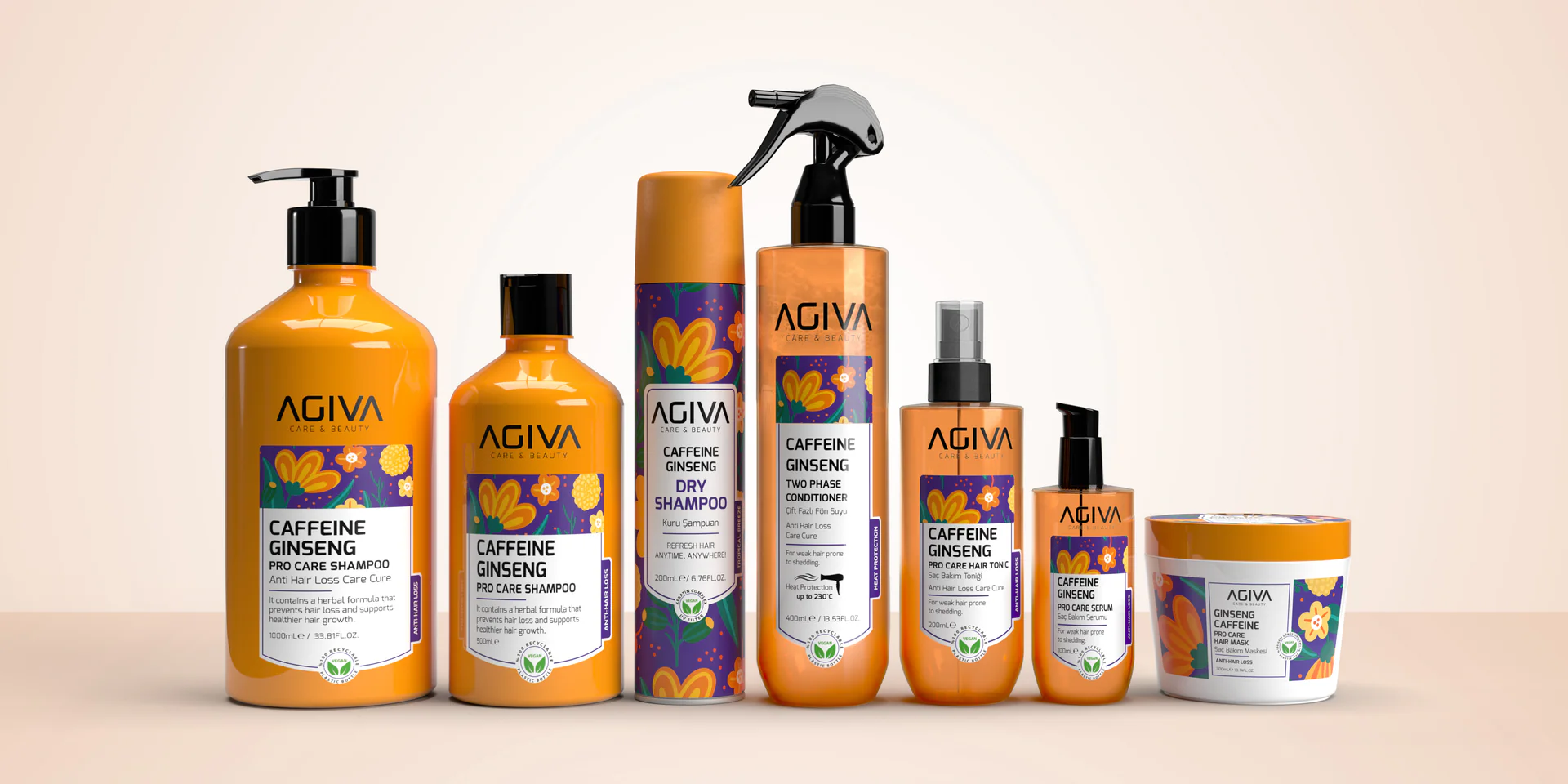
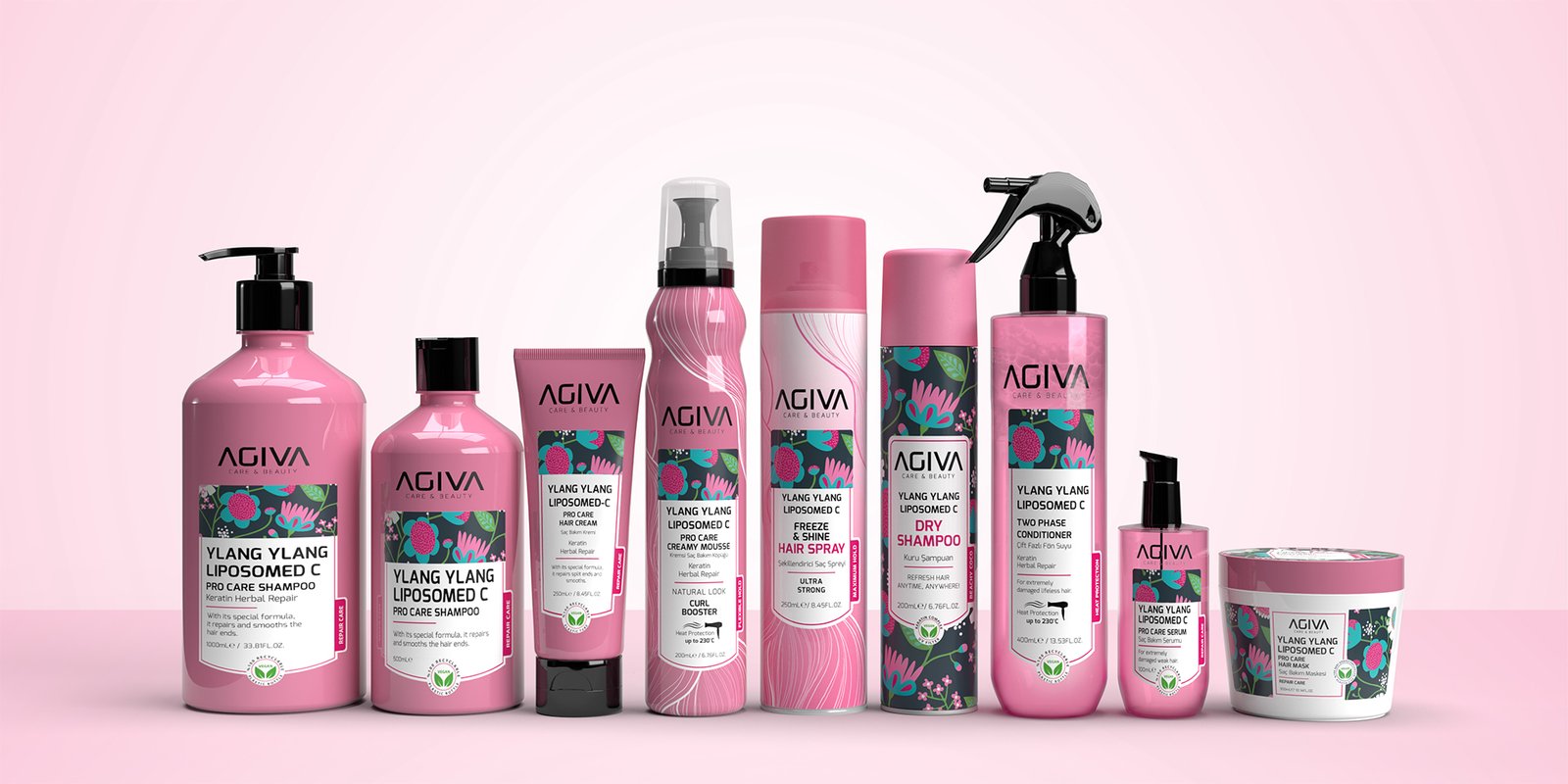
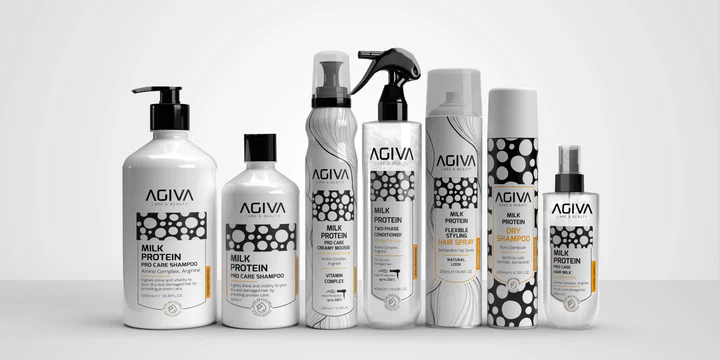
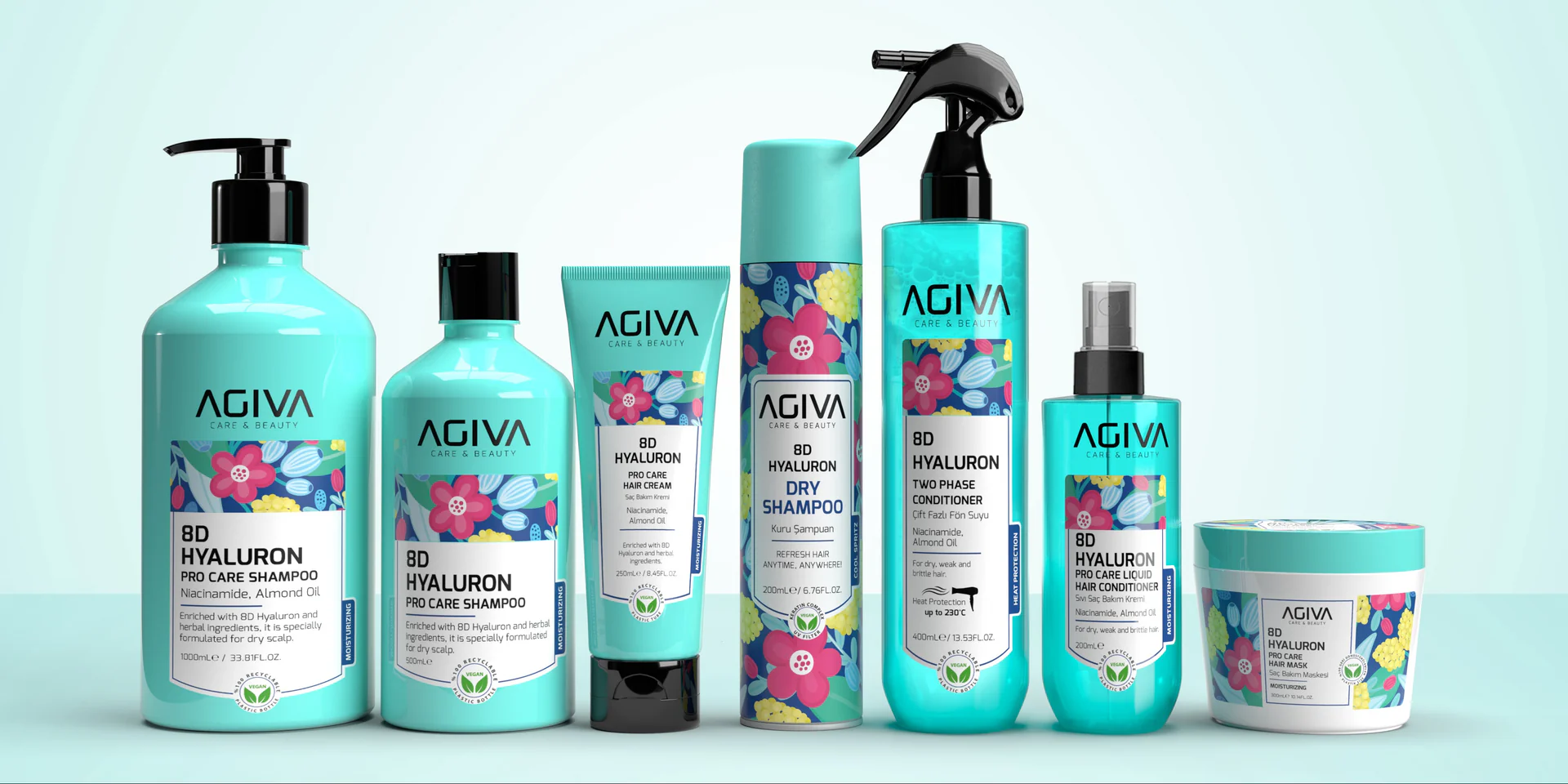
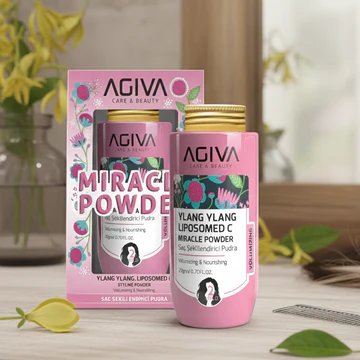
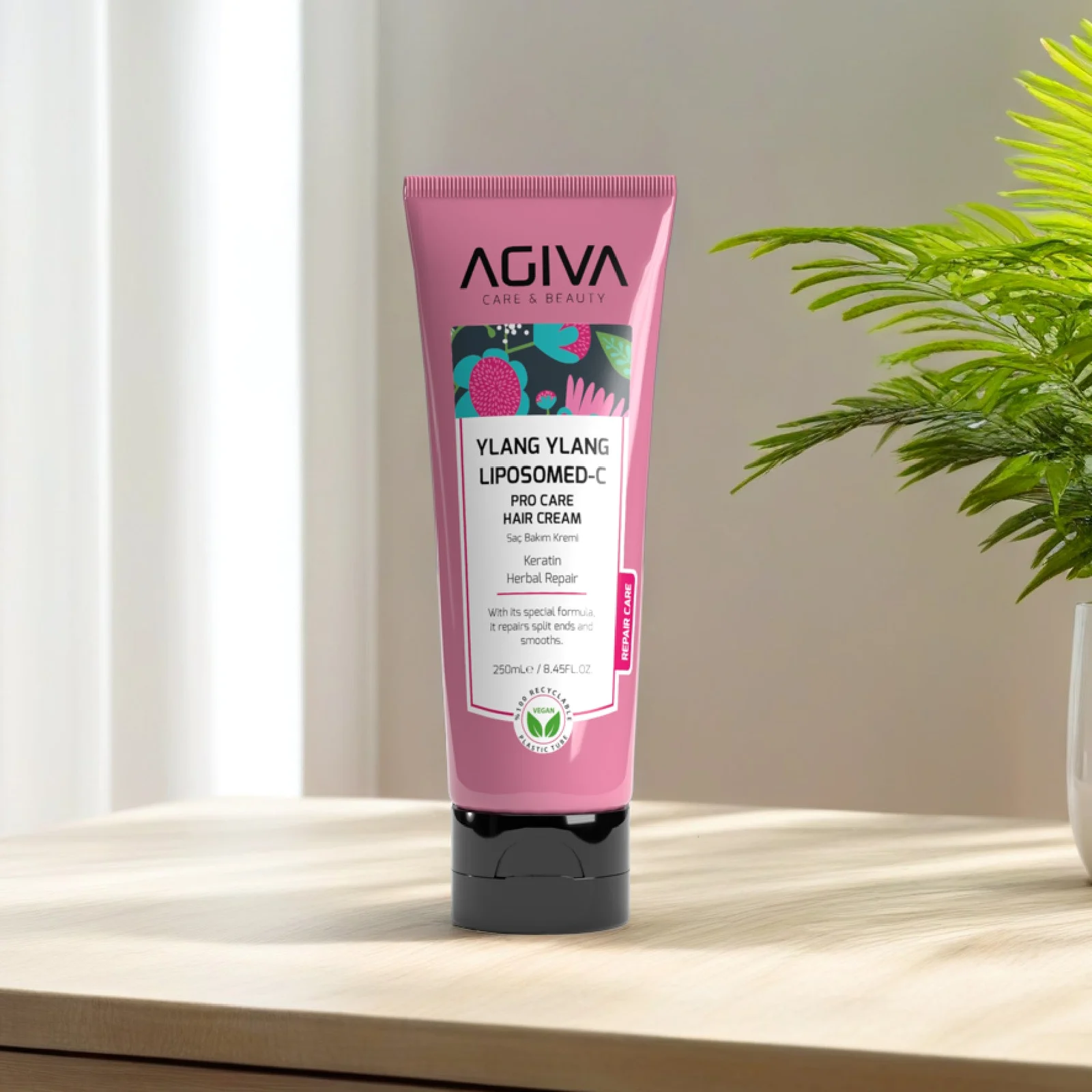
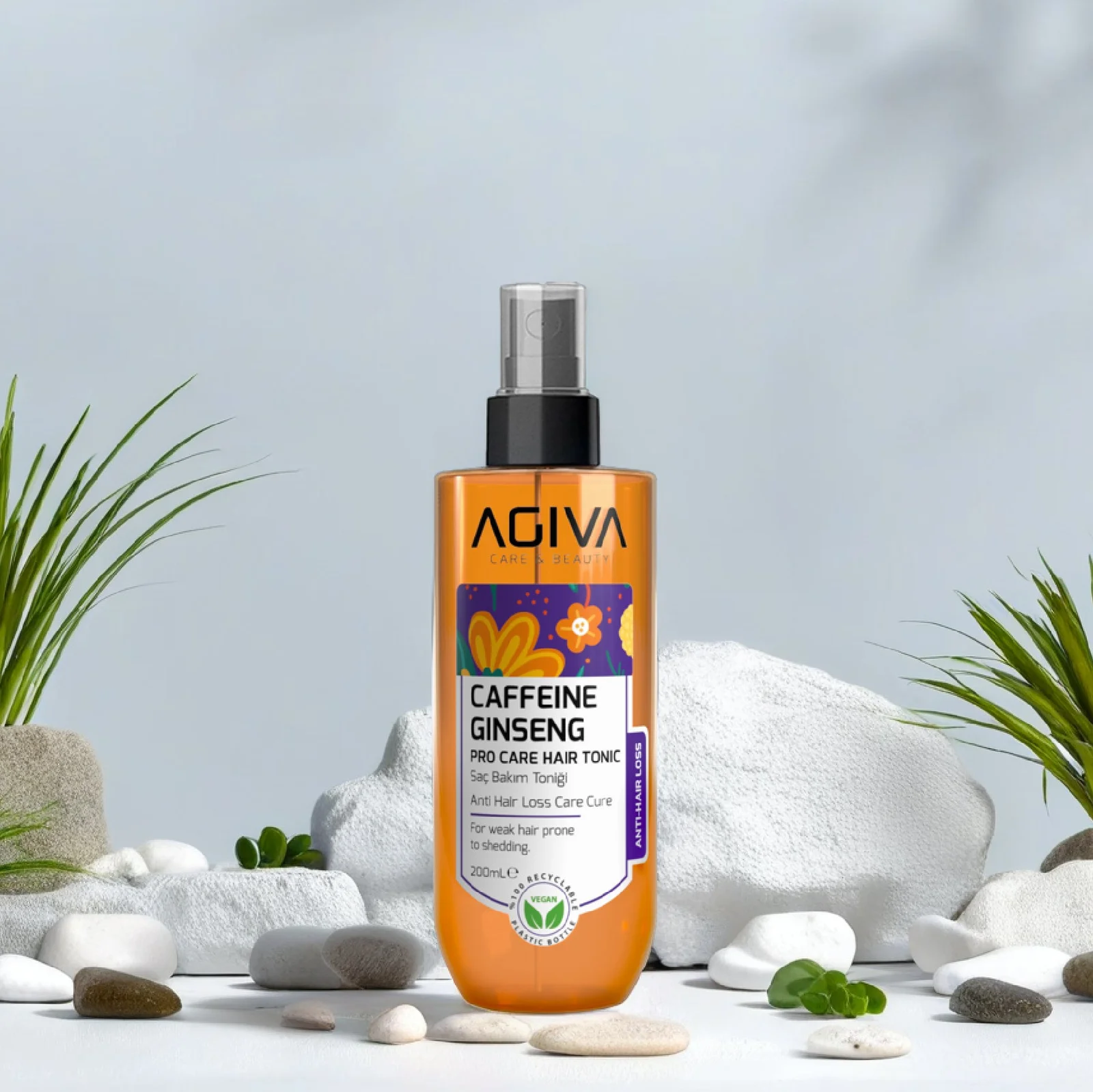
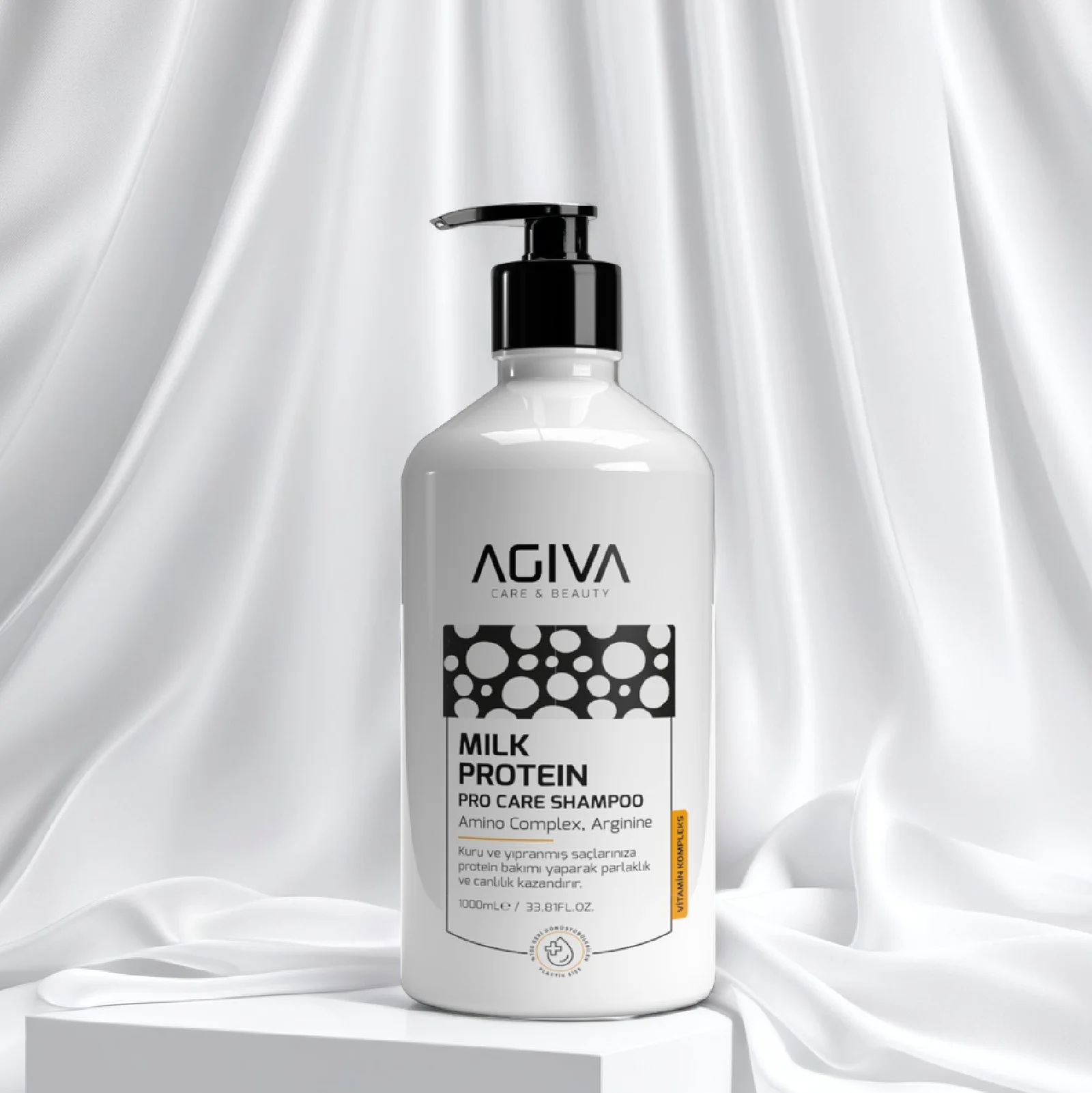
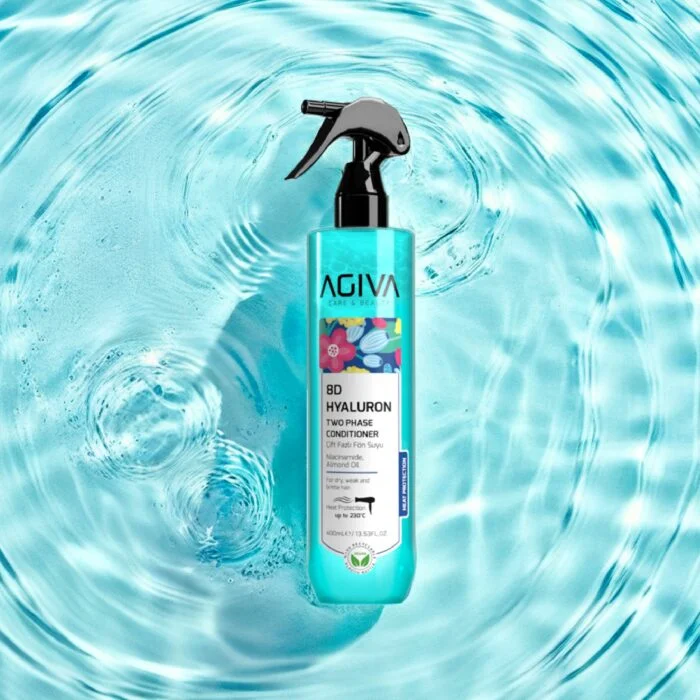
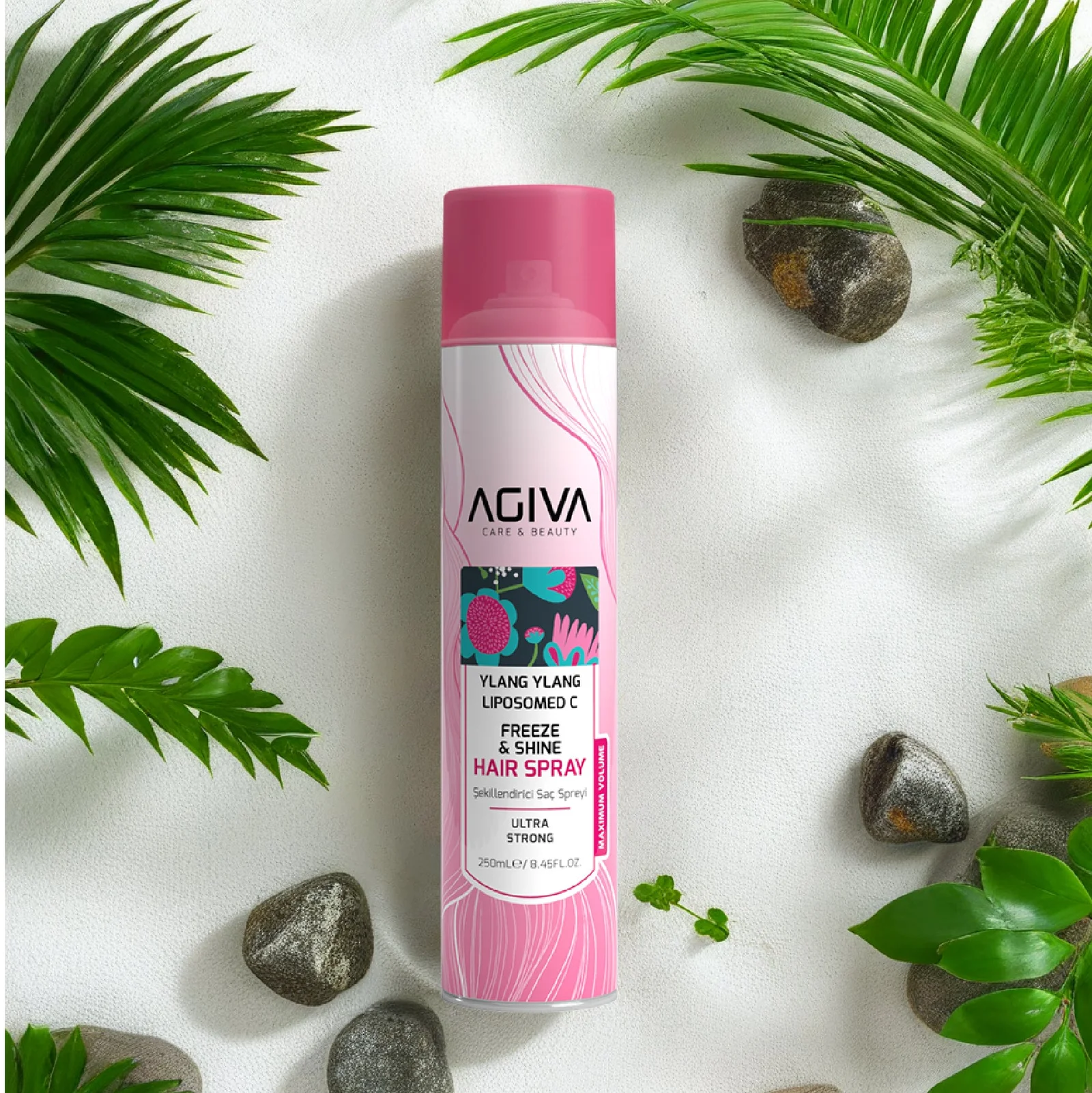


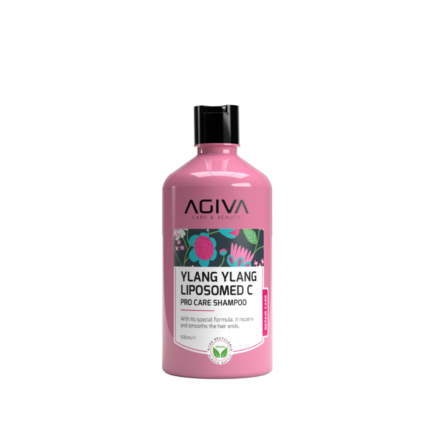
Chances are you’ve used the same shampoo for years without ever really questioning it. Squeeze, lather, rinse, repeat — no thought required. But here’s a question worth asking: what if that loyalty is actually working against your hair? A well-formulated Ylang Ylang Liposohttps://agivabeauty.pk/product/agiva-ylang-ylang-liposomed-c-shampoo-1000ml-for-hair-care/med C Shampoo — built around real botanical extracts and a delivery system borrowed from pharmaceutical research — can change that routine entirely.
This isn’t a case of pretty packaging and a nice scent doing the marketing for a mediocre formula. There’s genuine science behind why ylang ylang oil, liposome technology, and Vitamin C belong in the same bottle. In this guide, we’ll unpack what each ingredient actually does, how liposome delivery works, who this shampoo is built for, and how to use it so you get results instead of just a nice smell in the shower.
Why Most Shampoos Stop at “Clean”
Most bottles on a pharmacy shelf are built around the same core recipe: water, a surfactant to create lather, fragrance, and a preservative. That combination cleans hair perfectly well — but cleaning and caring for hair aren’t the same thing.
A basic shampoo removes oil, dirt, and product buildup, then rinses away. It doesn’t address sebum imbalance, oxidative damage from pollution and UV exposure, or a scalp that’s crying out for actual nourishment rather than just a wash.
That’s the gap a proper liposome shampoo technology formula is designed to close — delivering active ingredients where they can actually do something, instead of washing straight down the drain.
What Is Ylang Ylang, and Why Is It in Your Shampoo?
Ylang ylang (pronounced ee-lang ee-lang) comes from the flowers of the Cananga odorata tree, native to tropical parts of Asia. Traditional beauty rituals have relied on it for centuries, and modern formulation science is now catching up to explain why.
Research published in the Asian Pacific Journal of Tropical Biomedicine points to active compounds in ylang ylang oil — including linalool and benzyl benzoate — that carry antimicrobial and scalp-soothing properties. For anyone dealing with a dry, irritated scalp or dull-looking strands, that’s genuine functional benefit, not just a pleasant fragrance.
In a well-formulated Ylang Ylang Liposomed C Shampoo, this oil typically helps to:
- Regulate sebum (oil) production at the scalp
- Strengthen hair from the root outward
- Improve natural shine and softness over time
The floral scent is a nice bonus. The actual work happens underneath it.
Liposome Technology: The Part Nobody Talks About Enough
Here’s where things get genuinely interesting.
A liposomed shampoo isn’t simply a shampoo with a longer ingredient list. It relies on liposome shampoo technology — a delivery method that originated in pharmaceutical research, long before it found its way into cosmetics. Liposomes are microscopic spheres built from lipid bilayers, structurally similar to the membranes of your own cells. Instead of active ingredients sitting on the surface of your hair, liposomes wrap around them and carry them directly into the hair shaft and scalp.
A simple way to picture it: regular shampoo ingredients knock politely on your hair’s door. Liposomes let themselves in.
Research published in the International Journal of Cosmetic Science has found that liposome encapsulation meaningfully improves how well active ingredients penetrate and stay in hair care formulas. In practical terms, that means the nourishing compounds in a properly liposomed shampoo actually reach the scalp — rather than rinsing away before they’ve done anything useful.
This is the detail that separates a functional, results-driven shampoo from one that simply smells expensive.
Vitamin C Shampoo for Hair — More Than a Buzzword
Vitamin C’s reputation is built almost entirely around immune health and smoothies. So a Vitamin C shampoo for hair understandably raises an eyebrow the first time you hear about it.
Here’s the actual reasoning: Vitamin C (ascorbic acid) is a well-established antioxidant. Applied to the scalp, it helps neutralize free radicals — the kind of environmental stress caused by pollution, UV exposure, and heat styling that gradually breaks down hair structure. The American Academy of Dermatology has noted that antioxidant-rich formulas can support scalp health and reduce oxidative stress, a factor closely tied to hair thinning and dullness over time.
The catch with Vitamin C on its own is stability — it degrades quickly once exposed to air and water, which is exactly why plenty of “Vitamin C” products underdeliver. Delivered through a liposome shell, however, Vitamin C stays protected and stable until the moment it actually reaches your scalp. That’s what “Liposomed C” on a Pro Care label is really telling you: the Vitamin C inside is still active when it matters, not already oxidized into uselessness before it left the bottle.
Ylang Ylang Liposomed C Shampoo: What Makes It a True Pro Care Formula
Walk into any pharmacy and you’ll find dozens of shampoos that all promise the same vague things. Most share that identical base recipe — water, surfactant, fragrance, preservative — with very little differentiating one bottle from the next.
A genuine Ylang Ylang Liposomed C Shampoo built to Pro Care standards goes further. It’s formulated with higher concentrations of active ingredients, uses an advanced delivery system, and targets specific scalp and hair concerns rather than offering a one-size-fits-all clean. “Pro Care” isn’t just a label here — it reflects a professional-grade formulation approach.
Choosing the Right Ylang Ylang Liposomed C Shampoo for Your Hair Type
Professional-grade formulas in this category typically share three traits worth checking for on any label:
- pH-balanced. Hair is happiest at a slightly acidic pH of roughly 4.5–5.5. Many drugstore shampoos run too alkaline, which opens the hair cuticle and invites frizz and breakage.
- Light on harsh surfactants. Sodium lauryl sulfate (SLS) cleans effectively but can strip natural oils when it’s overused or too concentrated.
- Genuinely concentrated. A smaller amount does more work per wash, which changes how you should think about bottle size entirely.
Why the 500ml Bottle Actually Makes Sense
A 500ml bottle looks large sitting on a bathroom shelf, but there’s real logic behind that size — especially with a concentrated, professional-grade formula.
Because a proper Pro Care shampoo is more concentrated than standard drugstore formulas, a small amount goes further per wash. You’re not emptying half the bottle into your palm just to build a decent lather. In practice, a 500ml bottle of a genuinely concentrated formula can last two to three times longer than a standard 250ml bottle used at typical drugstore quantities.
There’s a sustainability angle here too. The Ellen MacArthur Foundation, a well-known voice in circular economy research, has pointed out that fewer, larger packaging units can meaningfully reduce plastic waste in personal care — provided the formula inside is genuinely concentrated rather than diluted filler.
So the larger bottle isn’t just a practical choice. It’s arguably the smarter one.
Liposomed Shampoo vs. Regular Shampoo
| Feature | Liposomed Shampoo (Ylang Ylang + Vitamin C) | Regular Shampoo |
|---|---|---|
| Delivery method | Liposome encapsulation — actives reach scalp/follicle | Surface-level only |
| Key actives | Ylang ylang oil, liposomal Vitamin C | Surfactants, fragrance |
| Antioxidant protection | Yes — neutralizes free-radical damage | Minimal to none |
| Sebum regulation | Yes, via ylang ylang oil | Not typically addressed |
| Concentration | High — smaller amount needed per wash | Standard, higher usage per wash |
| Bottle efficiency | 500ml often lasts 2–3x longer | Standard usage rate |
| Best for | Dry, damaged, colour-treated, or thinning hair | General daily cleansing |
The short version: regular shampoo isn’t a bad product, it’s just built for a narrower job. If your goal is genuine scalp and strand health rather than surface-level cleaning, the delivery system matters as much as the ingredient list.
How to Use It Correctly (Step-by-Step)
Even an excellent formula underperforms with poor technique. Here’s how to actually get the most out of a Ylang Ylang Liposomed C Shampoo.
| Step | What to Do | Why It Matters |
|---|---|---|
| 1. Saturate hair fully | Wet hair thoroughly before applying | Liposome technology activates better on fully wet hair |
| 2. Use less than you think | A 10p coin-sized amount for medium-length hair | More product doesn’t improve results |
| 3. Massage into the scalp | Focus on the scalp, not just the lengths, for 60–90 seconds | This is where liposomes and Vitamin C do their work |
| 4. Let it sit for 2 minutes | Don’t rinse immediately | Gives active ingredients time to penetrate |
| 5. Rinse with lukewarm water | Avoid hot water | Hot water strips oils and can deactivate some actives |
Skipping step 4 is the single most common reason people don’t notice a difference — the formula needs those two minutes to actually work.
Who Should Use a Ylang Ylang Liposomed C Shampoo?
This type of formula is particularly well-suited to:
- Dry or damaged hair — ylang ylang regulates sebum and restores natural moisture to the hair shaft.
- Colour-treated hair — Vitamin C’s antioxidant properties help protect colour vibrancy and reduce oxidative fading.
- Thinning or stressed hair — liposomal delivery gets nutrients to the follicle directly, supporting a healthier growth environment from the root.
- People in urban environments — pollution is a major contributor to scalp inflammation and hair damage, and the antioxidant formula offers a daily line of defence.
If your hair runs oily at the roots but dry at the ends — a genuinely common combination — the sebum-balancing effect of ylang ylang can help even that out with consistent use.
Common Mistakes That Undercut Results
Even a well-formulated liposomed shampoo won’t perform if it’s used incorrectly. Watch out for these:
- Rinsing too fast. Skipping the 1–2 minute wait time means active ingredients don’t get the chance to absorb.
- Using too much product. More lather doesn’t equal more benefit — it just wastes a concentrated formula faster.
- Only shampooing the lengths. The scalp is where liposomes and Vitamin C actually do their job — lathering the ends alone misses the point.
- Washing with hot water. Heat can strip natural oils and reduce the stability of active ingredients.
- Expecting overnight results. Liposomal delivery builds benefits gradually — patience is part of the process, not a sign the product isn’t working.
Expert Tips for Faster, Better Results
- Pair with a matching conditioner or serum from the same line to reinforce the antioxidant and moisture benefits between washes.
- Reduce heat styling frequency where possible — UV and heat exposure are exactly the kind of oxidative stress Vitamin C is working to counter.
- Be patient through the first month. Most users notice a genuine difference in texture and scalp comfort within 3 to 4 weeks of consistent use, not after a single wash.
- Store the bottle away from direct sunlight and heat to help protect the stability of the active ingredients inside.
- Treat it like a scalp skincare routine, not a quick fix — consistency matters more than any single wash. Asian Pacific Journal of Tropical Biomedicine — for research on ylang ylang oil’s active compounds
FAQs
1. What does a Ylang Ylang Liposomed C Shampoo actually do differently? It combines ylang ylang oil’s sebum-regulating and scalp-soothing properties with liposome-delivered Vitamin C, an antioxidant that helps counter damage from pollution, UV exposure, and heat styling. The liposome technology means these actives are carried into the hair shaft and scalp instead of sitting on the surface and rinsing away, which is what separates it from a standard cleansing shampoo.
2. How long does it take to see results from this shampoo? Most people notice a genuine difference in hair texture and scalp comfort within 3 to 4 weeks of consistent use. Liposomal delivery works gradually, building benefits over time rather than delivering instant change after a single wash. Think of it as a scalp skincare routine rather than a quick fix.
3. Is Ylang Ylang Liposomed C Shampoo suitable for colour-treated hair? Yes. The antioxidant properties in the Vitamin C component help protect colour vibrancy by reducing oxidative damage, which is one of the main causes of colour fading over time. Many people with colour-treated hair specifically look for antioxidant-rich formulas like this one for that reason.
4. Why does the shampoo come in a 500ml bottle instead of a smaller size? Because the formula is concentrated, a small amount goes further per wash than a standard drugstore shampoo. In practice, this means a 500ml bottle often lasts two to three times longer than a 250ml bottle used at typical quantities, making it a more efficient and less wasteful option over time.
5. Can I use this shampoo daily? It can be used regularly, though massaging it in properly and allowing the recommended 1–2 minute sit time matters more than washing frequency alone. Many users find that using it consistently, rather than daily, still delivers the benefits of the ylang ylang and Vitamin C combination.
6. Does liposome technology in shampoo actually make a difference, or is it marketing? It’s grounded in real formulation science. Research published in the International Journal of Cosmetic Science has shown that liposome encapsulation improves how well active ingredients penetrate and remain in hair care products, rather than washing away immediately. That’s a meaningful, measurable difference — not just a marketing term.
Final Verdict
Good hair care doesn’t need to be complicated, but it does need to be intentional. A Ylang Ylang Liposomed C Shampoo built on genuine liposome delivery technology, fortified with stabilized Vitamin C, and formulated to professional-grade standards isn’t an indulgence — it’s simply a smarter choice than a basic cleansing bottle.
The science checks out, the ingredients are functional rather than decorative, and the 500ml Pro Care format means you’re investing in a formula that actually lasts. Your hair deals with heat, pollution, and daily stress — it’s reasonable to expect your shampoo to help fight back, not just rinse and repeat.
Ready to upgrade your routine? Explore the full Ylang Ylang Liposomed C Pro Care range at agivabeauty.pk and give your scalp the kind of care it’s actually been missing.