


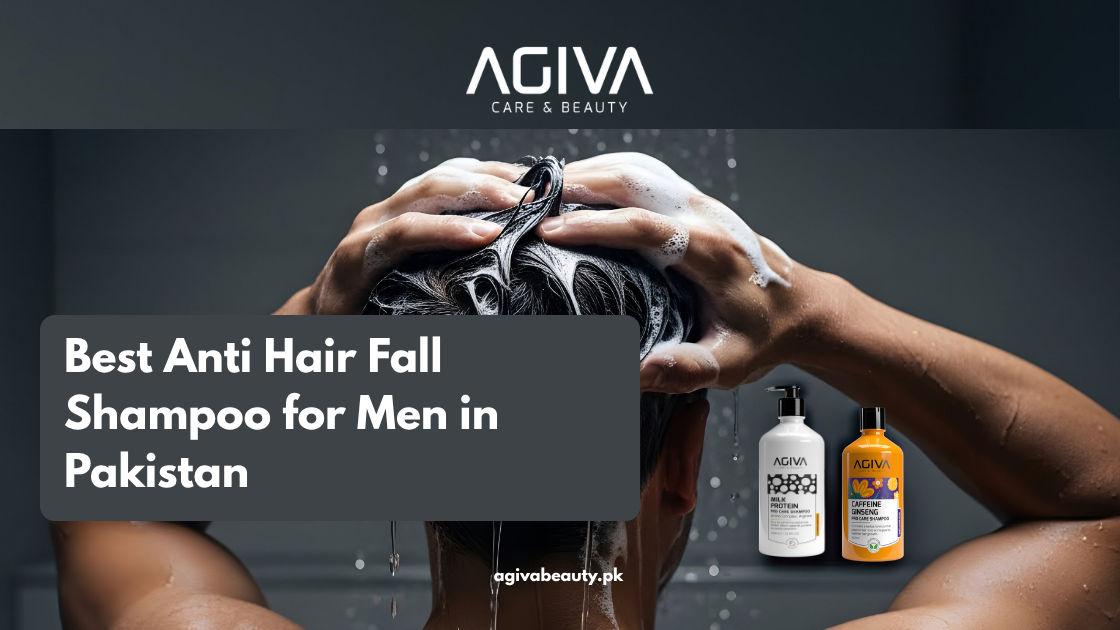
If you’ve noticed more hair on your pillow, in the shower drain, or thinning at your temples, you’re dealing with something extremely common, not something rare or alarming. Male pattern hair loss affects roughly 30% of men by age 30, rising to about 50% by age 50, according to a 2025 meta-analysis published in the journal Cancers. Finding the best anti hair fall shampoo for men in Pakistan starts with understanding what’s actually causing that shedding, since the right product depends heavily on the cause.
This guide breaks down why men experience hair fall differently than a generic “use this shampoo” answer suggests, what the research actually supports, and which specific products make sense depending on where you are in dealing with it.
Table of Contents
- Why Hair Fall Affects Men Differently
- What to Actually Look for in an Anti Hair Fall Shampoo
- Best Anti Hair Fall Shampoo for Men in Pakistan: Top Picks
- Beyond Shampoo: Building a Complete Routine
- Comparing the Picks Side by Side
- When to See a Dermatologist
- Common Mistakes Men Make When Fighting Hair Fall
- Expert Tips for Better Results
- FAQs
- Final Verdict
Why Hair Fall Affects Men Differently
Most male hair fall traces back to androgenetic alopecia — male pattern hair loss — a genetically driven, hormone-mediated process. It’s specifically linked to dihydrotestosterone (DHT), a byproduct of testosterone that gradually shrinks hair follicles over time. Unlike hair loss triggered by stress or a temporary health issue, DHT-driven thinning tends to follow a recognizable pattern: receding at the temples first, then thinning at the crown.
Locally, the picture is compounded by everyday factors. A cross-sectional study of adults in Karachi, published in the Journal of Health and Rehabilitation Research, found that hair loss was reported by more than three-quarters of participants, with stress, inconsistent hair care habits, and diet identified as leading contributing factors alongside genetics. A separate survey in the Journal of Pakistan Association of Dermatologists found that over half of adults surveyed reported daily hair fall.
None of this means hair fall is untreatable or that you’re stuck watching it progress. It means the right shampoo needs to address the actual mechanism — supporting the scalp environment DHT is working against — rather than just cleaning hair.
What to Actually Look for in an Anti Hair Fall Shampoo
Skip past the marketing language and focus on what’s genuinely backed by research:
- Caffeine — A February 2025 systematic review in the journal Healthcare, led by researchers at Jagiellonian University Medical College, reviewed nine clinical trials covering 684 people with androgenetic alopecia or excessive shedding. Every trial favored topical caffeine treatment, though it’s worth being honest that the certainty of evidence in several of those trials was rated low to very low under GRADE criteria — promising, not definitive. Caffeine is believed to penetrate the follicle and stimulate cell metabolism at the root.
- Ginseng extract — Linked in research to increased activity in dermal papilla cells, the cells at the base of the follicle that drive hair growth, along with improved scalp circulation.
- Gentle, sulfate-free cleansing — A harsh, stripping shampoo used daily can add unnecessary scalp irritation on top of what DHT is already doing.
- Consistency-friendly formulation — Since hair growth cycles are slow, the shampoo needs to be one you’ll actually use daily or near-daily for months, not something you abandon after two weeks.
Best Anti Hair Fall Shampoo for Men in Pakistan: Top Picks
Choosing the Best Anti Hair Fall Shampoo for Men in Pakistan for Your Situation
Different stages of hair fall call for different tools. Here’s how to match the product to your actual need.
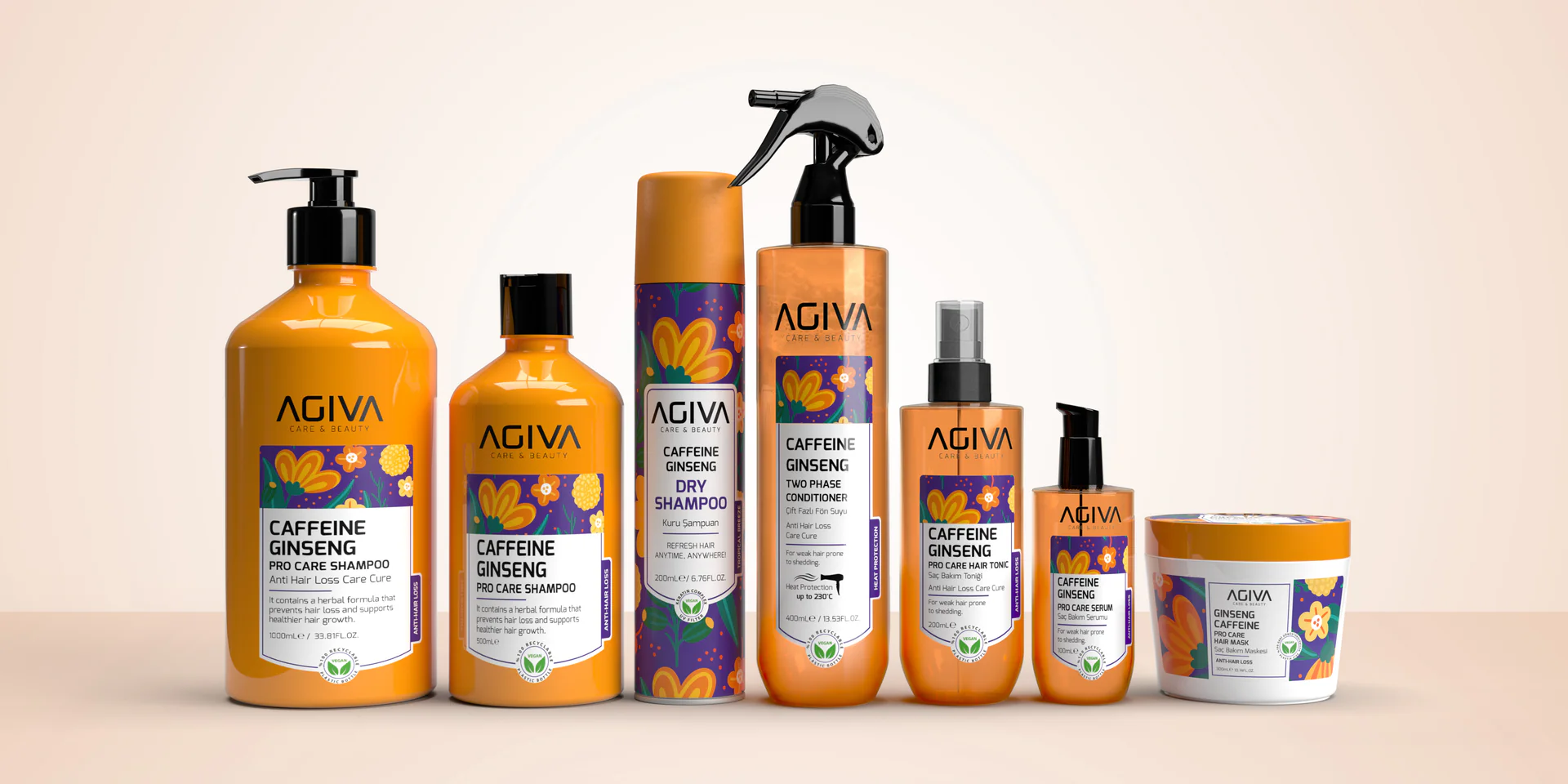
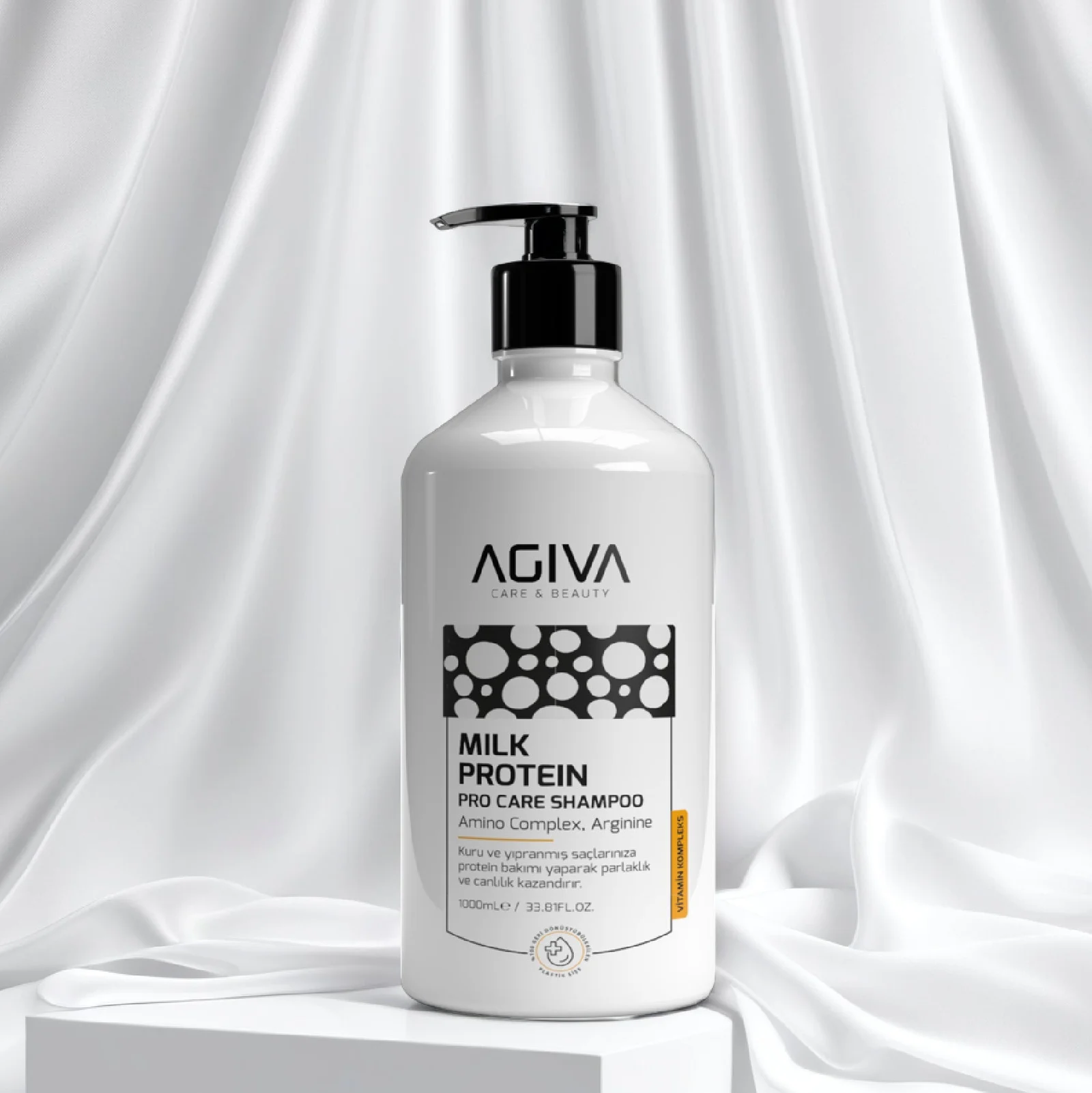
Best Overall Daily Shampoo — Caffeine Ginseng Pro Care Shampoo Built around the same two research-backed actives covered above, this is the shampoo to reach for as your everyday wash if hair fall or thinning is your main concern. Available in 500ml for ₨2,695 or 1000ml for ₨4,950, the larger size works out cheaper per wash for daily users.
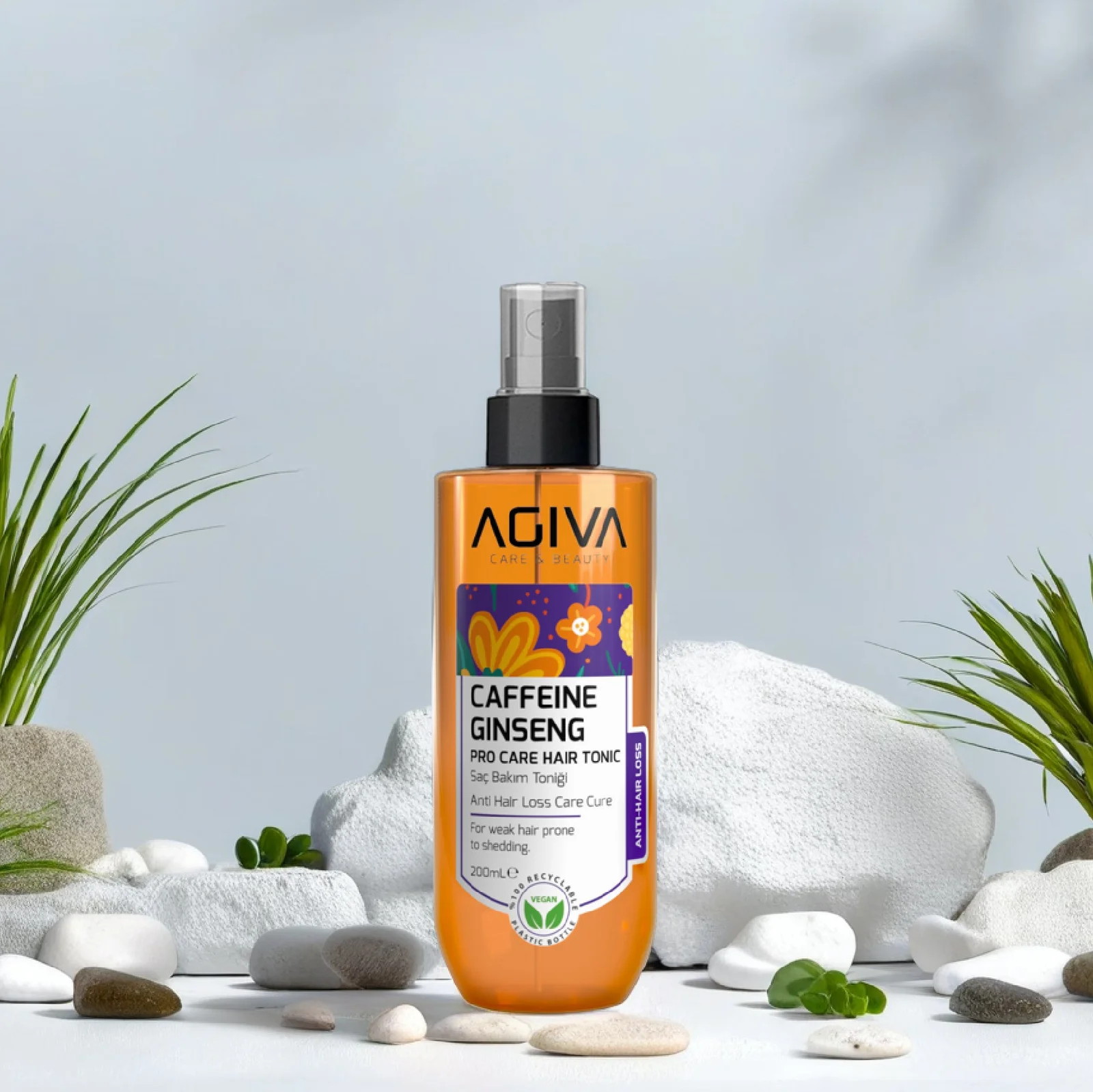
Best Scalp Treatment — Caffeine Ginseng Pro Care Hair Tonic (₨2,145, 200ml) Shampoo rinses off within minutes; a tonic stays on the scalp. Applied directly and left in, it gives caffeine and ginseng far more contact time with the follicle than a shampoo ever could, making it the more targeted option for anyone serious about the scalp side of the equation.
Best Natural, Traditional Option — Rosemary Clove Anti Hair Loss Hair Tonic (₨2,145, 200ml) and Rosemary Clove Pro Care Hair Oil (₨2,744.50, 100ml) Rosemary has a long history in hair care and continues to draw research interest as a scalp-supporting botanical. The oil works best as a pre-wash treatment — massaged in and left for 30 minutes to overnight, then washed out — while the tonic is a leave-in scalp treatment for daily use.
Best for Busy Schedules — Caffeine Ginseng Pro Care Dry Shampoo (₨2,194.50, 200ml) One of the contributing factors identified in Pakistani hair-loss research is inconsistent hair care, often driven by simply not having time to wash properly. A dry shampoo that still carries the same active ingredients means a rushed morning doesn’t have to mean skipping scalp care entirely.
Beyond Shampoo: Building a Complete Routine
Shampoo alone isn’t the full answer, mainly because it’s rinsed off within a minute or two — nowhere near enough contact time for active ingredients to do much at the follicle level. A more complete routine looks like:
- Shampoo with active ingredients, used daily or near-daily, to reinforce the same actives at every wash.
- A leave-in scalp tonic, applied after washing or on non-wash days, giving caffeine, ginseng, or rosemary far more time on the scalp than any rinse-off product allows.
- A pre-wash oil treatment, two to three times a week, to support scalp circulation before shampooing.
This mirrors a distinction we’ve covered in more depth in our guide on finding a genuine hair growth product: a leave-in scalp product does meaningfully more for follicle-level support than a rinse-off shampoo used alone. For the full sequencing of a routine like this, see our guide to the right order to apply hair products.
Comparing the Picks Side by Side
| Product | Format | Best For | Price |
|---|---|---|---|
| Caffeine Ginseng Pro Care Shampoo | Daily rinse-off | Everyday base of the routine | ₨2,695 (500ml) / ₨4,950 (1000ml) |
| Caffeine Ginseng Pro Care Hair Tonic | Leave-in scalp treatment | Targeted follicle-level support | ₨2,145 (200ml) |
| Rosemary Clove Anti Hair Loss Hair Tonic | Leave-in scalp treatment | Natural/botanical alternative | ₨2,145 (200ml) |
| Rosemary Clove Pro Care Hair Oil | Pre-wash treatment | Scalp circulation support | ₨2,744.50 (100ml) |
| Caffeine Ginseng Pro Care Dry Shampoo | Waterless refresh | Busy schedules, between washes | ₨2,194.50 (2 |
When to See a Dermatologist
Cosmetic products like the ones covered here genuinely support scalp health and can help slow the everyday factors contributing to shedding. They aren’t a substitute for medical evaluation when hair loss is significant or progressing quickly.
It’s worth seeing a dermatologist if you notice sudden or patchy hair loss rather than a gradual pattern, if shedding is accompanied by scalp pain, redness, or scaling, or if over-the-counter products haven’t made a noticeable difference after several months of consistent use. A dermatologist can properly diagnose the cause and, where appropriate, discuss medical treatment options such as minoxidil or finasteride — both of which work through different mechanisms than cosmetic scalp care and require professional guidance to use safely.
Common Mistakes Men Make When Fighting Hair Fall
- Switching products every few weeks. Hair growth cycles run in months, not days — constant switching never gives any single product a fair test.
- Only using shampoo and skipping a leave-in tonic. Shampoo’s brief contact time limits how much an active ingredient can actually do at the follicle.
- Ignoring stress and diet entirely. Pakistani research specifically flags both as measurable contributing factors, not just background noise.
- Waiting until hair loss is advanced to start a routine. Earlier, consistent action generally produces better outcomes than starting after significant thinning has already occurred.
- Expecting a shampoo alone to reverse established pattern hair loss. Cosmetic products support the scalp environment; they don’t replace medical treatment for diagnosed androgenetic alopecia.
Expert Tips for Better Results
- Commit to at least 8 to 12 weeks before judging whether a product or routine is working, matching the pace of the natural hair growth cycle.
- Apply tonic to a clean, dry or slightly damp scalp, massaging gently rather than just spraying and leaving it.
- Pair your routine with the basics — adequate protein intake, reasonable sleep, and stress management all show up in the research as genuinely relevant factors.
- Don’t wait for a crisis point to start. Beginning a routine at the first signs of thinning is easier than trying to reverse significant loss later.
- Track progress with photos, not memory. Gradual change is easy to miss day to day but obvious across a few months of photos taken in the same lighting.
FAQs
1. What is the best anti hair fall shampoo for men in Pakistan?
A shampoo built around research-supported actives like caffeine and ginseng, such as Agiva’s Caffeine Ginseng Pro Care Shampoo, is a strong daily foundation. That said, shampoo alone has limited contact time with the scalp, so pairing it with a leave-in tonic gives the same active ingredients meaningfully more time to actually work.
2. Does caffeine shampoo really help with hair fall in men?
The research is genuinely promising, though not conclusive. A 2025 systematic review in the journal Healthcare found that all nine clinical trials reviewed favored topical caffeine treatment for androgenetic alopecia, though the certainty of evidence in several trials was rated low to very low. It’s a reasonable, well-studied ingredient to look for, not a guaranteed fix.
3. How is hair fall in men different from hair fall in women?
Male hair fall is most commonly driven by androgenetic alopecia, a DHT-mediated process following a recognizable pattern of temple recession and crown thinning. While women can also experience pattern hair loss, the hormonal mechanisms and typical thinning patterns differ, which is part of why male-focused formulas often emphasize DHT-related scalp support specifically.
4. Should I use a shampoo or a hair tonic for hair fall?
Ideally both, for different reasons. Shampoo cleanses and delivers active ingredients briefly with every wash, while a leave-in tonic stays on the scalp far longer, giving ingredients like caffeine and ginseng significantly more contact time with the follicle. Relying on shampoo alone limits how much any active ingredient can realistically achieve.
5. How long before I see results from an anti hair fall shampoo?
Most people should expect at least 8 to 12 weeks of consistent daily use before judging results, since hair growth cycles are naturally slow. Switching products before that window has passed is one of the most common reasons people conclude a routine “isn’t working” when it simply hasn’t had enough time.
6. When should a man see a dermatologist about hair fall instead of just using shampoo?
If hair loss is sudden, patchy, or accompanied by scalp pain, redness, or scaling, or if a consistent cosmetic routine shows no improvement after several months, it’s time for a dermatologist’s evaluation. A professional can diagnose the specific cause and discuss medical options like minoxidil or finasteride if appropriate.