

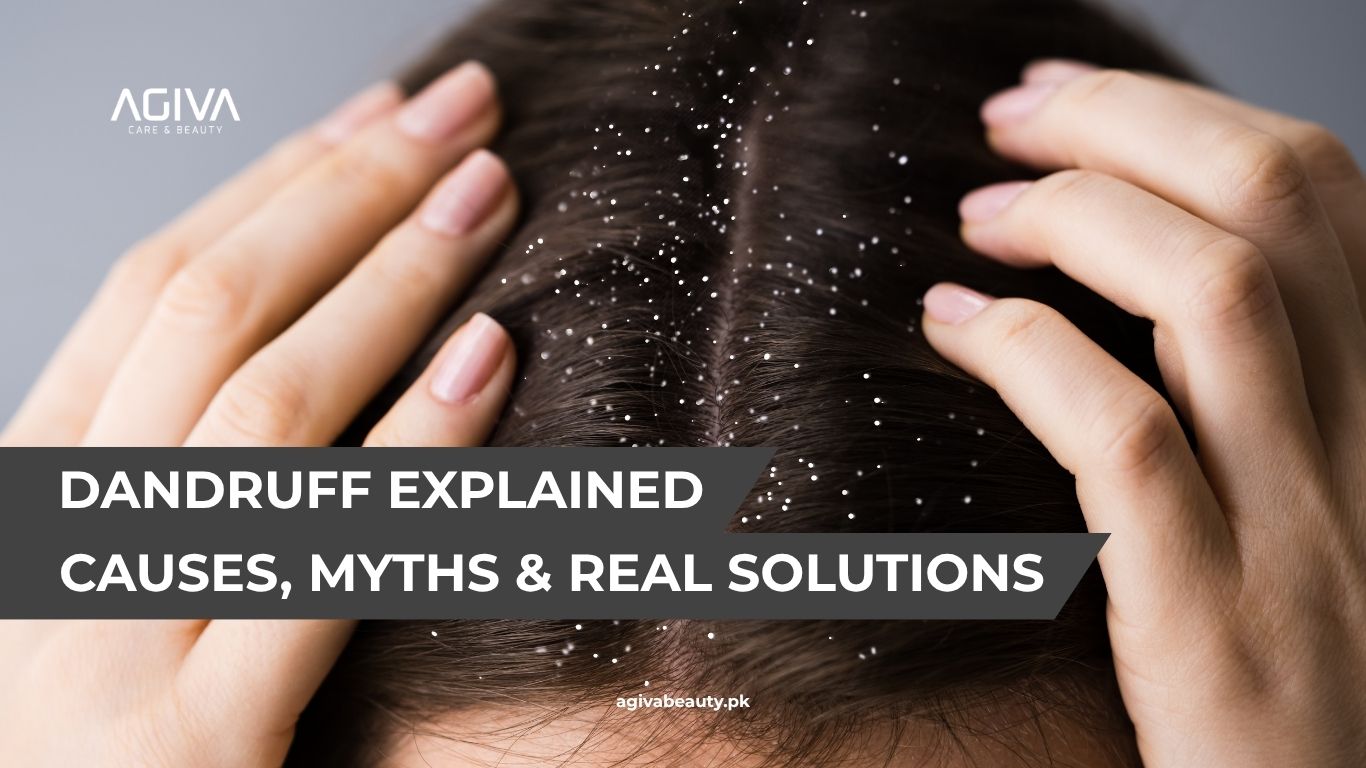
Flakes on your shoulder mid-meeting. An itch you can’t scratch discreetly in public. A scalp that feels tight, oily, or both on the same day. If any of that sounds familiar, you’re far from alone — dandruff is one of the most common scalp complaints in the country, and finding a dandruff treatment in Pakistan that actually works starts with understanding why it’s happening in the first place, not just grabbing whichever bottle promises “flake-free hair” the loudest.
This guide walks through the real causes behind dandruff, why Pakistan’s water and climate make it worse for so many people, how to tell dry-scalp flaking apart from oily-scalp dandruff, and what a realistic, sustainable routine looks like — including when a shampoo genuinely helps and when it’s time to see a dermatologist instead.
Table of Contents
- Why Dandruff Is So Common in Pakistan
- What Causes Dandruff, Really?
- Dandruff Treatment in Pakistan: What Actually Works
- Routine for Dry, Flaky Scalps
- Routine for Oily, Itchy Scalps
- Where Hair Oil Fits Into a Dandruff Routine
- Dry Scalp vs. Oily Scalp Dandruff — Quick Comparison
- How to Build a Weekly Anti-Dandruff Routine
- Common Mistakes That Make Dandruff Worse
- Expert Tips for Long-Term Scalp Health
- When to See a Dermatologist
- FAQs
- Final Verdict
Why Dandruff Is So Common in Pakistan
Dandruff isn’t rare, and it isn’t a hygiene failure — but it does show up more often, and more stubbornly, in certain conditions. Pakistan happens to combine several of them at once.
A cross-sectional study of 353 adults in Karachi, published in the Journal of Health and Rehabilitation Research, found that dandruff was reported by roughly one in five participants, alongside a much higher rate of general hair fall. The same research pointed to stress, inconsistent hair care habits, and diet as the leading contributing factors — genetics played a role too, but a smaller one than most people assume. A separate survey published in the Journal of Pakistan Association of Dermatologists, covering nearly 400 adults, found that more than half reported daily hair fall, with dandruff flagged as one of the statistically significant risk factors involved.
Layer on top of that the everyday realities of living here:
- Hard water in cities like Karachi, Lahore, and Islamabad leaves mineral deposits on the scalp that can dry it out and encourage flaking.
- High humidity for much of the year creates a warm, damp scalp environment — exactly the kind of conditions certain yeasts and bacteria thrive in.
- Dust and pollution, especially in major urban centers, settle into hair and can irritate an already sensitive scalp.
- Stress and diet, as the research above confirms, are measurable contributing factors, not just anecdotal ones.
None of this means dandruff is inevitable. It just means a one-size-fits-all shampoo swap often isn’t enough on its own.
What Causes Dandruff, Really?
Here’s something worth clearing up first: dandruff has nothing to do with being “unclean.” According to the American Academy of Dermatology, it’s a common misconception that dandruff comes from poor hygiene — the real causes range from oily skin and hair care habits to underlying medical conditions.
In practice, dandruff usually falls into one of a few categories:
- Seborrheic dermatitis, linked to an overgrowth of a yeast called Malassezia that naturally lives on the scalp. When it multiplies too much, it can trigger irritation, oiliness, and visible flaking.
- Dry scalp dandruff, where flakes are small, dry, and often accompanied by tightness — more common in scalps that lack moisture, whether from harsh shampoos, hard water, or cold, dry weather.
- Product buildup and hard water dandruff, where mineral deposits, styling residue, or infrequent washing create a coating on the scalp that flakes off and can trap oil underneath.
- Other skin conditions, including psoriasis, contact dermatitis (a reaction to a hair product or dye), or, less commonly, a fungal infection — all of which can look like ordinary dandruff but need a different kind of care.
Knowing which of these fits your situation changes everything about what you should actually be doing about it.
Dandruff Treatment in Pakistan: What Actually Works
There isn’t a single fix that works identically for every scalp, and that’s really the core issue with most generic advice. What genuinely helps depends heavily on whether your dandruff leans dry, oily, or is being aggravated by external factors like hard water and product buildup.
Choosing the Right Dandruff Treatment in Pakistan for Your Scalp Type
Before reaching for any product, it helps to figure out which category you’re actually dealing with:
- If your scalp feels tight, dry, or itchy, with small white flakes and lengths that also feel dry or brittle, you’re likely dealing with dryness-driven flaking rather than an oil-related issue.
- If your scalp feels oily by the next day, with flakes that look slightly yellow or greasy and cling to the hair rather than falling freely, oil regulation matters more than added moisture.
- If you’re noticing flaking mainly after switching water sources, traveling, or during peak humidity months, hard water or environmental buildup could be the bigger driver.
- If flaking comes with redness, thick scaling, or spreads beyond the scalp, that’s a signal to loop in a dermatologist rather than rely on cosmetic products alone.
The next two sections break down a sensible routine for each of the two most common scenarios.
Routine for Dry, Flaky Scalps
Dry scalp dandruff responds best to gentle cleansing paired with real hydration — not stripping the scalp further with harsh, high-foam shampoos, which can actually make flaking worse over time.
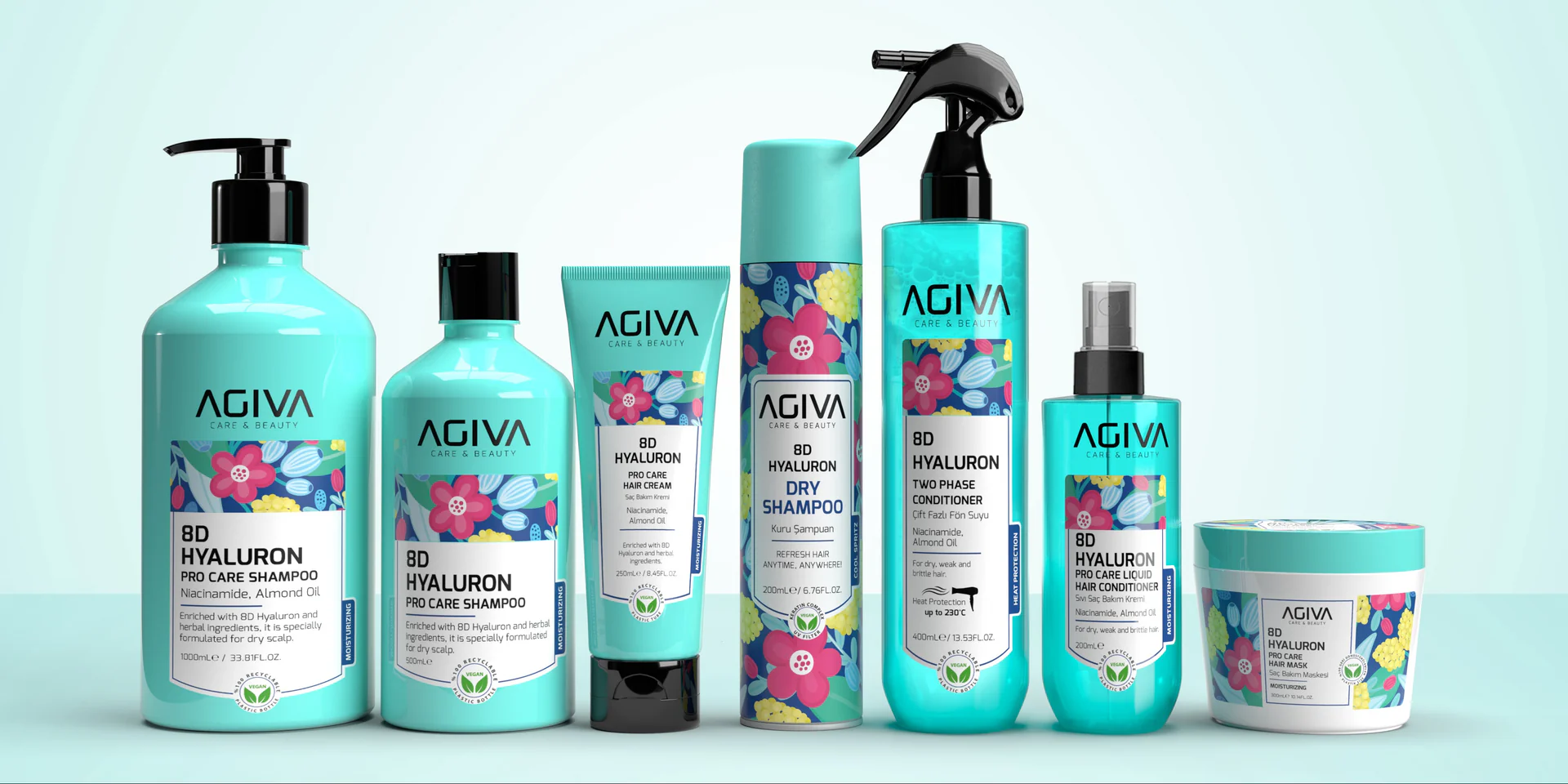
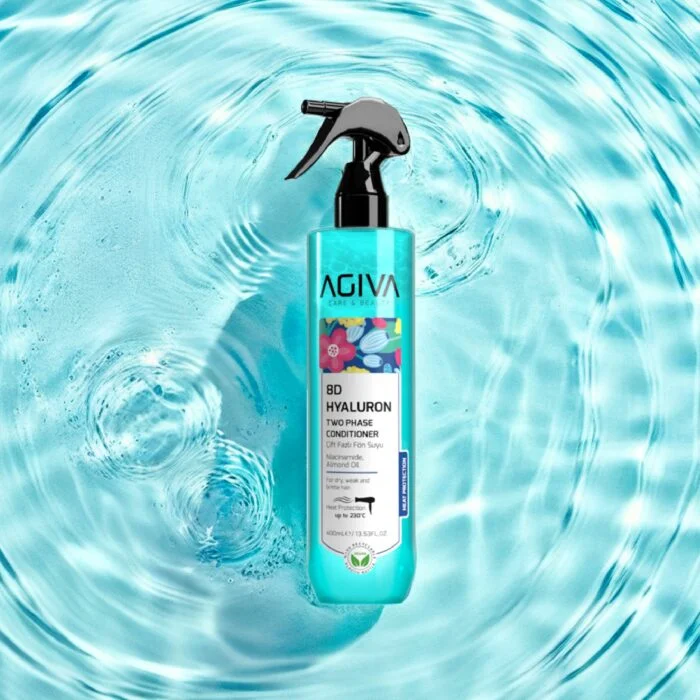
A hydration-focused formula like the Agiva 8D Hyaluron Pro Care Shampoo is built around exactly this kind of scalp support. Because it’s designed to restore moisture balance rather than just clean and move on, it’s a sensible everyday shampoo for anyone whose flaking is tied to dryness rather than excess oil. On days when a full wash isn’t practical — which, let’s be honest, is most busy weekdays — the Agiva 8D Hyaluron Pro Care Dry Shampoo offers a lighter way to refresh the scalp without compounding dryness the way older, chalkier dry shampoo formulas tend to.
The general approach here: wash a little less aggressively, prioritize hydration over stripping, and give the scalp time to rebalance rather than switching products every time flaking doesn’t disappear overnight. Read our guide to the best shampoo for hair loss in Pakistan
Routine for Oily, Itchy Scalps
Oily-scalp dandruff is a different problem entirely, and it usually needs oil regulation rather than added moisture. Excess sebum creates the exact environment where flaking, itching, and that “second-day greasy” feeling tend to show up together.
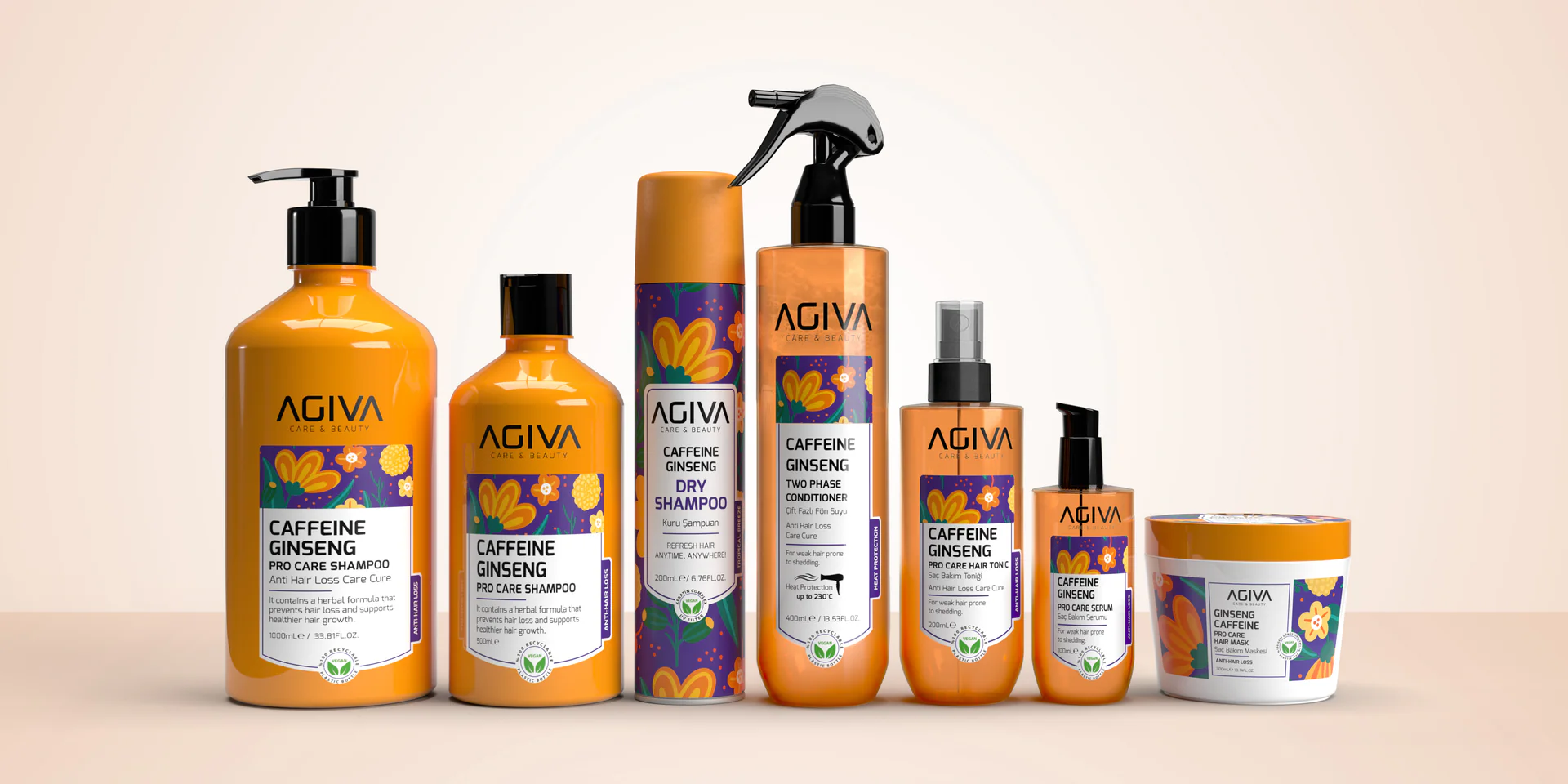
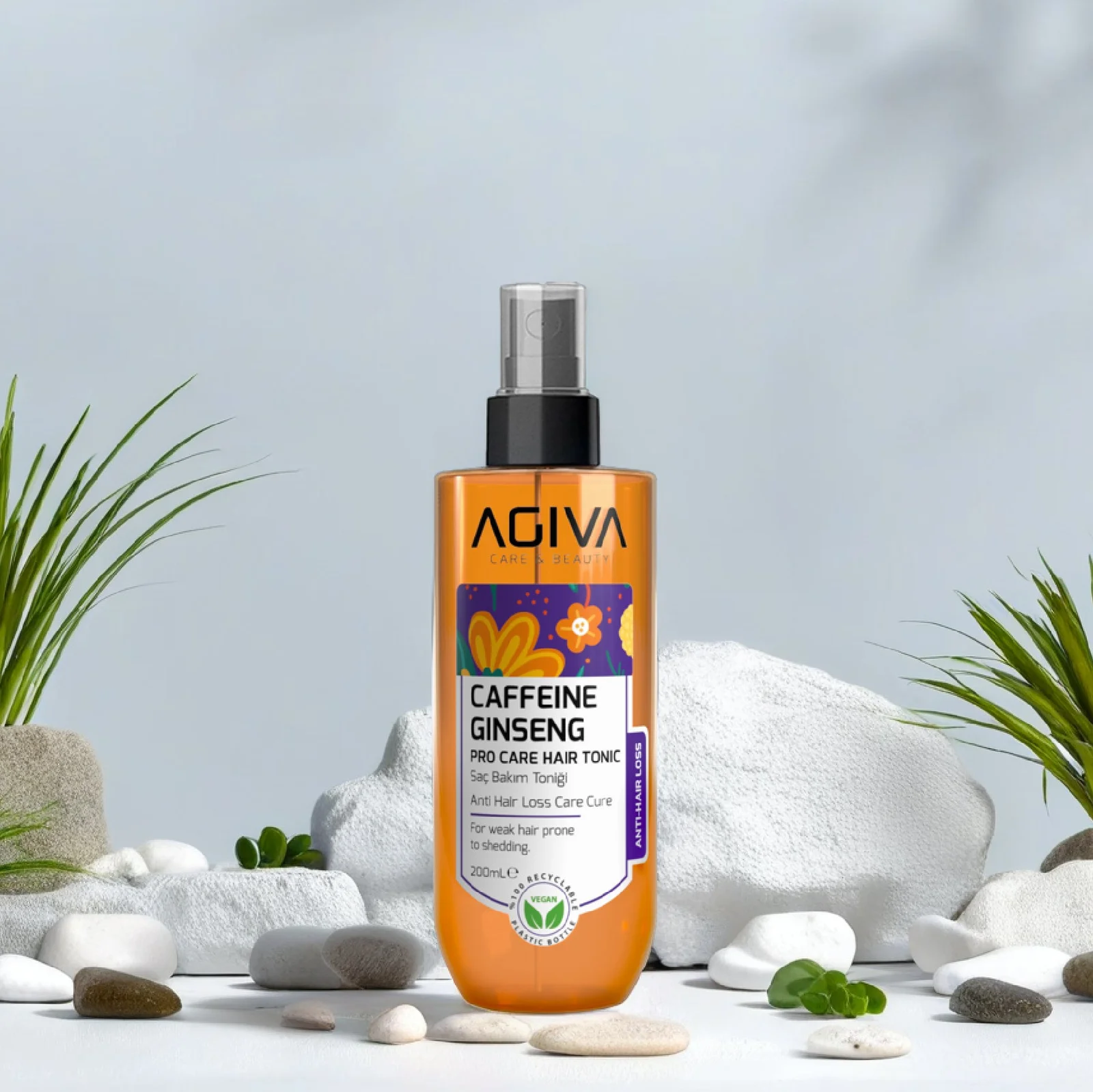
The Agiva Caffeine Ginseng Pro Care Shampoo is formulated with this scalp type in mind — caffeine and ginseng extract are commonly used in scalp-focused formulas for their role in supporting a fresher, less oily-feeling scalp with regular use. For days when roots go oily fast but a full wash isn’t possible, the Agiva Caffeine Ginseng Pro Care Dry Shampoo helps absorb excess oil at the roots, which can reduce the greasy buildup that often makes oily-scalp flaking look worse than it is.
Worth noting honestly: oil-regulating shampoos help manage the environment that makes flaking worse, but they aren’t medicated antifungal treatments. If oiliness and flaking persist despite a consistent routine, that’s a sign to combine this approach with the dermatologist guidance further down this guide.
Where Hair Oil Fits Into a Dandruff Routine
Oiling gets a mixed reputation in dandruff conversations — done wrong, heavy oiling can actually feed oily-scalp flaking. Done right, as a pre-wash scalp treatment rather than a leave-in product, it’s a different story.
The Agiva Rosemary Clove Pro Care Hair Oil is best used as a scalp massage treatment about 30–60 minutes before shampooing, not as an all-day product left sitting under a scarf or cap. Massaging oil into the scalp supports circulation and can help loosen dry, flaky buildup before it’s washed away — which is a meaningfully different use case than saturating the scalp with oil and leaving it there for hours, a habit that tends to backfire for anyone dealing with oily-scalp dandruff specifically.
Dry Scalp vs. Oily Scalp Dandruff — Quick Comparison
| Feature | Dry Scalp Dandruff | Oily Scalp Dandruff |
| Flake appearance | Small, white, dry | Larger, yellowish, greasy-looking |
| Scalp feel | Tight, itchy, sometimes flaky at the hairline | Oily by day two, itchy at the roots |
| Common triggers | Hard water, cold weather, harsh shampoo, over-washing | Excess sebum, humidity, infrequent washing, product buildup |
| Shampoo approach | Gentle, hydrating formula | Oil-regulating, lightweight formula |
| Suggested Agiva product | 8D Hyaluron Shampoo / Dry Shampoo | Caffeine Ginseng Shampoo / Dry Shampoo |
| Oiling approach | Can help if lightweight and not overused | Best as a short pre-wash treatment only |
How to Build a Weekly Anti-Dandruff Routine
Consistency beats intensity here — a realistic weekly rhythm works better than an aggressive routine you abandon after two weeks.
| Step | What to Do |
| 1. Identify your type | Use the dry vs. oily comparison above to confirm which pattern fits your scalp |
| 2. Choose your shampoo | Hydrating formula for dry scalps, oil-regulating formula for oily scalps |
| 3. Wash on a realistic schedule | Oily scalps often need more frequent washing; dry scalps need less, gentler washing |
| 4. Add a pre-wash oil treatment | Once or twice weekly, massage in hair oil 30–60 minutes before shampooing |
| 5. Use dry shampoo between washes, not instead of them | Reserve it for genuinely busy days, not as a daily substitute for cleansing |
| 6. Reassess after 3–4 weeks | Give any routine change a few weeks before deciding whether it’s working |
Common Mistakes That Make Dandruff Worse
- Washing with very hot water. It strips natural oils and can aggravate both dry and oily scalp types.
- Over-oiling an already oily scalp. Heavy, all-day oiling on an oily scalp tends to feed the exact problem it’s meant to fix.
- Switching products every few days. Most formulas need a few weeks of consistent use before you can fairly judge whether they’re helping.
- Scratching instead of massaging. Scratching can break the skin and worsen inflammation — gentle fingertip massage is the better habit to build.
- Ignoring persistent, severe flaking. Treating ongoing redness or thick scaling as “just dandruff” for months without professional input can delay proper treatment.
Expert Tips for Long-Term Scalp Health
- Match your wash frequency to your scalp type, not a generic every-other-day rule — oily scalps typically need more frequent washing, dry scalps less.
- Introduce one new product at a time so you can actually tell what’s helping and what isn’t.
- Keep a simple diet in check. The Pakistani studies referenced earlier link diet quality to hair and scalp health outcomes, so this isn’t just a throwaway wellness tip.
- Manage stress where you can. Stress showed up as the single largest contributing factor in Pakistani research on hair and scalp complaints — it’s worth taking seriously, not dismissing.
- Protect your scalp from direct sun exposure, particularly if you’re using any scalp treatment that can increase sun sensitivity.
When to See a Dermatologist
Cosmetic products, including everything discussed in this guide, are genuinely useful for mild, environmental, or lifestyle-driven flaking. They are not a substitute for medical care when dandruff points to something more specific.
It’s worth booking a dermatologist visit if you notice:
- Thick, silvery, or well-defined scaling (a possible sign of psoriasis rather than ordinary dandruff)
- Significant redness, swelling, or pain on the scalp
- Flaking that spreads to the eyebrows, sides of the nose, or beard area
- Patchy hair loss alongside the flaking
- No improvement after several weeks of a consistent, appropriate routine
A dermatologist can properly diagnose what’s actually happening and, if needed, prescribe a medicated shampoo or treatment that goes beyond what any cosmetic product is designed to do.
FAQs
1. What is the best dandruff treatment in Pakistan for hard water areas?
For hard water–related flaking, the priority is a gentle, hydrating shampoo that doesn’t strip the scalp further, paired with thorough rinsing to reduce mineral buildup. A hydration-focused formula like Agiva’s 8D Hyaluron Pro Care Shampoo suits this scenario well, since it’s built to restore moisture balance rather than add to the dryness hard water already causes.
2. Is dandruff caused by not washing my hair enough?
Not directly. According to the American Academy of Dermatology, dandruff is commonly mistaken for a hygiene issue, but the real causes range from oily skin and scalp conditions to hair care habits and, in some cases, underlying medical conditions. Infrequent washing can make existing flakes more visible, but it isn’t usually the root cause.
3. What’s the difference between dry scalp dandruff and oily scalp dandruff?
Dry scalp dandruff typically shows up as small, white, dry flakes with a tight or itchy scalp feeling, often worsened by hard water or harsh shampoos. Oily scalp dandruff tends to produce larger, yellowish, greasy-looking flakes that cling to the hair, usually alongside a scalp that feels oily well before the next wash.
4. Can an anti dandruff shampoo Pakistan routine include hair oil?
Yes, but timing matters. Hair oil works best as a pre-wash scalp treatment, massaged in roughly 30 to 60 minutes before shampooing, rather than left on all day. Used this way, oiling can support scalp circulation and help loosen buildup, without feeding oily-scalp flaking the way all-day oiling often does.
5. How long does it take to see results from a new dandruff routine?
Most people need three to four consistent weeks before fairly judging whether a routine change is working. Switching shampoos every few days doesn’t give any formula enough time to actually rebalance the scalp, so patience matters more than most people expect.
6. When should I stop trying home treatments and see a dermatologist?
If flaking comes with significant redness, thick or silvery scaling, spreading beyond the scalp, or patchy hair loss, it’s time to consult a dermatologist rather than continuing to experiment with shampoos alone. The same applies if a consistent, appropriate routine hasn’t improved things after several weeks.
Final Verdict
There’s no single bottle that solves every case of dandruff, and anyone promising otherwise is oversimplifying a genuinely common, well-studied scalp condition. Real dandruff treatment in Pakistan starts with figuring out whether you’re dealing with dryness, excess oil, hard water buildup, or something that needs a dermatologist’s input — and then matching your routine to that answer instead of guessing.
For everyday, environmentally-driven flaking, a scalp-appropriate shampoo routine, sensible washing frequency, and an occasional pre-wash oil treatment go a long way. For anything more persistent, professional care is the right next step, not a fourth shampoo swap.
Ready to build a routine that actually matches your scalp? Explore Agiva’s full Hair Shampoo range at agivabeauty.pk and find the formula suited to how your scalp actually behaves, not just what’s on sale this week.